The merch-to-minute ratio
In 2022, an independent wrestler with zero national television exposure became the top merchandise earner on Pro Wrestling Tees. He beat CM Punk. He beat the entire Bullet Club. He did it without wrestling a single main event.
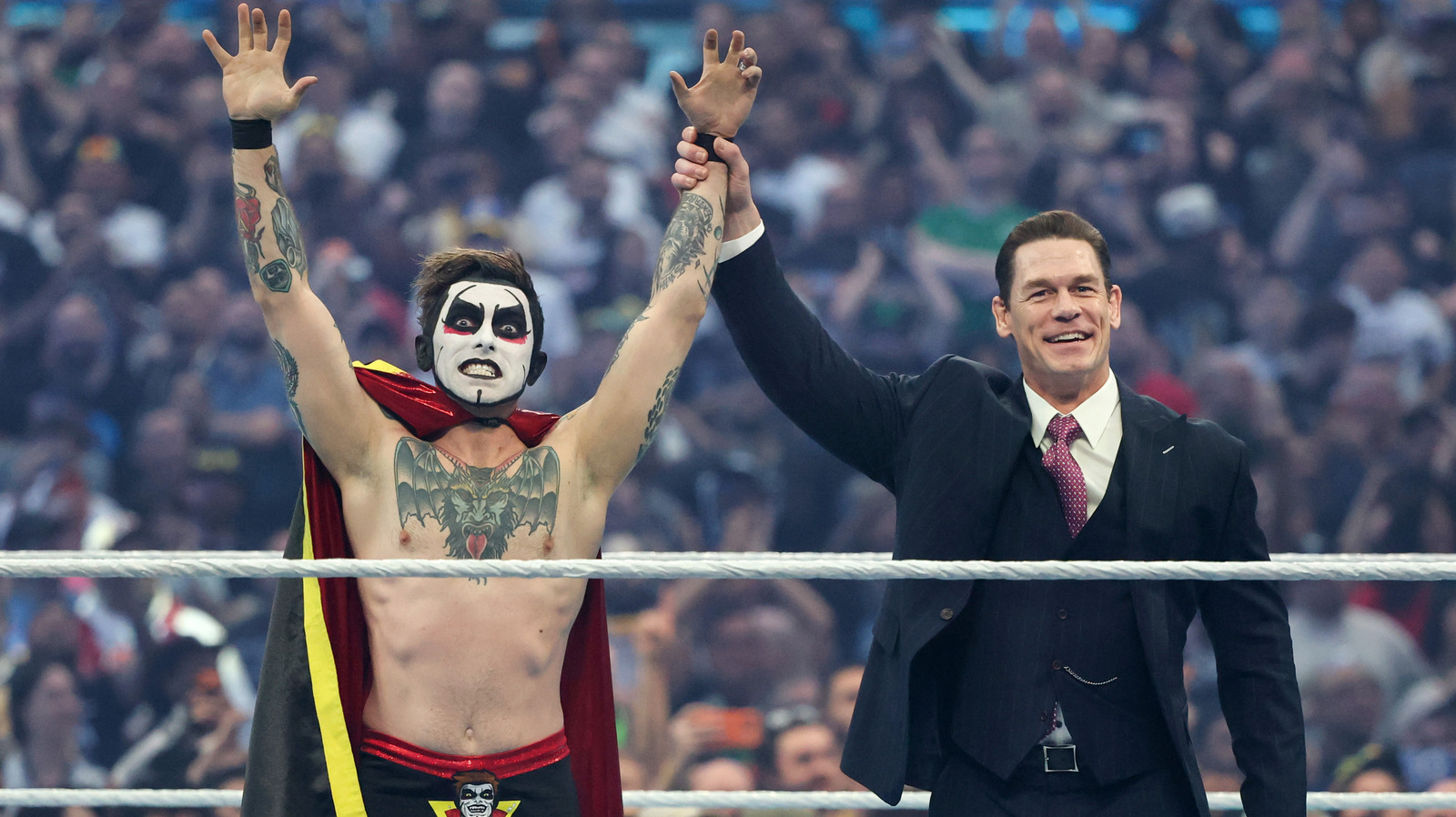
Now, the endgame of that strategy is officially here. A brief report from WrestlingNews.co confirmed the shift this week. Adventure Media has signed the current WWE star for expansion across film, television, digital, and publishing.
The announcement is brief, but the financial implications for the industry are massive. Adventure Media isn't signing a grappler. They are signing a licensing vehicle.
The agency commission problem
Wrestling traditionally operates on a restrictive intellectual property model. WWE historically demands absolute control over a performer's external revenue streams. We saw the Twitch bans in late 2020. We watched the crackdown on third-party sponsorships.
For a talent to secure external representation for publishing and film while under the WWE umbrella is a tactical anomaly. It suggests massive negotiating power.
If you look at standard Hollywood agency commissions, firms like Adventure Media typically take 10 to 15 percent of gross earnings. For them to dedicate resources to a wrestling character, the projected floor for his digital returns must be deep into the seven figures.
The publishing cash grab
Look at the publishing vertical alone. Independent comic publishers operate on tight margins. A successful creator-owned property moving 15,000 physical copies a month is highly profitable.
Danhausen's core audience easily clears that threshold. More importantly, comic books act as cheap storyboards.
A successful six-issue run is immediately packaged by the agency and sold to a streaming service as an animated pilot. The comic book pays for the television pitch.
Bypassing the bump card
Then there is the physical reality of the performer. Hollywood hates insuring professional wrestlers. The physical toll of the industry makes them massive liabilities on a film set.
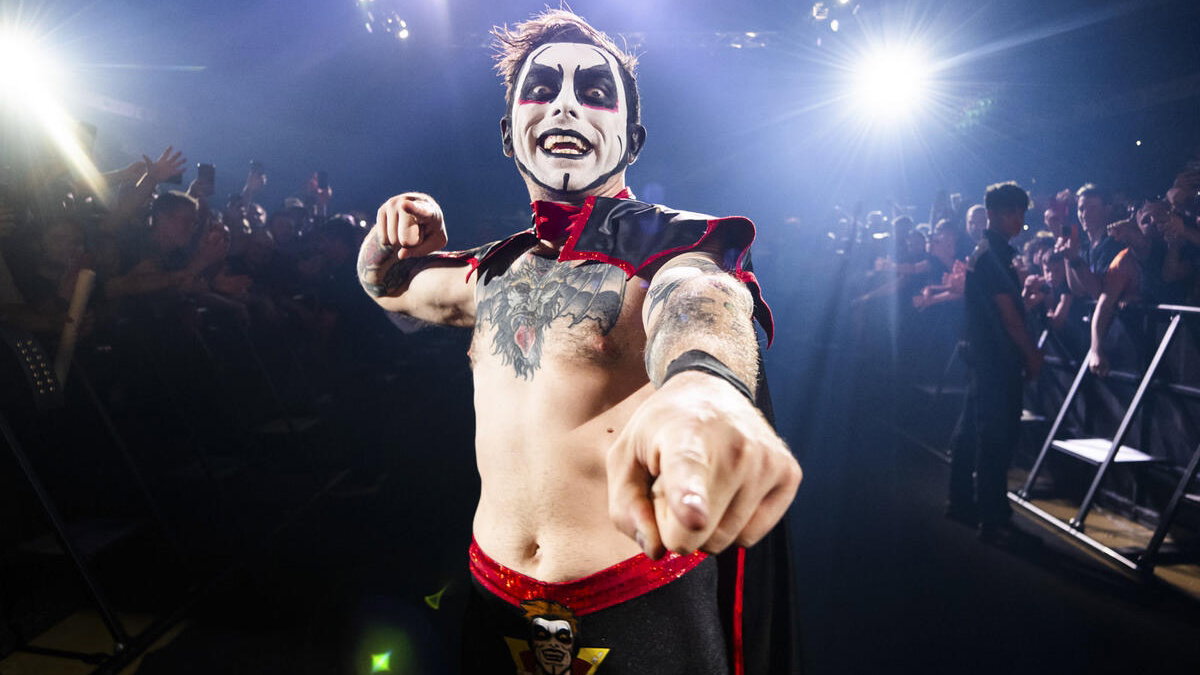
Danhausen bypasses this completely. He operates on a hyper-efficient energy output, averaging less than six minutes of actual in-ring action per month.
He doesn't take top-rope bumps. He doesn't risk his neck on the apron. Adventure Media is signing a perfectly healthy asset.
Consider the wear and tear on a standard main event talent. Cody Rhodes or Seth Rollins work 20-minute main events on television, plus an aggressive live event schedule.
They take hundreds of bumps a month to maintain their position at the top of the merchandise charts. The physical cost of that revenue is astronomical. Danhausen generates comparable engagement metrics by simply pointing a finger and cursing an opponent.
Beating the algorithm
Digital expansion offers the cleanest revenue stream. Wrestling content on YouTube traditionally fights against poor advertiser categorization. It often yields a standard CPM between $3 and $5.
But character-driven, mildly subversive comedy escapes the violent sports penalty. Danhausen's digital footprint can push his CPM into the $7 to $9 range. He is an algorithm-friendly aesthetic masked as a wrestler.
The failure of the traditional promoter
This exposes a glaring flaw in WWE's current corporate model. For two decades, WWE demanded absolute control over talent intellectual property.
They wanted the publishing rights. They wanted the film revenue. Now, they are letting an outside firm take the wheel. Why? Because WWE Studios proved entirely incapable of building profitable niche franchises.
They understand how to sell John Cena to the masses. They have zero idea how to monetize a bizarre, painted cult figure across print media.
By allowing this signing, WWE is outsourcing the monetization of their own television character. It is a massive concession.
They are yielding the publishing and digital rights because they know an external agency can optimize the character better than Stamford can. It is a smart financial move, but a damning indictment of WWE's internal media machine.
A commercial for a comic book
This shifts the economic baseline for character workers. You do not need to main event a premium live event to generate main event revenue.
When Matt Cardona launched his YouTube series in 2011, he proved digital engagement could force television time. Danhausen inverted the formula.
He uses his television time to drive traffic back to his digital properties. He essentially treats national wrestling broadcasts as a loss-leader for his own merchandise.
For the in-ring purist, this is frustrating. It reduces the actual wrestling match to a commercial for a comic book. But tactically, it is the most efficient business model in the industry.