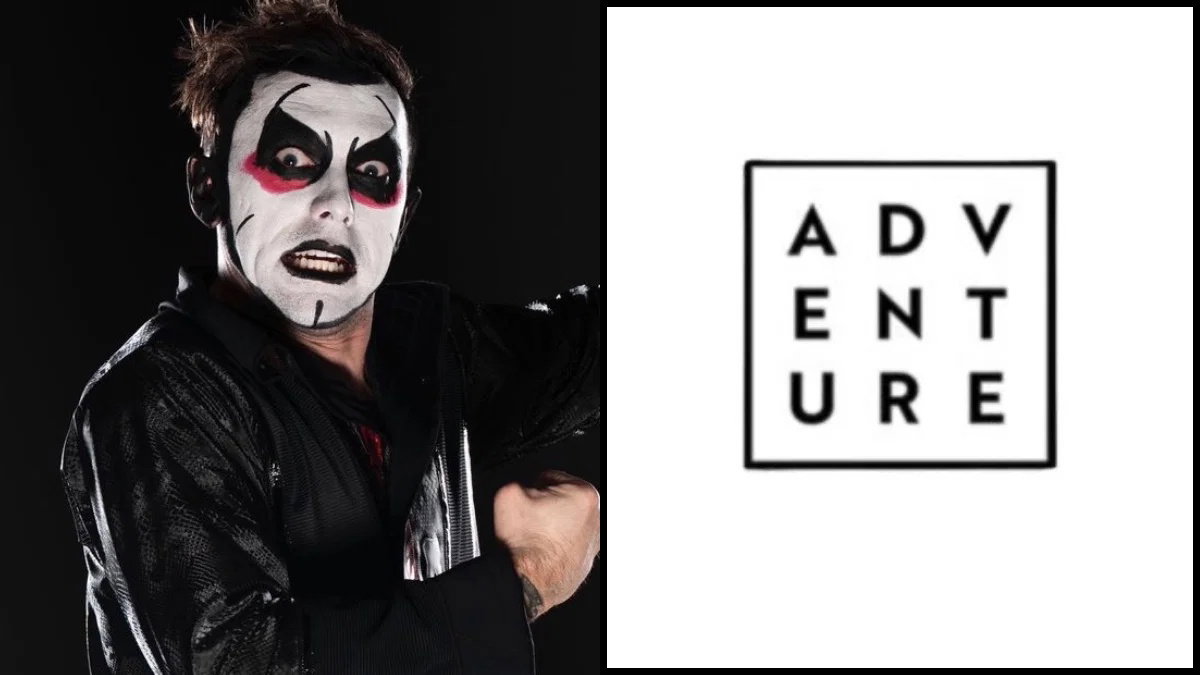
Danhausen securing his curse is a masterclass in wrestling economics
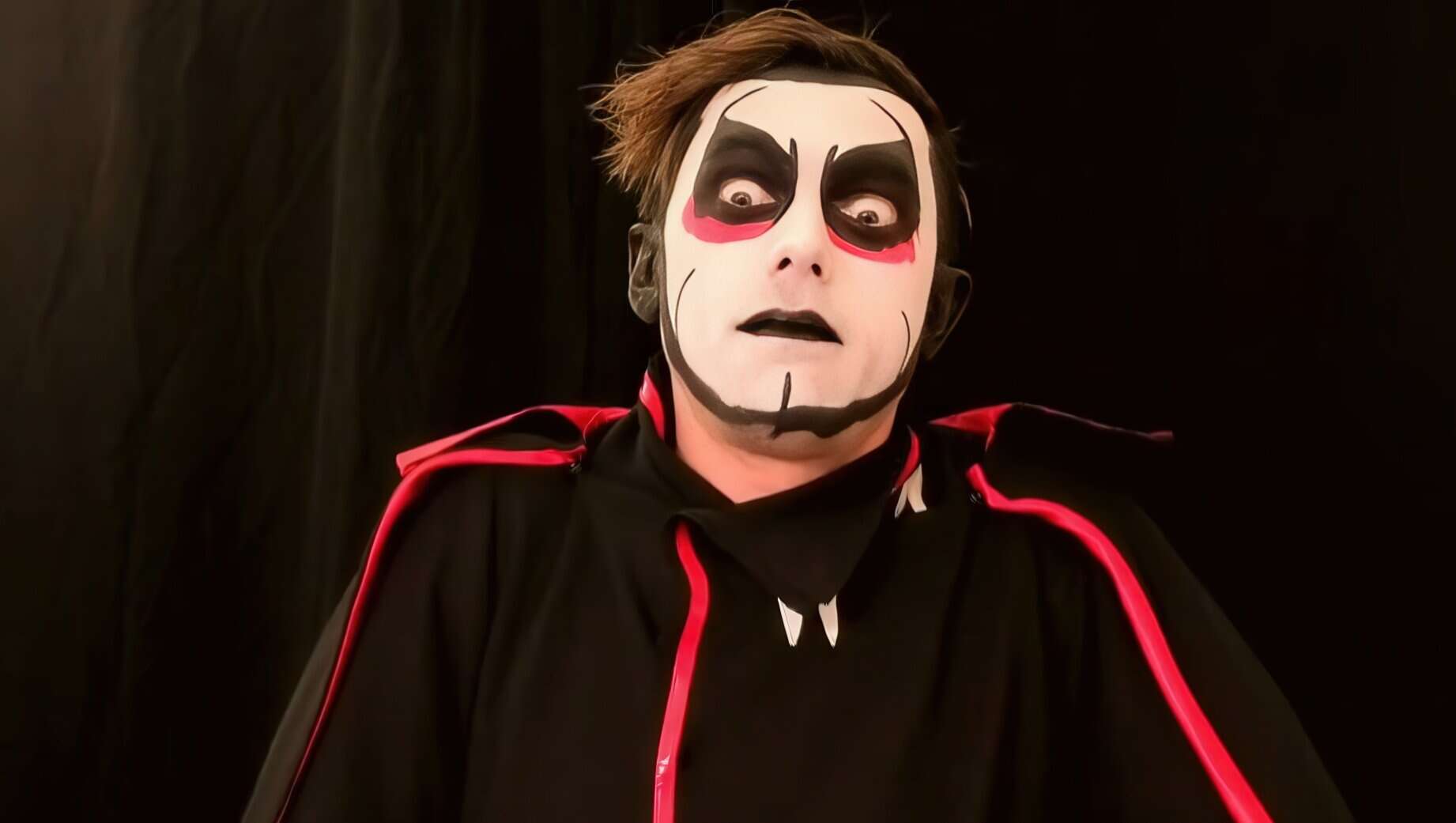
The Business of Demonic Inconvenience
The modern professional wrestler is fundamentally a small business owner navigating a brutal corporate machine. The bumps, the bruises, the torn ligaments, and the fleeting television appearances are simply the marketing department for a sprawling, self-directed merchandising machine. We saw another essential piece of that corporate puzzle fall into place this week on the legal front. According to a brief report from WrestlingNews.co, the enigmatic performer known as Danhausen has officially filed a federal trademark for the phrase "You Are Cursed!".
On the surface, this reads like routine, boring legal housekeeping. It seems like nothing more than a popular performer protecting a basic catchphrase that appears on thousands of cotton t-shirts sold at independent shows. But looking closer at the specific timing and the broader context of the filing reveals a much deeper, more interesting story about intellectual property in the current era of professional wrestling. It is a story about who actually owns the rights to a character's popularity.
Danhausen did not invent the concept of owning a catchphrase. He is, however, one of the most effective practitioners of the art. He built an entire character around a late-night horror host aesthetic, a jar of human teeth, and the vague threat of supernatural misfortune. Now, he is ensuring that the United States Patent and Trademark Office recognizes his absolute ownership of that misfortune.
It is a highly calculated move. In a volatile industry where television time is never guaranteed, your intellectual property is often your only real safety net.
The Evolution of Wrestling IP
Historically, the professional wrestling business was notoriously predatory when it came to character ownership and creative control. Billionaire promoters created the colorful gimmicks, owned the trademarked names, and reaped the vast majority of the merchandise revenue while the talent took all the physical damage. When a wrestler inevitably left a major territory or a national promotion for better pay, they usually had to leave their entire identity behind in the promoter's locked filing cabinet.
We all remember the messy, highly public legal battles of the past decades. The Dudley Boyz, who defined tag team wrestling for a generation, had to suddenly become Team 3D when they left Stamford for Orlando. Razor Ramon and Diesel were briefly recast with entirely different human beings playing the roles because the corporate entity owned the intellectual property, not the men who made those characters famous. The promoters held all the cards because they owned the legal paper.
The independent wrestling boom of the late 2010s fundamentally altered that dynamic. Performers realized that if they built their characters on social media and independent streams, they could retain full legal ownership. The Young Bucks built an empire by owning their branding and logos, proving that IP ownership was the ultimate bargaining chip. Matt Cardona revitalized his post-WWE career by taking total control of his presentation and meticulously trademarking every catchphrase he generated on his podcast.
Danhausen is a direct product of this independent empowerment era. He did not need a national television machine to get "You Are Cursed!" over with the audience. He did it in armories, on Twitter, and through relentless self-promotion. Securing the trademark is simply putting a lock on a house he built with his own hands.
The Mechanics of the Curse
To understand why the phrase is worth trademarking, you have to look at how it actually functions in a wrestling ring. The curse is a psychological weapon rather than a physical finishing move. It is a mid-match momentum shifter built entirely on audience participation and opponent cooperation.
When Danhausen points his finger and declares a curse, the physical impact is zero. The theatrical impact is massive. The crowd erupts. The opponent is forced to make an immediate choice. Do they ignore it and look stoic, or do they sell the absurdity of the situation?
The best opponents lean into the skid. They stumble. They look confused. They suddenly drop a weapon or miss a vital strike. The curse becomes a tangible, localized bad-luck aura. It requires a high level of comedic timing from both performers to work without breaking the fundamental reality of the match.
This is where the gimmick shines. It is interactive. A fan pointing a finger from the front row feels like they are participating in the match. That level of engagement translates directly into merchandise sales, which is exactly why the phrase needs stringent legal protection.
The Ring of Honor Incubation
Before signing his highly publicized AEW contract, Danhausen found an essential proving ground in Ring of Honor. This was a fascinating, often bizarre period of his career trajectory. ROH was globally known for serious, grueling work-rate, the strict Code of Honor, and hard-hitting athletic competition. Dropping a painted, chaotic demon who claimed to weigh "over 300 pounds" and carried a jar of human teeth into that hyper-serious environment was a massive, jarring clash of styles.
Yet, it worked brilliantly. The sharp contrast is exactly what made the character pop. When he attempted to curse a serious technician like Jonathan Gresham or a bruiser like PCO, the resulting dynamic was incredibly engaging. It provided a necessary levity to cards that were often overly self-serious.
It was during this ROH run that the merchandise machine really began to accelerate. He was not just selling shirts; he was selling coffee, comic books, and personalized video messages. He proved that his specific brand of weirdness was commercially viable on a much larger scale. When ROH went on hiatus in late 2021, he was the hottest free agent in the world, precisely because he owned his entire presentation.
A Critical Look at the AEW Tenure
While Danhausen's business acumen is undeniable, his actual usage on national television has been a glaring point of frustration. This brings us to a harsh reality about All Elite Wrestling's booking of the character. AEW has always known how to sell Danhausen merchandise, but they have rarely known how to properly book the wrestler.
When he first arrived in the promotion, the crowd reactions were deafening. He was the most popular cult figure in the industry. But the translation from internet sensation to weekly television character was severely mishandled by the creative team.
Instead of integrating him into meaningful mid-card storylines, he was largely treated as a disposable novelty act. He was relegated to pre-show matches or brief, comedic backstage cameos. He became a mascot rather than a featured competitor.
His on-screen pairing with Hook was a brief flash of absolute brilliance. Putting the ultimate serious, brooding straight man next to a painted, flamboyant agent of chaos created an incredibly entertaining dynamic that the fans instantly devoured. Hook never needed to talk; he just needed to look annoyed and chew his gum while Danhausen initiated the hexes. But like far too many mid-card angles under Tony Khan's creative direction, the team was quietly disbanded before it ever reached a satisfying creative conclusion or a major pay-per-view payoff.
Compare his trajectory to Orange Cassidy. Cassidy also started as an independent comedy act, but AEW management committed to telling a long-term story with him. They showed that behind the lazy kicks, there was a phenomenal wrestler capable of main-eventing pay-per-views. Danhausen was never given that same runway to evolve on television.
Injuries certainly played a major part. A torn pectoral muscle completely derailed his momentum at the worst possible time. But even when completely healthy, the creative direction felt aimless. The novelty of pointing a finger and declaring a curse wears incredibly thin if it is not attached to a compelling narrative structure.
The failure to maximize Danhausen's on-screen potential is one of AEW's more obvious missed opportunities in the mid-card. They had a license to print money, but they left the machine unplugged for months at a time. During his peak, he was holding the Number 1 spot on independent merchandise charts for weeks on end, yet struggling to get five minutes of television time on Dynamite or Collision.
The Economics of Catchphrases
This frustrating television context makes the trademark filing even more vital. If a wrestler's television time is inconsistent, their independent brand becomes their primary source of financial stability. A trademark protects the revenue streams that a promoter cannot control or cancel.
Think about the mechanics of the modern wrestling merchandise machine. Independent store fronts operate on a massive scale. A single successful t-shirt design can fund a wrestler's travel for an entire year. "You Are Cursed!" is perfectly suited for this demanding format.
It is a short, punchy phrase. It looks fantastic in bold lettering. It works on a black t-shirt, a coffee mug, or a foam finger. It is infinitely monetizable because it is universally understood.
What makes "You Are Cursed!" so effective as a piece of intellectual property? It is imperative and direct. You do not need a twenty-minute promo to explain the joke to a new fan. Many wrestlers rely on catchphrases that require extensive insider context. They reference past angles or backstage rumors. Danhausen cleverly bypassed all of that. The curse is a blank canvas. It can be applied to a rival wrestler, a broken microphone, or a terrible cup of catering coffee.
By filing the trademark, Danhausen actively prevents bootleggers from flooding the market with cheap knockoffs. He also ensures that if he ever decides to leave a major promotion, the core component of his merchandising empire leaves with him without any legal friction.
He is not just protecting a joke. He is protecting a revenue stream that he built from scratch. It is a level of foresight that many older, broken-down wrestlers wish they had possessed during the absolute peak of their careers.
The Broader Industry Implications
We are likely going to see a lot more of this aggressive legal protection across the industry. The days of performers blindly handing over all of their intellectual property to a billionaire promoter are ending. The modern wrestler is highly educated on the specific financial value of their own brand.
When a top-tier talent signs a contract today, the negotiations over trademark ownership are often as intense as the negotiations over downside guarantees. If a wrestler creates a catchphrase on their own Twitch stream, they demand to own it when they walk onto a national broadcast.
Danhausen's approach is the modern blueprint. You build the character locally. You monetize it globally through the internet. You rigorously secure the legal rights. Then, and only then, do you lease that character to a television company for a premium fee.
If the television company fails to use the character correctly, the underlying independent business remains completely intact. The wrestler can simply pack up their trademarks and move to the next territory, or return to the thriving independent scene without losing a single step in merchandise sales.
Looking Ahead
As we navigate through the spring of 2026, the business of professional wrestling continues to shift rapidly. The massive stadium shows and the billion-dollar media rights deals dominate the mainstream headlines. But the actual foundation of the business is built on individual performers managing their own careers and protecting their own assets.
The filing for the "You Are Cursed!" trademark is a quiet news item that speaks volumes about the state of the industry. It shows that Danhausen understands exactly what his true value is, and exactly how to legally protect it from corporate overreach.
Whether he is pointing his finger on a major national pay-per-view or standing in a cramped independent venue in front of three hundred sweating people, the underlying business model remains incredibly sound. The curse is real, it is profitable, and it is now legally protected by the federal government.
It is a sharp reminder that behind the face paint and the comedic timing, there is a highly analytical mind operating. In an industry built entirely on physical illusion, owning your own intellectual property is one of the only absolute truths.
He might play a demon on television, but when it comes to the United States Patent and Trademark Office, Danhausen is all business. And for any wrestler looking to navigate the murky waters of the modern independent circuit, having that kind of business acumen is the furthest thing from a curse.
WWE Elite Collection Series 111 Cody Rhodes Action Figure
The highly articulated American Nightmare figure.
More Coverage
Karl-Anthony Towns at Saturday Night’s Main Event was a fever dream gone wrong
5 hours agoKarl Anthony Towns just created the weirdest wrestling moment of 2026
5 hours ago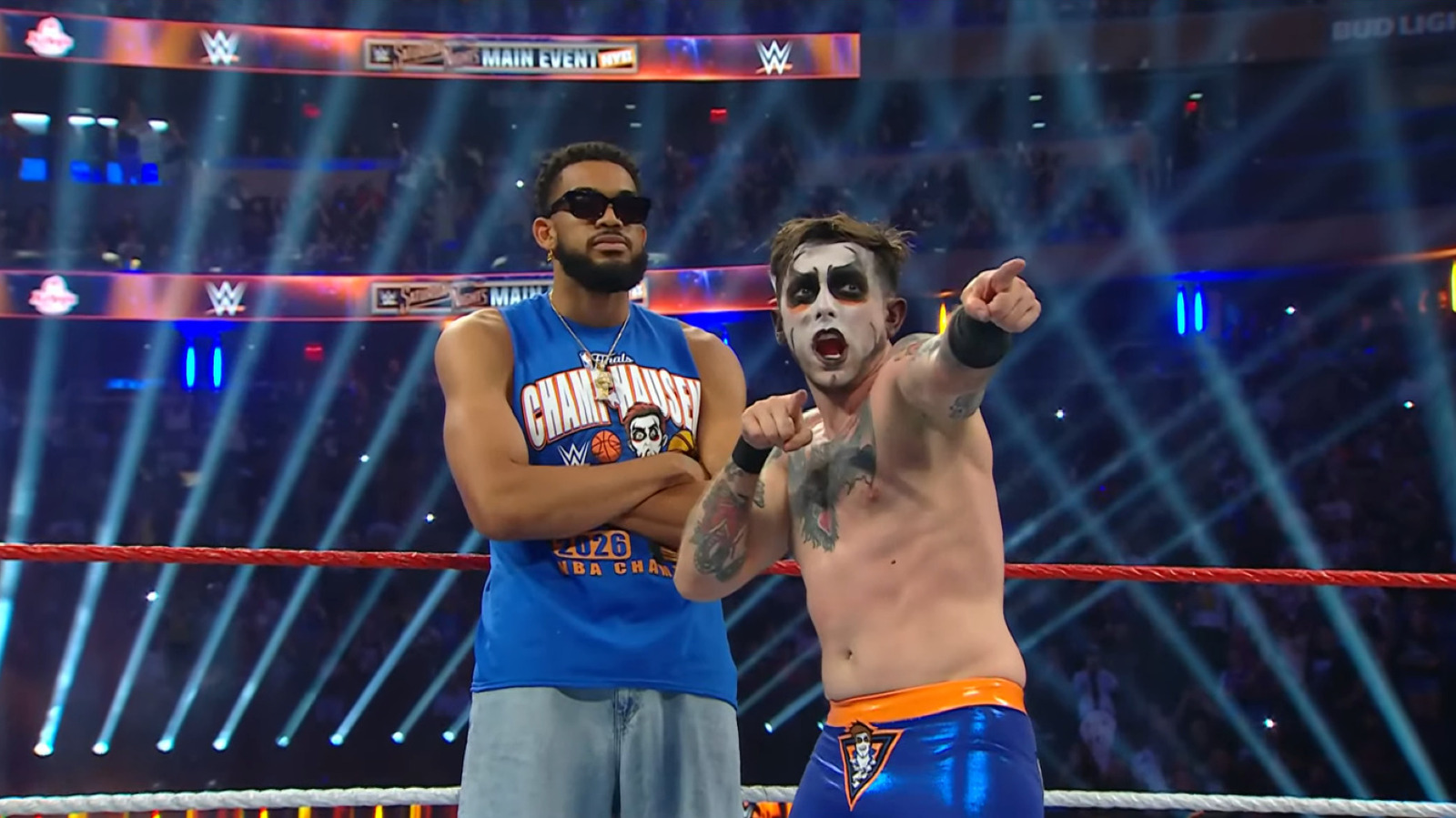
Karl Anthony Towns at SNME proves that celebrity cameos need a hard reset
6 hours ago
Karl-Anthony Towns at Saturday Night's Main Event adds flavor but exposes gaps
6 hours ago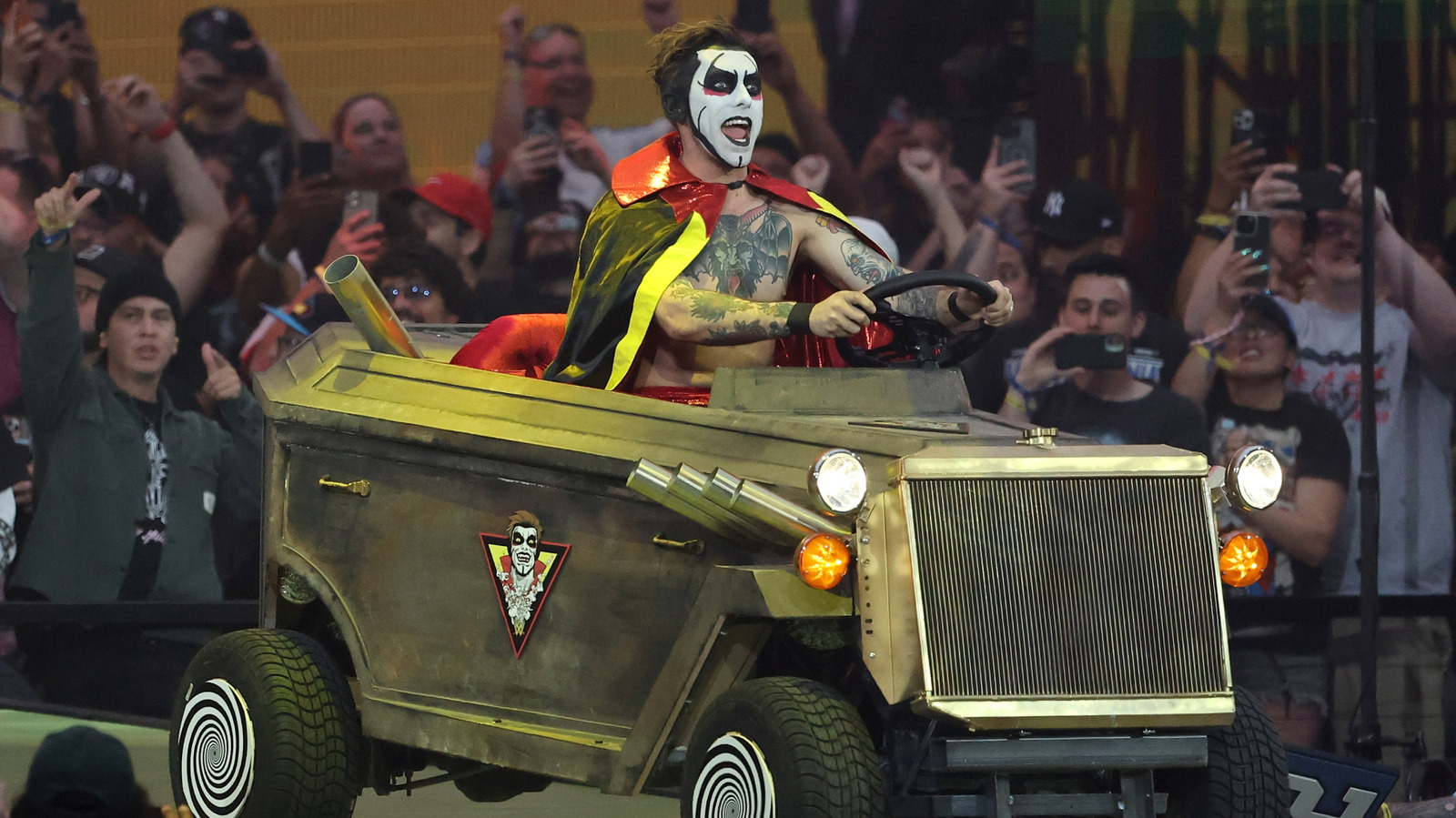
Danhausen is taking his chaos to the streets of NYC
11 hours ago
Logan Paul's 2026 engagement numbers show the diminishing returns of celebrity crossovers
17 hours agoMore Analysis
Danhausen is the smartest guy in the locker room right now
1 month, 2 weeks ago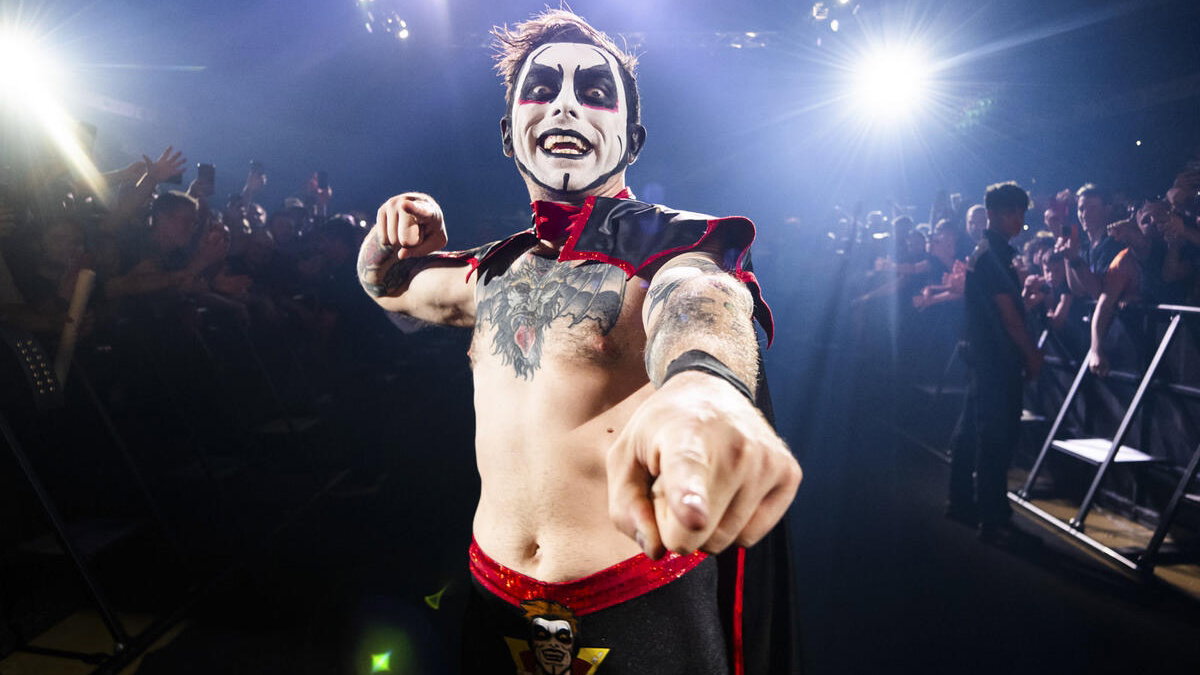
WWE’s legal fixation on Danhausen is a bizarre use of corporate bandwidth
1 month ago
Danhausen is the most efficient merchandise mover in WWE right now
1 month, 3 weeks ago
WWE trademarking Human Monies is the level of pettiness we crave
1 month ago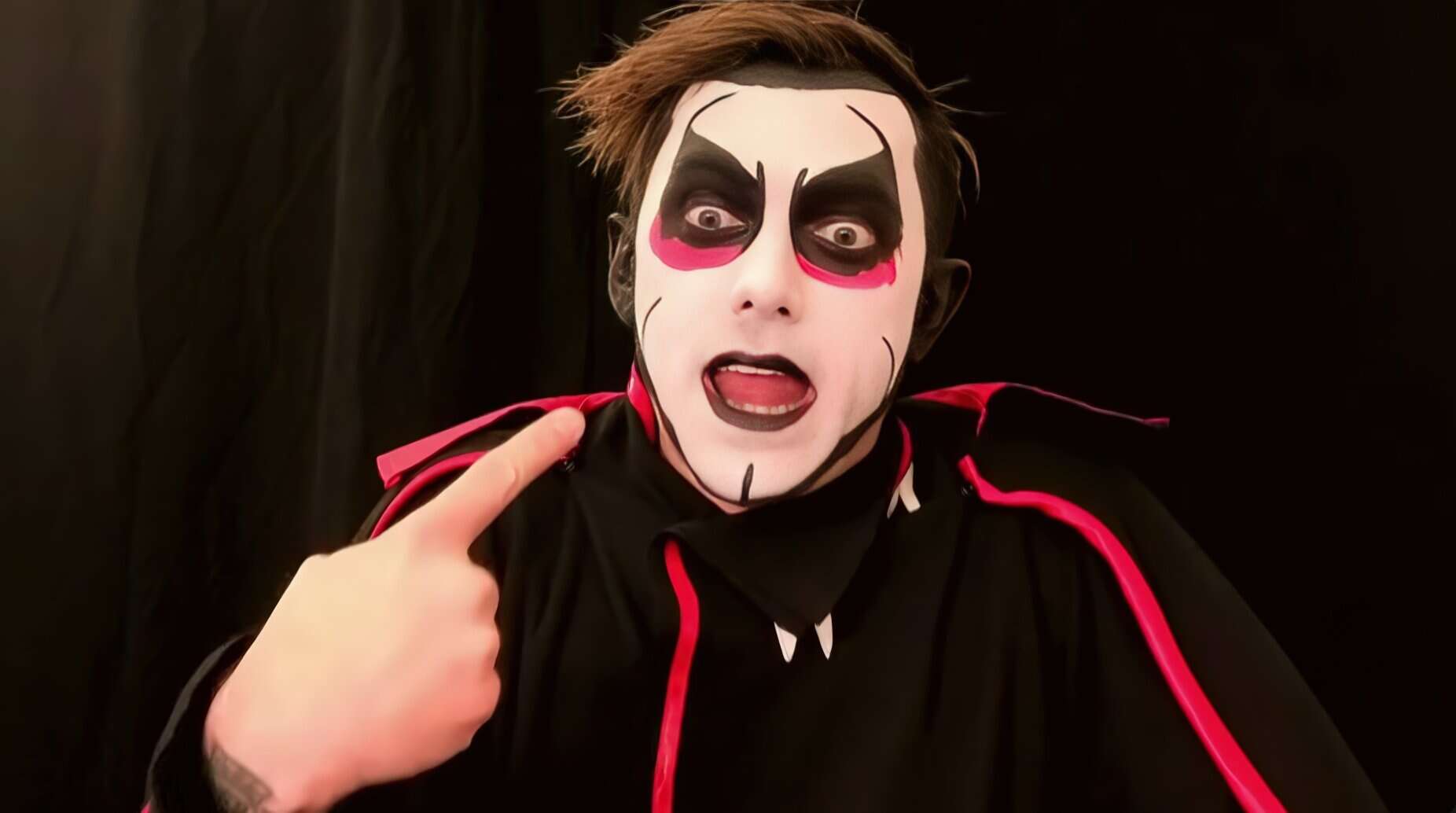
Why Danhausen's new media deal exposes WWE's biggest flaw
1 month, 3 weeks ago