The Phenomenal Ghost
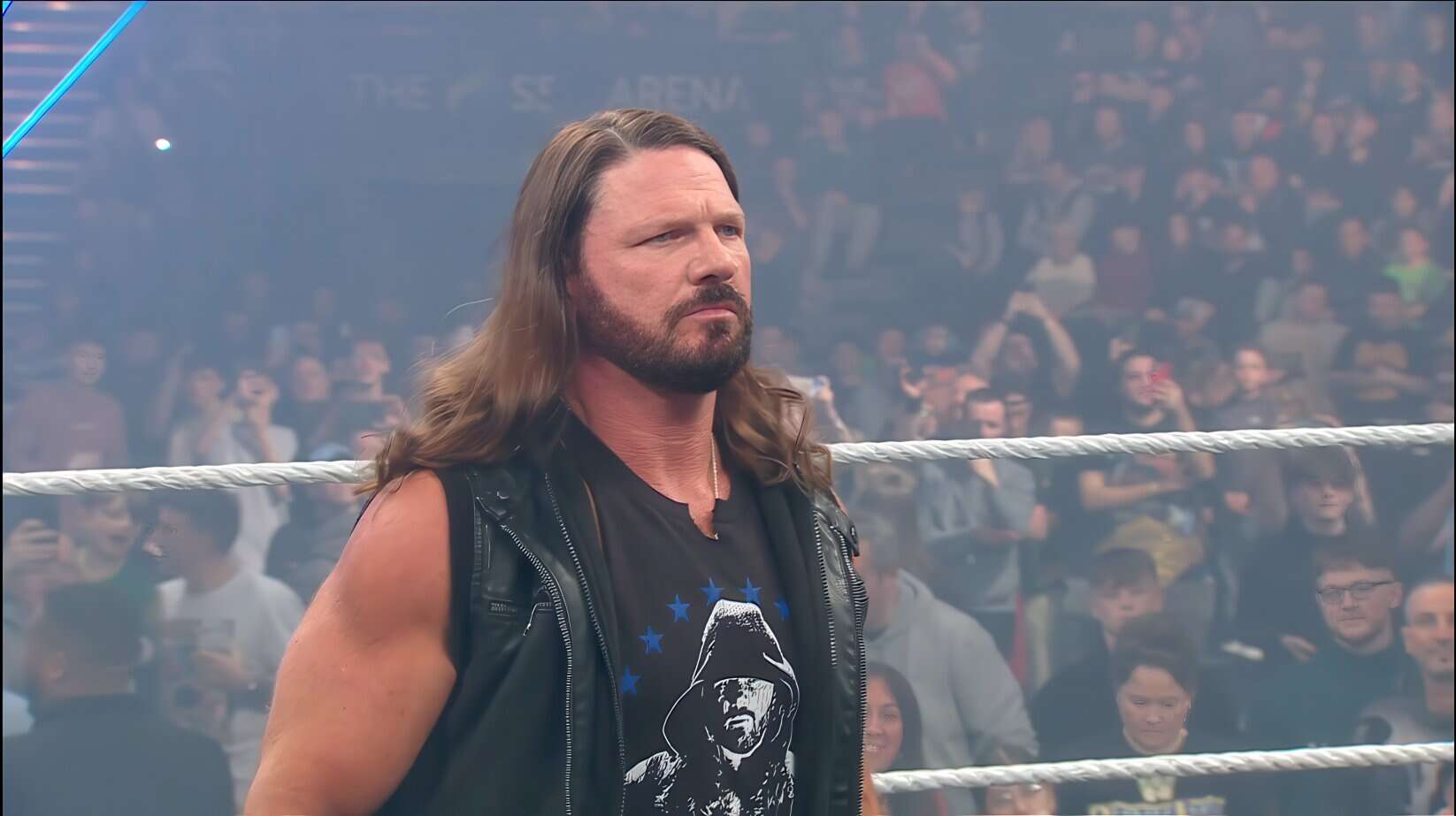
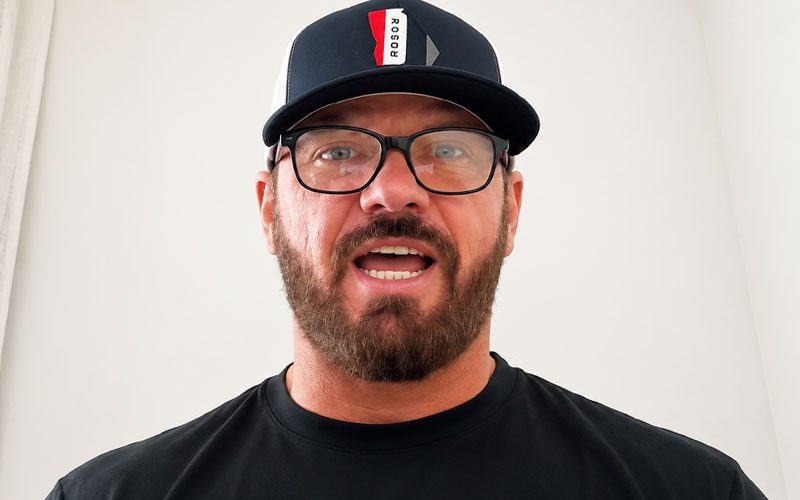
AJ Styles is officially done. His in-ring career wrapped up after the Royal Rumble in January, bringing a quiet end to one of the most mechanically perfect careers in modern wrestling. There was no drawn-out retirement tour. No tears in the middle of the ring at WrestleMania. Just a sudden, definitive exit.
Chris Jericho recently confirmed what the dirt sheets have whispered for months. AEW made a serious play for Styles before he called it a day. As reported this week, the interest was very real. Tony Khan wanted the former IWGP Heavyweight Champion to finish his career on Wednesdays.
You can see the tactical reasoning from AEW's side. Styles is the ultimate bridge worker. He speaks the language of the modern, frantic indie style, but he understands the heavy pacing required for weekly American television. He could have stepped into a program with Will Ospreay and produced an instant classic. He could have anchored Collision with ease.
But let's be honest about the reality of an AEW run for a 48-year-old Styles. It would have been a mistake. The booking structure in AEW right now is far too loose. We are just three days away from AEW Dynasty, and while the match quality will undoubtedly be excellent, the weekly narrative build has been completely disjointed. Styles thrives on tight, logical progression. He doesn't just do moves; he builds sequences that pay off twenty minutes later. Throwing him into random cold matches wouldn't have served his legacy. He made the right call staying put.
AJ Styles' final run in WWE was a masterclass in masking physical decline with elite ring positioning. If you watched his work over the last twelve months, he rarely ran the ropes with the same velocity he did in 2016. Instead, he controlled the center of the ring. He forced his opponents to come to him. He used strikes and submission transitions to dictate the breathing of the match.
In AEW, the ring is treated like a playground. Wrestlers use every inch of the apron, the barricades, and the ramp. Styles is a conservative worker now. He protects his bumps. Putting him in a twenty-minute scramble with Darby Allin or Sammy Guevara would have been a stylistic disaster. It sounds great on a dream-match graphic, but mechanically, it falls apart. AEW rarely slows down enough to let a veteran's limb-work psychology actually breathe.
The Advocate's Empty Stable
While Styles walked away on his own terms, WWE is facing a much more sudden crisis at the top of the card. The beast might be going back to the woods.
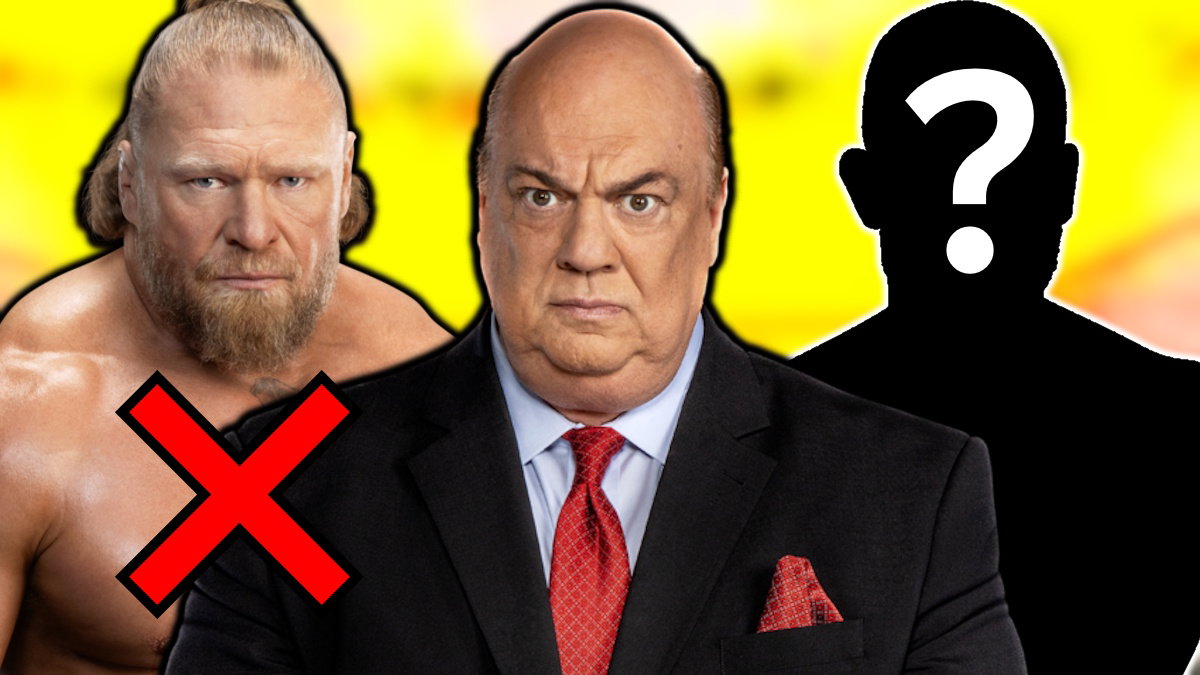
Brock Lesnar's return at SummerSlam 2025 felt like a restoration of order. Reunited with Paul Heyman, Lesnar looked ready to dominate the upper echelon for another two years. Instead, reports are swirling that Lesnar is strongly leaning toward retirement.
If Lesnar is truly finished, WWE has a massive structural problem. It isn't just about losing a marquee attraction. It is about what happens to Paul Heyman.
Heyman is the most valuable non-wrestling asset in the industry. But his act requires a distinct partner. He cannot manage a plucky babyface. He cannot manage a mid-card act trying to get over. Heyman needs a killer. He needs someone whose physical presence justifies the exorbitant promotional packaging he provides.
When Heyman speaks, he isn't just cutting a promo. He is setting the emotional stakes for the match. He dictates the pacing. If you watch his ringside mannerisms, he actively conducts the tempo of his client's matches. He shouts instructions that serve as cues for the live audience. Without a client, he is completely stranded.
Who steps into that role? Roman Reigns has outgrown the need for a mouthpiece. The Bloodline story is entirely self-sufficient at this point. Bron Breakker is a physical freak, but pairing him with Heyman feels too derivative of the early Lesnar run. WWE needs a fresh dynamic, and they need it quickly.
The Vegas Deadline
Let's look at Lesnar's SummerSlam 2025 match. It was fascinating because it wasn't just a suplex-spam fest. He actually slowed down. He threw heavy, deliberate knees. He worked the clinch. It felt like a fighter who knew his gas tank was limited, so he maximized every single offensive output.
If Lesnar is retiring, the ripple effects are massive. WWE doesn't just lose a wrestler; they lose an entire genre of match. The Brock Lesnar bout is a distinct format. It is an eight-to-twelve minute sprint of pure, unadulterated violence. It completely resets the palate of the audience. When you sit through a four-hour premium live event, you need that violent reset. Without Lesnar, every match on the card starts to blend into a similar, back-and-forth, 50/50 rhythm.
Who can provide that violent reset now? Gunther is methodical, not explosive. Breakker has the speed, but he lacks the terrifying aura of a legitimate heavyweight prize fighter. WWE has spent a decade training their audience to expect a monster at the top of the card. Now, the monster is gone, and the cage is empty.
Paul Heyman knows this. You can see it in his recent television appearances. He looks like a manager searching for a purpose. He is a brilliant orator, but his words only matter if there is a threat of physical violence backing them up. If Heyman is forced to manage a traditional wrestler, his entire act gets neutered. He becomes just another guy cutting promos in the middle of the ring.
The End of an Era
We are exactly 23 days away from WrestleMania 41 in Las Vegas. Allegiant Stadium is sold out. The promotional machine is running at full capacity. But look closely at the card, and you start to see the cracks.
John Cena's farewell tour is eating up a massive amount of oxygen. CM Punk is locked into a high-profile program. Cody Rhodes is defending the WWE Championship on Night 2. But the undercard feels dangerously thin, largely because WWE has relied on part-time veterans to plug the gaps for the last five years.
This is the negative consequence of the Triple H era. While the long-term storytelling has vastly improved, the developmental pipeline hasn't produced enough main-event ready heels to replace the departing generation. The top of the card is a bottleneck of aging legends.
If Lesnar is unavailable for Vegas, who gets that spot? We are running out of television time to build a credible threat. SmackDown is currently coasting on the momentum of the Reigns family drama, but Raw is exposing its severe lack of depth. They are trying to heat up secondary challengers, but the crowd isn't buying it. You cannot just hot-shot a mid-carder into a co-main event spot three weeks before the biggest show of the year and expect the audience to treat them like a legitimate star.
The Triple H regime has rightly earned praise for long-term patience. The Bloodline saga is a triumph of pacing. But the critique is obvious. They are dreadful at pivoting when plans change. They do not know how to audible. When an injury happens, or a massive star like Lesnar becomes unavailable, the creative team freezes. They just plug a lesser name into the exact same story beats and hope the audience doesn't notice.
You cannot do that at WrestleMania. The fans in Las Vegas are paying premium prices. They expect premium stars. If you try to swap in a mid-tier heel to take Lesnar's spot, the crowd will turn on the match within three minutes.
This is the real test for WWE creative. They have just over three weeks to manufacture a legitimate threat out of thin air. They have to convince a cynical audience that someone, anyone, is capable of filling the void left by a generational freak of nature. They are out of time. They are out of established stars. And they are about to step onto the biggest stage in the world with a gaping hole in their lineup.
My prediction? They will panic. They will scramble. We will see a rushed, illogical push for someone who simply isn't ready, just to give Paul Heyman something to do on television. The bell will ring, the crowd will sit on their hands, and WWE will realize the hard way that you cannot replace a monster with a man.