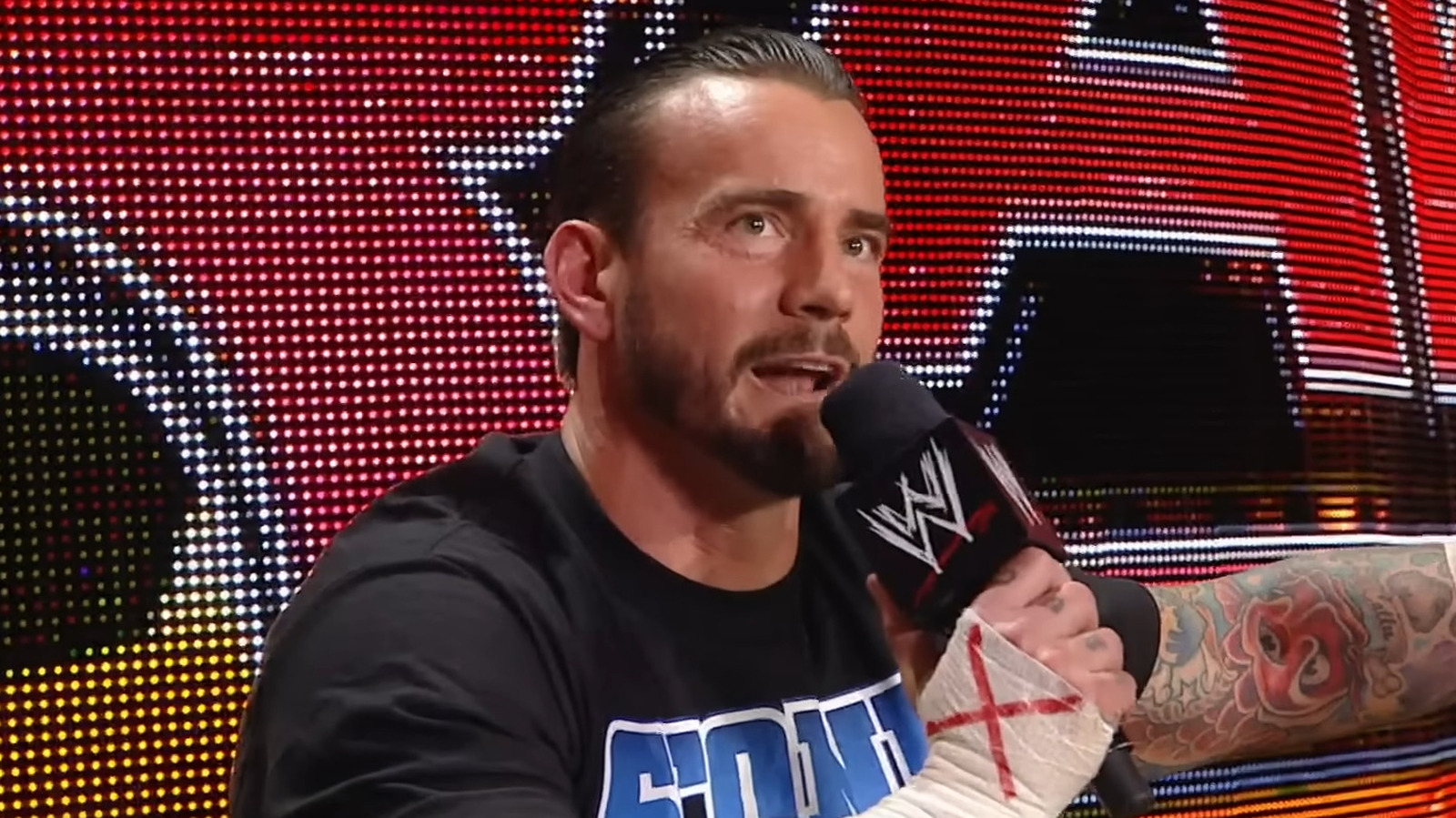
The ghost of the pipe bomb still haunts the locker room
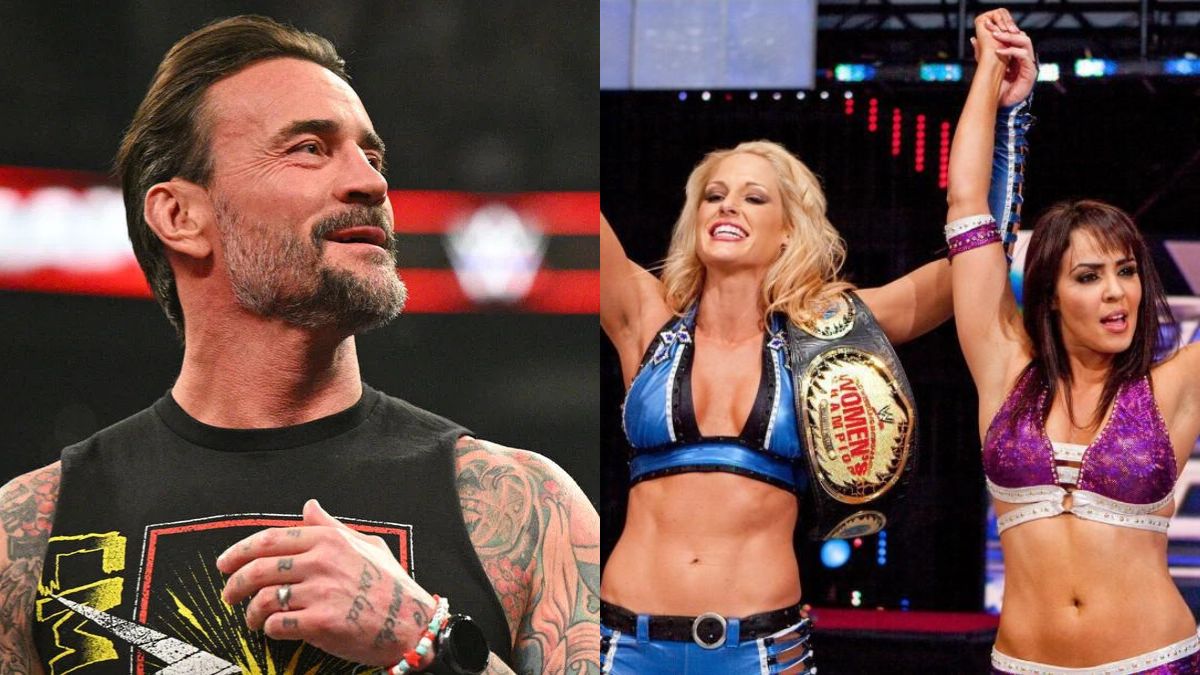
Pull up a chair and pour something stiff, because we need to talk about CM Punk. The guy is back in the spotlight, sitting down with Stephanie McMahon to rehash the 2011 Summer of Punk. It is the wrestling equivalent of that guy who peaked in college and still wears his varsity jacket to the dive bar. Except, in this case, the jacket is iconic, and the college years actually changed the DNA of the industry.
Punk finally broke his silence on the pipe bomb, that career-defining promo where he sat cross-legged on the entrance ramp and burned the house down with a microphone. It was raw, unfiltered, and carried that specific venom that usually gets people fired. Watching the interview, you get the sense he is *still* analyzing every syllable of that night. He treats that monologue like a forensic scientist treats a cold case file.
Was the summer of 2011 actually good or just loud?
Look, I love the history books, but let’s stop pretending everything that followed the promo was gold. We act like the Summer of Punk was a perfectly executed masterpiece of booking. It wasn't. There were glaring holes that would make a block of Swiss cheese jealous. The transition from the MITB win over John Cena into the subsequent booking was a chaotic mess of missed opportunities and disjointed storylines.
As Wrestling Inc reported, the conversation with Stephanie McMahon offers a glimpse into what really went down behind the curtain. It wasn't some cohesive, grand plan. It was professional wrestling at its most reactive and erratic. They were flying by the seat of their pants, which is exactly why it captured lightning in a bottle for three weeks before inevitably stalling out.
The obsession with the glory days
Punk sitting down to talk about his legacy is fine, but it highlights a recurring problem in the current product. Wrestling is currently stuck in a cycle of worshipping the mid-2000s and early-2010s. We keep asking these guys to revisit their greatest hits because we are terrified of the next generation failing to live up to the standard. It feels like every top star needs a retrospective before they can even build a new mountain.
Critiquing the 2011 run isn't just about hating on the man; it is about acknowledging that even the greatest angles in history had stinkers. We had the Kevin Nash return that felt like a bad fever dream and the weird stop-start pushes that killed the momentum for several other guys on the roster. It wasn't all five-star matches at the Allstate Arena. Sometimes, it was just dudes looking confused while someone talked for ten minutes on live television.
Taking a hard look at the rearview mirror
If we are going to look back at the pipe bomb, we should do it with eyes wide open. Was it the greatest promo of the modern era? Probably. Did it save a company that was creatively bankrupt at the time? Absolutely. But the execution that followed was a classic case of the writers failing to keep pace with the talent. If you watched the 15-minute segment on the ramp, you remember the atmosphere. If you watched the next six months, you remember the frustration.
Comparing the industry then to what we see today reveals a glaring difference in consistency. The 2011 era was famous for those jagged edges, those moments where the fourth wall didn't just crack, it crumbled. Punk loves to point at the authenticity of the moment, but you cannot survive on authenticity alone. You need better follow-through, better finishes, and less reliance on nostalgia hits to sell tickets. We keep waiting for the next paradigm-shifting event, but maybe we should stop waiting and start demanding better writing.
Read Next
- CM Punk is still talking about 2011 and honestly I am tired
- Cary Silkin knows exactly what CM Punk brought to the table
- Triple H looks to shake up the roster with a surprise free agent signing
- CM Punk’s pacing problem is catching up to him
- 🏆 WrestleMania 41 — Full Coverage Hub
- 💊 CM Punk WWE 2026 — Best in the World