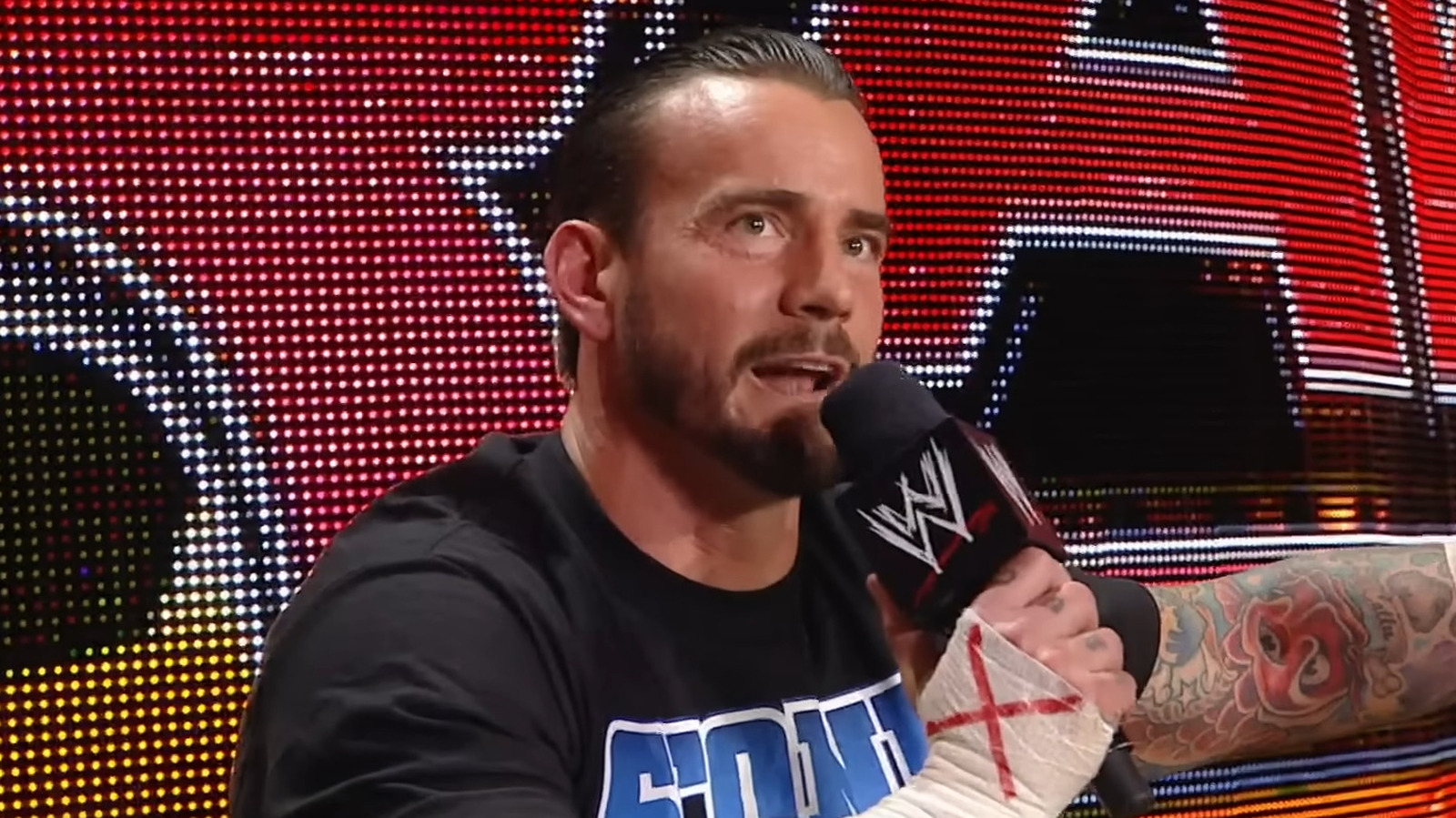
The pipe bomb that never stopped detonating
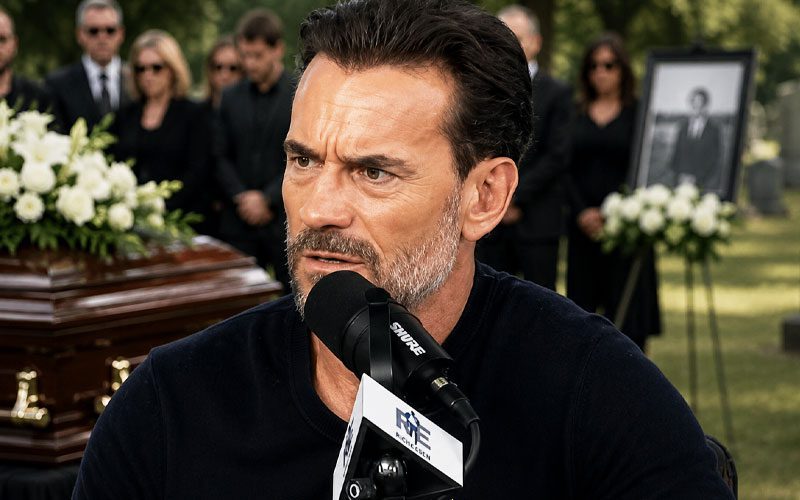
Fifteen years later, CM Punk is still sitting in chairs talking about the summer of 2011. You would think the man had retired, written his memoirs, and moved to a remote cabin in the woods. Instead, he sat down with Stephanie McMahon for a chat that felt like a trip to the archives rather than a look at the future.
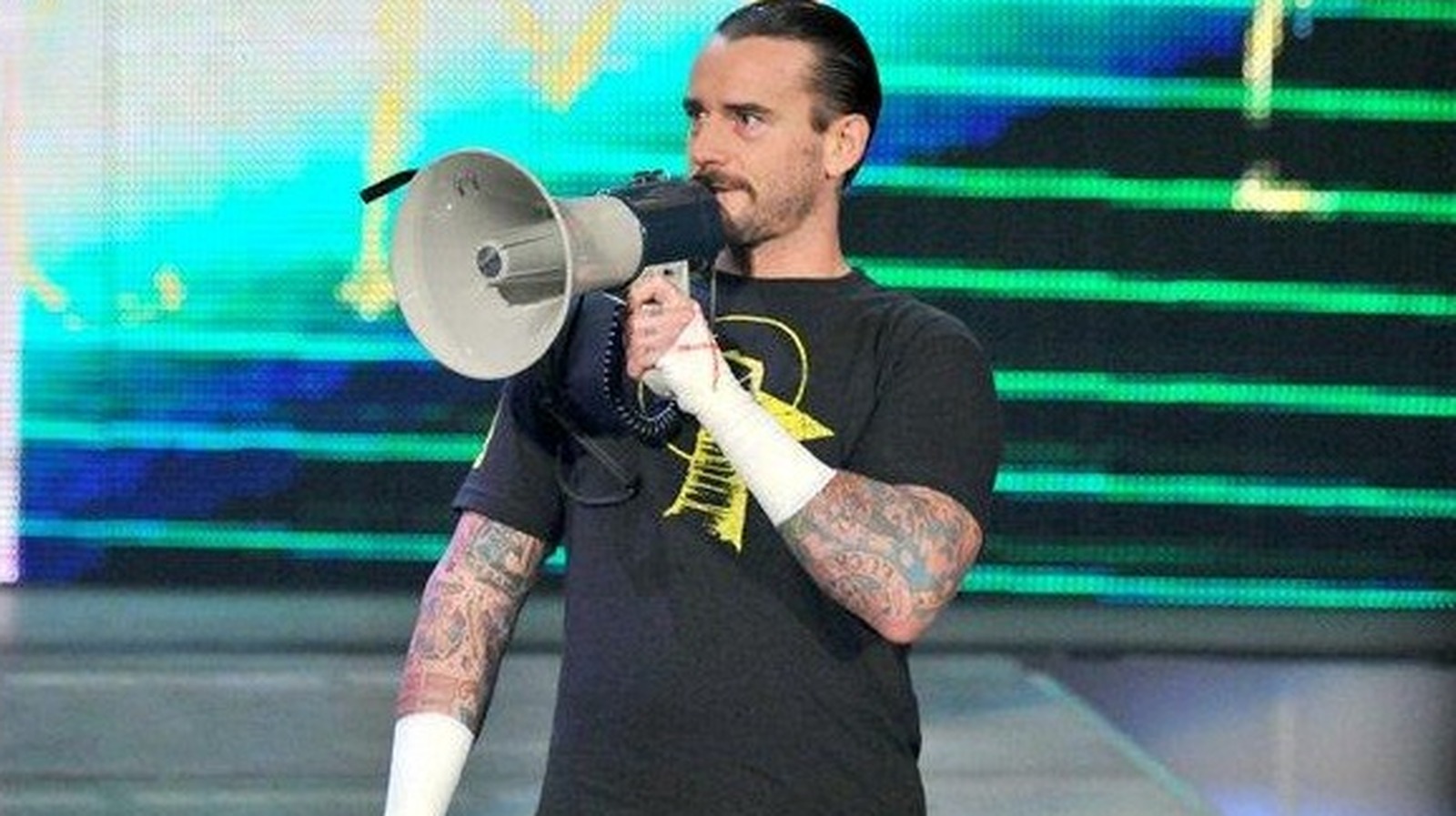
We all remember the lore. The guy grabs a microphone on a ramp, drops a few truth bombs about the McMahon family, and suddenly the wrestling business feels alive again. It was the peak of reality-blurring booking. Yet, hearing him reflect on it now brings up a major issue: the reliance on past hits.
The booking trap of constant nostalgia
When Wrestling Inc recently covered the sit-down interview, it reminded me of every time a veteran tries to recapture that lightning in a bottle. Look, the pipe bomb was a 10 out of 10 moment for the industry. It changed how we talked about contracts and internal politics. But re-litigating it in 2026 feels like a band playing their debut album fifty years into their career to fill space.
The problem isn't that the moment wasn't great. The problem is that the industry is still using 2011 as a benchmark for authentic promos. If you are still relying on a speech from fifteen years ago to define your legacy, you aren't evolving. You are just a highlight reel with a pulse.
Missing the point of the revolution
Punk wanted to change the business. He talked about locker room culture and the glass ceiling. Watching this retrospective, you don't hear much about what has actually changed since then. It was a sterile conversation about something that was defined by being messy and dangerous.
I just wanted to be the guy that everybody talked about.
That quote might define his ego, but it doesn't define the current roster's ambition. When I look at the locker room today, I see performers who don't need a pipe bomb to get attention. They have social media, global streaming reach, and a level of technical proficiency that was unheard of when Punk dropped that mic in Las Vegas.
The flaw in the mirror
The biggest miss in this reflection was ignoring the booking mistakes that followed the July 2011 heat. We all know the end of the summer was a stuttering mess of interference and questionable finishes. Forgetting that part of the story makes this look like PR fluff rather than a genuine breakdown of the era.
If you want to be the best of all time, stop asking us to look at the trophy room. Put on matches that make people forget 2011 ever happened. I love the guy, but stop telling the story and start making a new one. We get it — you were the guy. Now, prove it matters in a world where AI-generated analysis is taking up all the air in the room.
Read Next
- CM Punk is still obsessed with 2011 and honestly, we should be too
- Cary Silkin knows exactly what CM Punk brought to the table
- WWE's momentum problem with Tiffany Stratton
- Triple H looks to shake up the roster with a surprise free agent signing
- 🏆 WrestleMania 41 — Full Coverage Hub
- 💊 CM Punk WWE 2026 — Best in the World