The night the script actually died
Chicago, July 17, 2011. If you were sitting in the Allstate Arena that night, you weren't just watching a match. You were watching the moment professional wrestling decided to finally stop playing it safe and started burning the building down. CM Punk against John Cena at Money in the Bank wasn't a standard main event. It was a cultural reset that turned the entire WWE business model upside down.
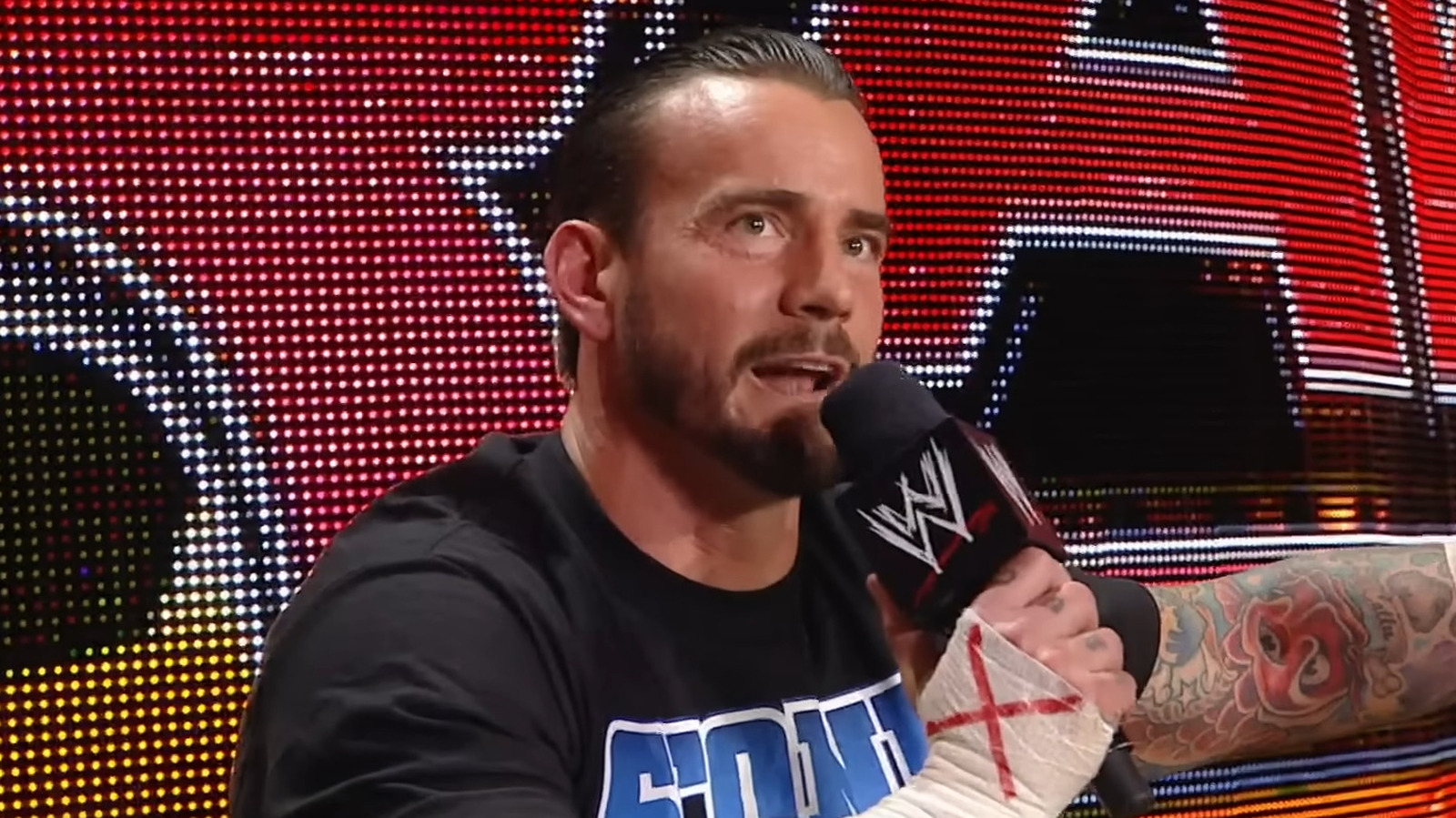
Punk isn't exactly known for looking back with rose-colored glasses, but his recent reflections on that night confirm what we all suspected. He wasn't just working a match. He was actively destroying the walls between reality and the scripted fluff that usually passes for a championship feud. When he sat cross-legged on that stage in Las Vegas with a microphone in his hand, he essentially held the company hostage with nothing but his own grievances.
The mechanics of a masterpiece
The match itself is a technical clinic, but that's not why it stands the test of time. It was the atmosphere. You could feel the air leave the room when the crowd realized Vince McMahon was actually going to let the guy who treated the company like a stain on his shoe leave with the strap. The wrestling itself—the technical exchanges, the stiff strikes, the desperate near-falls—felt like a desperate fight for survival.
Compare it to the standard procedural bouts we get nowadays. Most modern main events feel like they occur on rails, checking off a checklist of superkicks and tope suicidas. The 2011 Chicago encounter skipped the filler. It was forty-five minutes of pure, unadulterated tension where the finish felt like a total mystery until the closing bell rang in the 34th minute of the broadcast.
There is a specific kind of arrogance required to walk into the belly of the beast and walk out the hero. Punk managed to pull off the ultimate punk-rock move: he became the biggest pop culture figure in the wrestling world by being the least corporately polished guy on the roster. It was the logical conclusion of the promo he cut just weeks prior, a moment that remains the gold standard for how to disrupt a broadcast.
Where the legend hits a speed bump
Let's not get carried away with the nostalgia, though. The subsequent booking post-Chicago was arguably the biggest fumble in modern WWE history. Bringing him back immediately, the weird Kevin Nash involvement, the Triple H pivot—it was like someone took a Ferrari and drove it straight into a lake. The magic of that night was so potent that the company spent the next two years trying to water it down to appeal to a wider audience.
Punk has been open about the frustration that followed. Winning the belt in front of your hometown is a storybook ending, but the aftermath felt like the writers' room threw every bad idea at the wall to see what would stick. It highlights the eternal struggle between the performer who wants to change the game and the suits who just want to sell merchandise and keep things tidy.
He has always been a guy who understands that the crowd cares about authenticity, even if the creative department doesn't. He didn't need the bright lights or the pyro to make you believe he was a threat. He just needed the microphone. This is why his return to conversation regarding that match matters—it reminds us that the best content happens when someone stops reading the lines and starts saying what they actually think.
When talking about the industry, we often point to the Attitude Era as the peak of intensity. We forget that 2011 was the closest we ever got to capturing that same lightning in a bottle for a new generation. It wasn't about the beer-swilling or the glass-shattering; it was about the feeling that someone was actually in charge of the show who hadn't been filtered through a dozen committees.
Look at the way modern talent tries to replicate that energy. You see guys dropping 'pipebomb' promos almost every month now. Almost none of them work. Why? Because you can't force anarchy. Punk’s 2011 run succeeded because it was a genuine, high-stakes collision of ego and reality. Even today, watching the replay of the finish, the pop when Cole calls the count is deafening. It serves as a reminder that wrestling is at its best when it feels dangerous, messy, and real.
The industry is in a better place now than it was when things went stale in the early 2010s, yet the shadow of that match looms large. You see hints of it in the current storylines across AEW and WWE alike, the constant tug-of-war between the locker room and the front office. Punk knew then what we know now: you can't build a legacy on scripts. You build it on moments that make you want to scream at your television.
As WWE continues to evolve toward the Backlash 2026 cycle, they should look back at the footage from Chicago once in a while. Not for the moves, but for the stakes. The fans haven't changed that much in fifteen years. They still want to believe. They still want the guy they root for to have a real fight on his hands. And they still want to feel like they are watching something that matters.
Punk might be older, and the industry has shifted its goals, but that night in Chicago remains the benchmark. It is the ceiling. Every wrestler who walks through the curtain hopes for a night like that, where the crowd is in the palm of their hand and the story they are telling is the only thing that matters in the world.
Read Next
- CM Punk's hotel confrontation reflects a growing fan-access crisis
- Top 10: The Evolution of John Cena
- WWE just burned the furniture and WrestleMania 41 was the match
- Top 10: The Moments Defining the 2026 Wrestling Scene
- 🏆 WrestleMania 41 — Full Coverage Hub
- 👴 John Cena Retirement Tour 2026
- 💊 CM Punk WWE 2026 — Best in the World