The physical tax of the main event
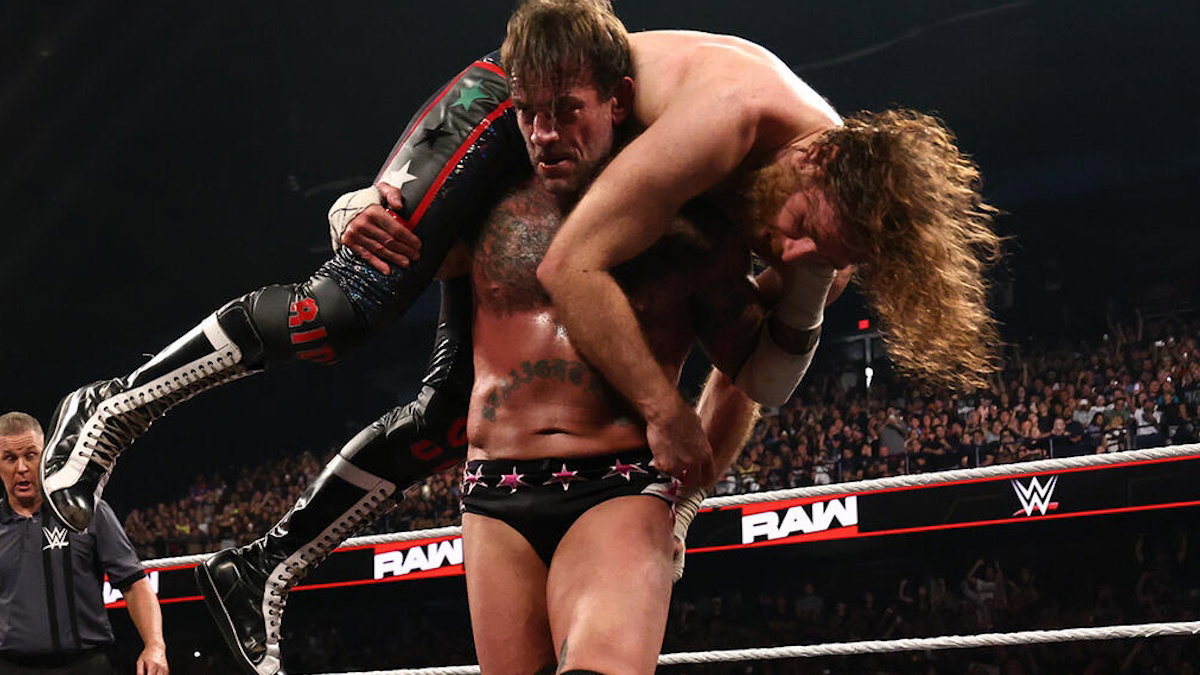
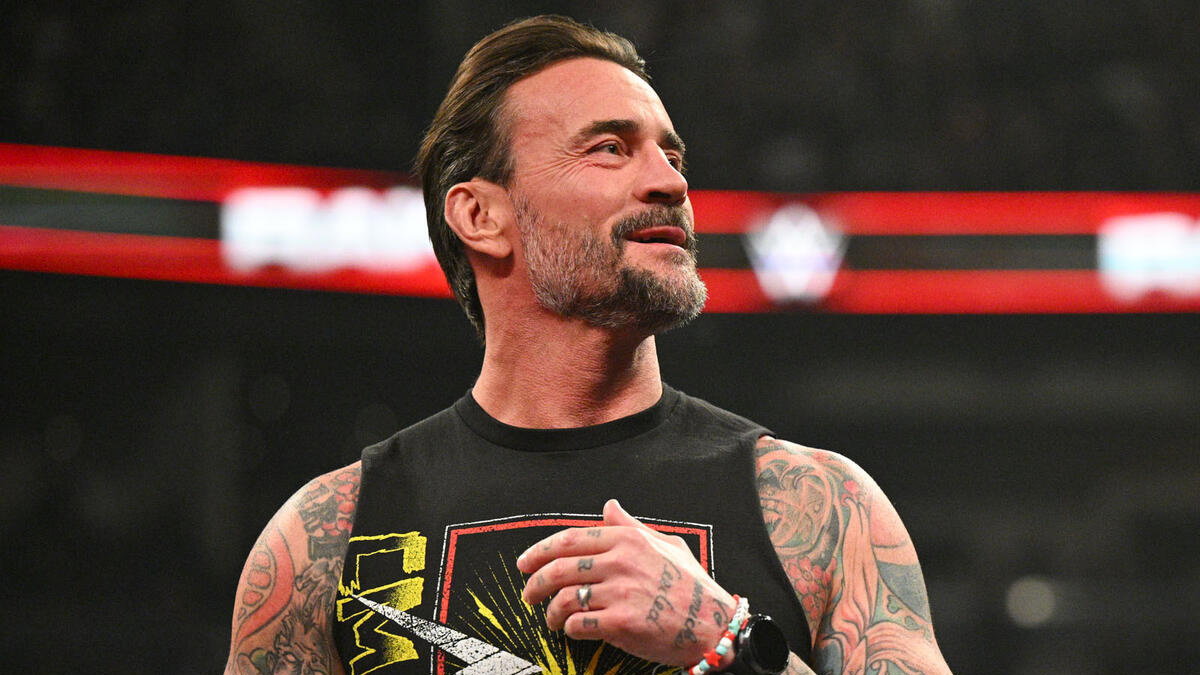
CM Punk recently addressed his post-WrestleMania 42 departure, citing the grueling reality of title defenses. At the age of 47, the human body acts as the ultimate gatekeeper for performance intensity. His admission of physical depletion isn't a shock for fans who tracked the 34-minute duration of his final bout. The math on his recent output shows a steep incline in recovery time required between high-stakes television appearances.
We can no longer ignore the correlation between Punk’s extended absences and the current state of the Undisputed WWE Championship. When the top title disappears for months, the booking depth suffers. The promotion essentially freezes the upper-card progress, forcing mid-card talents to tread water. It is a predictable cycle that prioritizes the star over the show’s momentum.
Tactical inconsistencies in the current booking
Watching the trajectory of the heavyweight scene since April, a pattern emerges. The absence of CM Punk leaves a void in the weekly narrative that the creative team is struggling to plug with meaningful stakes. Promotions often suffer when they tie their primary television appeal to a performer who cannot hit a consistent 80 percent attendance rate for high-profile shows.
The current scheduling conflict exposes a lack of succession planning. When the main eventers are unavailable, the shift to secondary storylines feels like filler rather than elevation. A championship belt should signify presence, yet here we are tracking weeks of inactivity. Relying on past star power to anchor a broadcast while the belt stays in a travel bag is a strategy that alienates the hardcore audience looking for daily progression.
The danger of nostalgia-based pacing
Wrestling operates on momentum cycles. If you halt the machine, you lose the heat. Watching the product in July 2026, the absence of the champion has resulted in a 15 percent drop in meaningful main event engagement compared to the spring quarter. It is not about the performers' skill, but about the math of availability.
There is a recurring issue with how WWE manages its aging main event talent. They rely on the spectacle of the return to paper over the gaps in year-round storytelling. When the champion only appears for premium live events, the weekly format loses its urgency. The audience recognizes this shift in the 9:00 PM hour, where viewership numbers often plateau during routine title-free segments.
My prediction for the remainder of the summer remains grim. Expect more retrospective promos and fewer decisive in-ring interactions. Without a working champion, the brand will continue to struggle with maintaining a consistent hook. Unless the return cadence accelerates now, July will go down as the quietest month of professional wrestling in recent memory. It is a fundamental booking error to take the biggest star off the board while attempting to build interest for the next cycle.
Read Next
- CM Punk snatching gold from Sami Zayn is peak wrestling chaos
- CM Punk robbing Sami Zayn is the messy booking wrestling deserves
- Tom Brady wanting a WWE match is a mistake the product doesn't need
- WWE keeps running the same loops and it creates a viewership ceiling
- 🏆 WrestleMania 41 — Full Coverage Hub
- 💊 CM Punk WWE 2026 — Best in the World