The shadow of the past
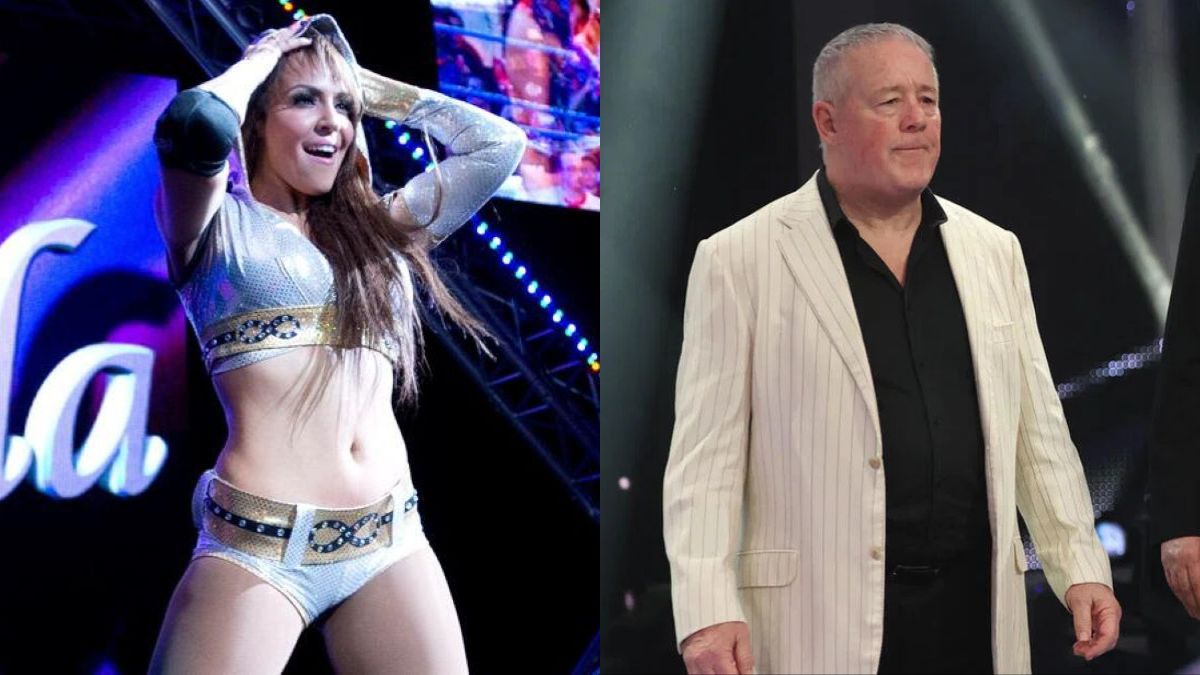
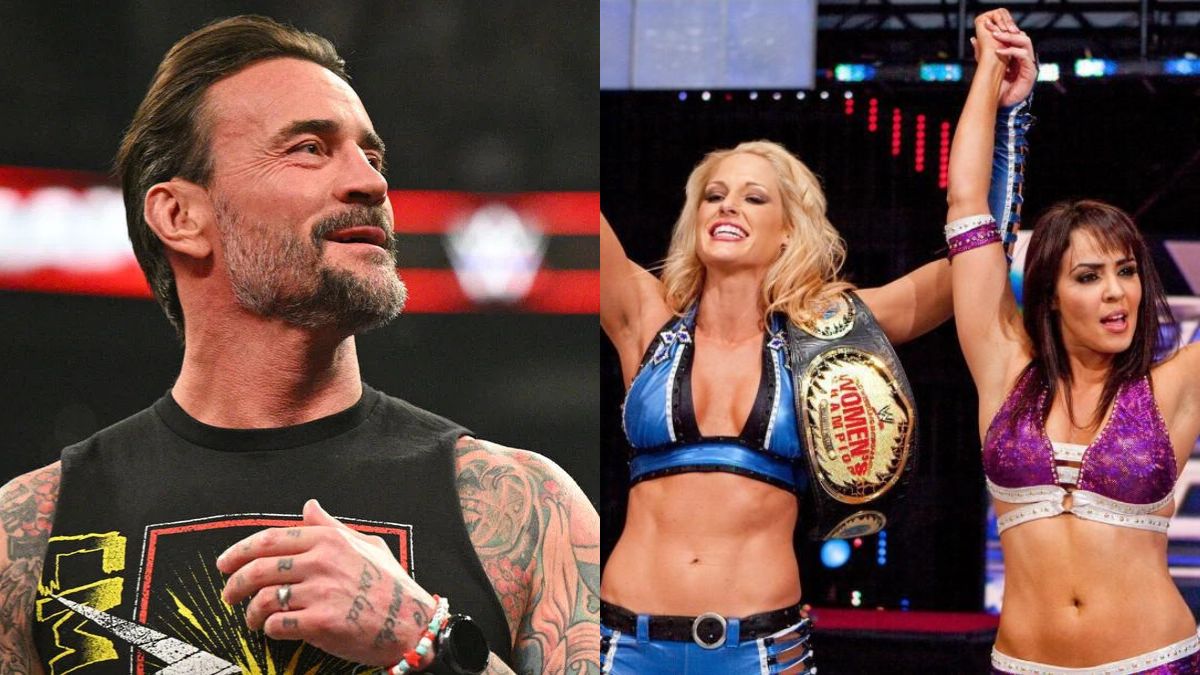
Recent revelations from Layla regarding the origin of the LayCool moniker have reignited a familiar debate among wrestling purists. She noted that CM Punk, of all people, suggested the portmanteau for her team with Michelle McCool back in 2009. While it stands as a fun piece of trivia for those of us who spent our late 2000s evenings glued to SmackDown, it highlights a darker reality.
We have a habit of looking at these eras through a lens of extreme nostalgia. We remember the names, the entrance gear, and the occasional sharp promo. We often conveniently airbrush the 2.1 rating average that defined the product during that specific window of 2009 to 2011. The reality of the broadcast was often sluggish, hampered by questionable creative directions that made even the best performers feel like they were idling.
Tactical inconsistencies in booking
LayCool functioned well as a device to generate heat, primarily because they understood the value of playing to the cheap seats. However, their reliance on the mid-match distraction roll-up or the interference-heavy finish at the 14-minute mark of television bouts became a tiresome pattern. It forced the audience to stop investing in the actual physicality of the match, knowing the booking would inevitably pull the rug out from under the performers.
This is what happens when you prioritize character dynamics over match psychology. WWE remains a business built on heat, but there is a clear difference between effective heel work and booking that actively trains the audience to tune out. When your top-billed segments rely on the same three tropes, the quality of the wrestling loses its gravity.
The evolution of the internal creative process
It is genuinely interesting that a performer like Punk was involved in naming the group. It speaks to a level of internal collaboration that is often absent in the modern era of tightly scripted silos. As WrestleTalk recently reported, the casual exchange of ideas between locker room veterans was more fluid fifteen years ago. Compare that to the current climate where even minor adjustments often require multiple layers of executive sign-off.
We should appreciate the history without elevating it to something it was not. The move to the current iteration of the product has been defined by a focus on long-term story arcs that respect the viewer's intelligence. We have moved past the era where a clever name for a tag team was the peak of creative output.
My prediction for the upcoming weekend show is grim: we will likely see another reliance on the ref-bump finish to close the main event. It is a dated technique that serves only to stall the momentum of rising stars. If the promotion wants to signal a change, they must abandon the crutch of the outside distraction entirely.