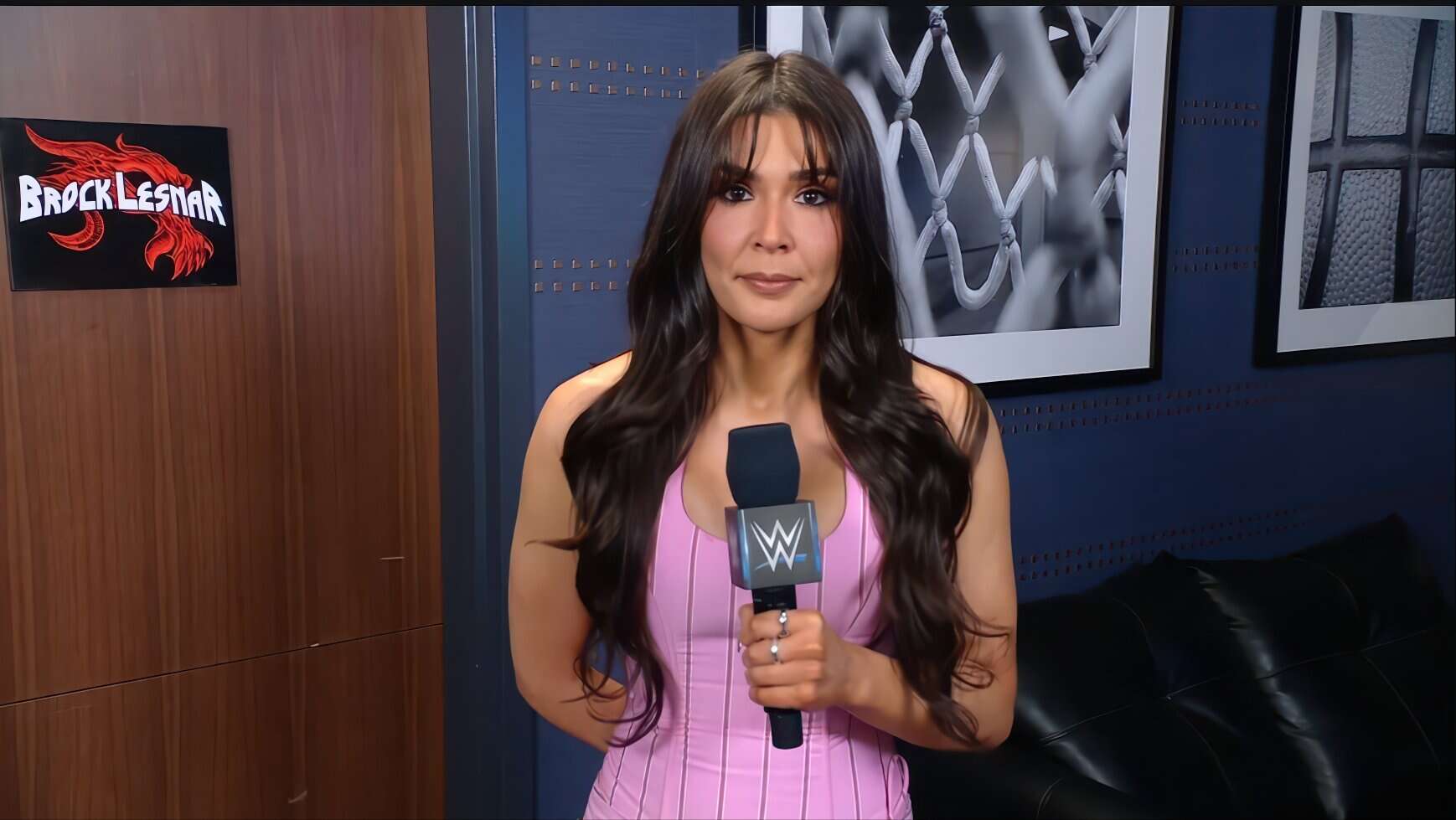
The Iron Woman of the Broadcast Desk
Professional wrestling is an industry built on playing hurt. Fans obsess over torn pectorals, blown knees, and concussions. We debate which superstar has the highest pain tolerance. But we rarely talk about the grueling reality for the people holding the microphones on the periphery of the action.
Cathy Kelley just shifted that conversation entirely. She revealed she underwent egg retrieval surgery this week without missing a single broadcast. That means taking hormone injections, undergoing an invasive medical procedure, and immediately stepping back into the chaos of live television.
She dropped the news casually on social media, treating a major medical event like a minor inconvenience. As reported by WrestlingNews.co, her procedure didn't cause her to miss a single day of work.
"Between egg freezing retrieval surgery, interrupted interviews, and a severe shortage of french toast sticks, it’s been a week."
That is a staggering level of commitment. WWE’s travel schedule is famously unforgiving. You fly into a new city, drive to an arena, prep for hours, stand in heels for a three-hour broadcast, and then race to the next town before the sun comes up.
For Kelley to navigate that grind while dealing with the physical and emotional toll of fertility treatments is nothing short of remarkable. It redefines what we consider "toughness" in professional wrestling.
Team News and the Support System
Kelley didn’t pull this off alone. Her announcement highlighted her medical team, who literally structured her procedure around WWE’s relentless calendar. That alone tells you how demanding this job is. She also pointed out her friend Lindy for "weathering the anesthesia induced tears."
The locker room response was immediate and vocal. Brie Bella and Maxxine Dupri were among the first to offer public support. It shows the tight-knit nature of the women's locker room right now, a stark contrast to the cutthroat environments of previous eras.
Family planning in professional wrestling has historically been a nightmare. For decades, female talent were forced into impossible choices. Taking time off to freeze eggs or start a family often meant losing your spot on the card or your television time.
Seeing a prominent on-screen figure openly discuss reproductive health is a massive step forward. It normalizes a procedure that many working women navigate in silence. It sends a message to the next generation of talent that they don't have to sacrifice their future families for their current careers.
This public declaration is brave. It strips away the polished, untouchable veneer of television and gives fans a raw look at the human being behind the microphone.
Form Guide: The Unsung MVP of Monday Night Raw
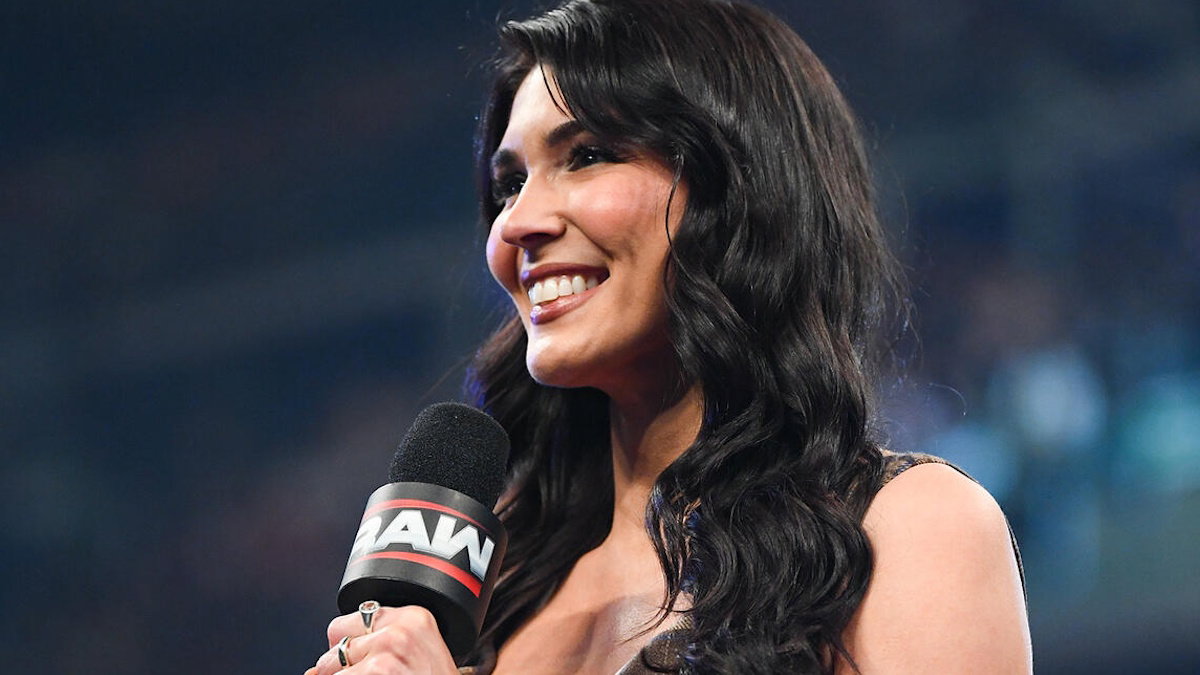
Let's look at Kelley's recent form. Since her return to WWE, she has been doing the absolute best work of her career. She brings a legitimate sports-broadcast polish that grounds the sometimes absurd reality of the product.
Whether she's trying to get a straight answer out of a furious Drew McIntyre or acting as the straight-woman to Damage CTRL's chaotic antics, she nails the assignment every single time. Her timing is impeccable. She knows exactly when to lean in with a follow-up question and when to let the talent breathe and sell their emotion.
Compare her current run to the late 2010s. She is noticeably more confident now. She commands the frame. When the red light goes on, she dictates the pace of the segment. She doesn't let the wrestlers run her over verbally.
She has become the modern equivalent of Mean Gene Okerlund. She possesses that rare ability to make every performer she talks to seem more important. But we need to talk about the booking of these segments, because it isn't all positive.
The Tactical Preview: Surviving the WWE Interview Formula
Kelley joked about "interrupted interviews" in her post. That highlights one of my biggest gripes with WWE television right now. The company relies entirely too much on the "interrupted backstage segment" trope. It is a tired, frustrating crutch.
It is lazy booking. We see it three times a night on Raw and SmackDown. Kelley starts asking a thoughtful question about an upcoming match, and suddenly Liv Morgan or Dominik Mysterio wanders into the frame to hijack the segment.
It completely undermines the interviewer. It turns them into a glorified coat rack. WWE has world-class broadcasters like Kelley, Jackie Redmond, and Kayla Braxton, and too often treats them like inanimate props placed there solely to be interrupted.
Here are the actual tactical skills an interviewer needs to survive modern WWE booking:
- Maintaining eye contact when a 250-pound heel starts screaming inches from your face.
- Knowing exactly how many seconds are left before the production truck throws to commercial.
- Keeping a straight face when the script takes a ridiculous turn.
If you have a talent working through the physical toll of egg retrieval surgery, maybe let her actually finish an interview? Give the broadcast team the respect they deserve. Let them act like real journalists rather than stepping stones for a cheap run-in angle.
The tactical setup of these segments needs an overhaul. Stop writing the interviewers into corners. Let Kelley ask hard-hitting questions that force the wrestlers to react organically.
Key Match-Ups: Chaos vs. Composure
The real match-up here isn't between two wrestlers fighting over a championship belt. It's Cathy Kelley versus the live television environment. Live TV is an unpredictable monster. Timing cues change on the fly. Segments get cut entirely. Wrestlers go completely off-script.
Kelley handles this chaos better than almost anyone in the industry. Watch her eyes during a chaotic backstage brawl. She stays locked in. She sells the danger without overshadowing the talent involved.
There was a segment last month where Seth Rollins went entirely off the rails. Kelley didn't flinch. She kept her mic steady, nodded along with his manic energy, and wrapped the segment with perfect timing just before they cut to commercial.
That is technical proficiency at the highest level. It is the broadcast equivalent of catching a 250-pound man doing a moonsault to the floor safely. It looks easy only because she is exceptionally good at her job.
Her ability to read the room, adjust her tone, and keep the broadcast moving is a masterclass in live television production. She is the glue holding those chaotic backstage segments together.
The Reality of the Grind and the Physical Toll
Fans often romanticize the WWE lifestyle. We see the bright lights, the massive pyro displays, and the roaring crowds of 15,000 people. We don't see the 4 AM flights out of Des Moines, the delayed connections, or the sheer physical exhaustion of living out of a suitcase.
Egg freezing is not a simple outpatient visit that you bounce back from in an afternoon. It requires weeks of hormone stimulation. It causes severe bloating, extreme fatigue, and intense emotional swings. It culminates in a surgical procedure performed under sedation.
To go through that process, wake up from anesthesia, and then stand under hot studio lights to conduct flawless interviews? That requires a different kind of toughness. It demands an ironclad work ethic that very few people possess.
It makes you rethink every time you’ve complained about a headache at work. She is out there operating at an elite level while her body is recovering from surgery. That is exactly what makes her invaluable.
We should be talking about this the same way we talk about a wrestler working through a torn triceps. The dedication to the craft is identical. The refusal to take a night off is cut from the exact same cloth.
A Shift in the Locker Room Culture
This situation also tells us a lot about the current WWE locker room culture. Under the previous regime run by Vince McMahon, admitting you needed medical time off for reproductive reasons was seen as a massive career risk.
There was a pervasive fear of losing your spot or being labeled as uncommitted. Now, talent seem far more comfortable prioritizing their long-term health and personal lives. That is a massive operational shift behind the scenes.
It reflects a more modern, humane corporate environment. The Endeavor and TKO group leadership clearly understand that treating talent like human beings yields much better long-term results. Happy, healthy talent perform better.
But there is still progress to be made. The fact that her doctors had to schedule the surgery meticulously around her television appearances shows that the machine never truly stops. The WWE schedule remains an absolute meat grinder.
We need to see more flexibility. If a top broadcaster needs a week off for a medical procedure, the company should mandate that time off. They should force her to rest. The product will survive one week without her. Burnout is real, and WWE needs to protect its top assets from themselves.
Building Anticipation: What Comes Next on the Road to WrestleMania?
We are heading into the absolute busiest season of the professional wrestling calendar. With the Royal Rumble in the rearview and WrestleMania rapidly approaching, the pressure on the entire roster—including the broadcast team—will only increase exponentially.
The storylines are heating up. The crowds are getting louder and more demanding. The segments are getting longer and more complex. And Cathy Kelley will be front and center for every single second of it.
We are going to see her dealing with a potentially victorious Cody Rhodes, a broken down Roman Reigns, or a manic CM Punk. Those are high-wire acts that require extreme broadcasting precision. She won't have the luxury of second takes or a teleprompter.
She will be conducting the immediate post-match interviews when championships change hands. She will be the one tasked with capturing the raw, unfiltered emotion of the biggest, most shocking moments of the year.
Her ability to connect with the talent and the audience is unparalleled right now. She brings a layer of authenticity to the broadcast that you simply cannot teach in a performance center. You either have that connection or you don't.
Every time she steps on screen, she elevates the segment. She makes the wrestlers look like bigger stars. When she looks intimidated by a heel, the heel looks more dangerous. When she smiles at a babyface's joke, the audience likes them more. That is the true measure of a great broadcaster.
We should be incredibly excited to see her work during WrestleMania week. The energy of that event is unmatched, and she thrives in that high-stakes environment.
The Confident Prediction
Here is my prediction, and I am incredibly confident in it. Cathy Kelley is not going to be contained to the professional wrestling bubble forever. She is simply too talented, too polished, and works entirely too hard to stay in one lane.
Within the next two years, we will see her land a major mainstream sports or entertainment hosting gig. I am talking about an ESPN anchor desk, a major network morning show, or a top-tier red carpet hosting role. The mainstream world will figure out what wrestling fans already know.
When she eventually takes that leap, we will look back at her WWE run as the ultimate training ground where she perfected her craft under the most difficult live television conditions imaginable.
But for now, wrestling fans need to appreciate what we currently have. We are watching one of the absolute best in the business operate at the absolute peak of her powers, working through significant physical adversity without missing a single beat.
She is tough, she is ridiculously talented, and she is entirely undeniable. Enjoy her work while she is still holding our microphone.