
Why Eddie Edwards is right to ignore the NXT dream match machine

The Illusion of the Crossover
The modern wrestling audience is obsessed with the forbidden door. Every time a TNA talent shows up on Tuesday nights, social media erupts with fantasy booking scenarios. But Eddie Edwards says he's not chasing matches in WWE NXT. That takes a level of self-awareness most veterans lack.
Edwards is a foundational pillar for TNA. He has seen the company through its darkest eras and its recent creative renaissance. Trading that hard-earned legacy for a five-minute cameo against Lexis King or Oba Femi doesn't move the needle for his career.
The reality of these crossover matches is often disappointing. The NXT talent gets the rub, while the visiting veteran plays the generous guest. Edwards gains nothing by taking a pinfall in Orlando just for a cheap pop from the studio audience.
He understands his value. TNA needs him as a steady hand. NXT just needs him as a temporary nostalgic prop. Staying put is the smartest business decision he could make right now.
Historical Negligence
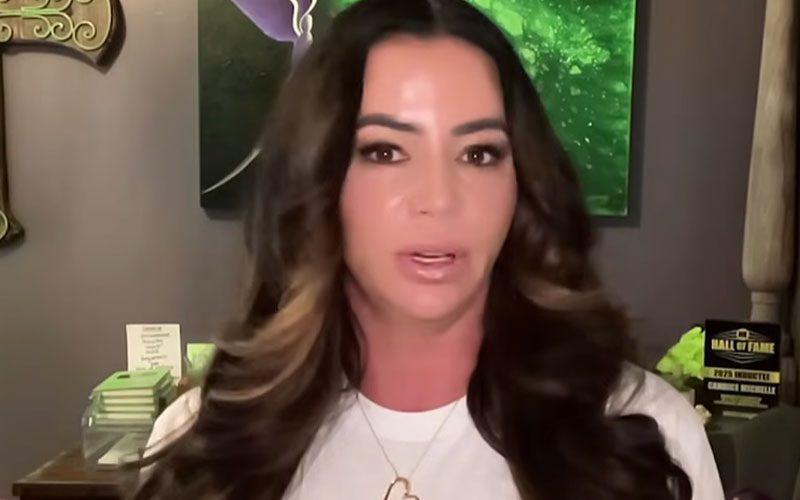
To understand why a veteran might avoid the WWE machine, you have to look at how that machine was built. The developmental system wasn't always the polished Performance Center it is today. In fact, Candice Michelle recently admitted she wrestled WWE matches without proper training.
This isn't just a minor historical footnote. It points to a systemic failure in how WWE historically protected its talent. Throwing untrained performers on live television was a reckless gamble with people's bodies.
We saw the results of that philosophy for years. Sloppy matches, avoidable injuries, and abbreviated careers were the norm for the women's division during the Diva era. It was booking prioritized over safety.
While the modern era is undeniably safer, that corporate mindset lingers. WWE is a content factory first and a wrestling promotion second. The pressure to produce hours of weekly television often overrides the fundamental necessity of preparation.
When Candice Michelle stepped into the ring without knowing the basics, she was placed in an impossible situation by management. It's a stark reminder of the disposable nature of talent in the eyes of the corporate office.
The Bloat of Monday Nights
If you want proof of the content factory at work, look no further than the March 16 edition of Monday Night Raw. The show is an exhausting 3-hour marathon that rarely justifies its runtime.
The highly anticipated face-off between CM Punk and Roman Reigns finally happened. The challenge was accepted, but the execution left a lot to be desired.
Punk's promo meandered for far too long before getting to the point. Reigns did his usual stoic pacing, but the chemistry felt forced. They were filling time rather than building tension. The segment dragged for nearly twenty minutes when ten would have sufficed.
This is my biggest criticism of current WWE programming. The pacing is agonizingly slow. Every major segment features a long entrance, a commercial break, and then a five-minute promo that repeats the exact same talking points from last week.
Elsewhere on the card, we saw two title matches. Both suffered from the same structural problems. The work rate was acceptable, but the commercial breaks ruined any sense of momentum. A hot tag means nothing when we just spent three minutes watching a split-screen ad for insurance.
Misplaced Priorities
The Raw report also noted there was no dancing from Seth's buddies. This feels like a bizarre detail to highlight, but it speaks volumes about the current product. When the absence of a comedy dance routine is a major takeaway, the in-ring action is clearly failing to resonate.
WWE has trained its audience to react to catchphrases and elaborate entrances rather than physical storytelling. The matches are just filler between the viral social media moments.
This brings us back to Eddie Edwards. He is a wrestler who built his reputation on grueling, physical matches. His wars with Davey Richards and Moose are modern classics of the genre.
Why would he trade that environment for a promotion that prioritizes sports entertainment tropes? He wouldn't fit into the current NXT landscape. He is too rugged, too serious, and too focused on the actual bell-to-bell action.
Edwards is making a calculated bet on his own legacy. By staying out of the WWE bubble, he retains his artistic autonomy.
The Verdict
The grass isn't always greener in Stamford. The massive television deals and the global reach come with significant creative compromises. Not every wrestler is willing to make that trade.
Candice Michelle's reflections show us the historical flaws of the WWE system. The March 16 Raw shows us the current bloated reality. It is a massive, unwieldy machine that devours talent and churns out sanitized content.
Eddie Edwards is doing exactly what he should be doing. He is protecting his brand, his body, and his legacy. The dream match is a myth. The reality is much more complicated.
As fans, we need to stop demanding that every talented wrestler eventually signs with WWE. Sometimes, the best career move is saying no to the biggest offer on the table. TNA is a viable alternative, and guys like Edwards prove it every single week.
The wrestling business is healthier when there are multiple thriving promotions. We should celebrate the wrestlers who stay loyal to those alternatives, rather than constantly fantasy booking their eventual departure.
Edwards is a TNA lifer, and there is absolutely nothing wrong with that. In fact, looking at the bloated three hours of Raw, it's the smartest choice he could possibly make.
The Corporate Machine vs. Individual Agency
There is an inherent friction between a massive publicly traded company and the individual artist. WWE operates on a scale that makes micro-managing personal storylines nearly impossible. Talent gets lost in the shuffle. They become cogs in a machine designed to satisfy shareholders, not wrestling purists.
Consider the plight of the mid-card talent on Raw. They are given roughly four minutes of television time to get over. If they fail, they are cycled out for the next batch of developmental call-ups. It's a relentless, unforgiving environment.
This is the environment that created the conditions Candice Michelle spoke about. When the mandate is to produce more content, corners get cut. Training is rushed. Debuts are fast-tracked before the performers are ready for national television.
The consequences of these corporate directives are felt directly by the wrestlers in the ring. The fans see the glossy production values, but they don't see the rushed rehearsals or the panicked rewrites an hour before the show goes live.
Edwards avoided all of this. He spent time in Ring of Honor when it was the premier independent promotion in the world. He went to Japan and learned a grueling, punishing style. He forged his own path.
The Myth of the Wrestlemania Moment
We are constantly sold the idea of the Wrestlemania moment. The video packages tell us that every wrestler grows up dreaming of main eventing the biggest show of the year. But that narrative is manufactured by the company that benefits from it.
Not everyone wants to be a sports entertainer. Some people just want to wrestle. They want to tell stories between the ropes without having to memorize a five-page script written by a former soap opera writer.
The March 16 Raw perfectly encapsulated this problem. The two title matches were technically sound, but they lacked any emotional weight. They felt like exhibition bouts designed to fill a quota. There was no real heat, no visceral hatred between the competitors.
When Punk and Roman clashed on the microphone, it was good, but it felt overly produced. Every pause was calculated. Every insult was focus-grouped. It lacked the raw, unscripted energy of true professional wrestling.
This is the trade-off. You get the pyrotechnics and the massive stadium shows, but you lose the gritty, authentic connection with the audience. It becomes a spectacle rather than a sport.
A Sustainable Career Path
Let's look at longevity. The WWE schedule is famously brutal. Even with recent reductions in house shows, the travel demands are staggering. Performers are expected to be on the road hundreds of days a year.
This takes a massive toll on the human body. We've seen countless careers cut short due to the relentless grind of the WWE schedule. It is an industry that historically chews people up and spits them out.
Edwards has managed to stay relevant and healthy for nearly two decades. He works a manageable schedule that allows him to heal and spend time with his family. He isn't flying from New York to Los Angeles to London in the span of a week.
This sustainable approach to a wrestling career is rarely praised, but it should be. It requires discipline and foresight. It means passing up short-term financial windfalls for long-term physical and mental well-being.
When Candice Michelle was thrust into the ring without training, she was subjected to a system that didn't care about her long-term health. The business has changed, but the underlying corporate indifference remains.
The Final Word
The obsession with NXT crossovers is a symptom of a larger problem in wrestling fandom. We have been conditioned to believe that WWE is the only promotion that matters. Anything else is viewed as a stepping stone.
But the reality is far more nuanced. TNA offers a creative environment where veterans like Edwards can thrive. They aren't relegated to being enhancement talent for the next generation of developmental prospects.
They are treated with respect. They are allowed to call their own matches in the ring. They are given the freedom to fail and try again. This creative liberty is worth far more than a fleeting moment on the WWE Network.
So the next time a rumor surfaces about a TNA star showing up in Orlando, don't hold your breath for Eddie Edwards. He knows exactly who he is and where he belongs. He has seen the chaos of the Monday night bloat and the historical negligence of the corporate machine.
He is choosing the harder, quieter path. And in the long run, it is the path that will ensure his legacy remains intact. He won't be remembered as a nostalgia act. He will be remembered as one of the best wrestlers of his generation.
Funko Pop! WWE: Roman Reigns (Wreck Everyone) Amazon Exclusive
Acknowledge your Tribal Chief in vinyl form.
Frequently Asked Questions
Why is Eddie Edwards avoiding NXT crossover matches?
What does Candice Michelle's experience reveal about WWE history?
What is the primary criticism of modern WWE programming?
How does the author view the current state of TNA?
What happened during the CM Punk and Roman Reigns segment on Raw?
More Coverage

Drew McIntyre sidelined following brutal SmackDown encounter
an hour agoWWE's New York gamble is a calculated risk ahead of WrestleMania 42
2 hours ago
WWE's Saturday Night's Main Event math doesn't add up
2 hours agoWWE's return to New York changes the math on stadium attendance
2 hours ago
Top 10: Top Moments from MSG
2 hours ago
SmackDown is drifting into mid-summer malaise
2 hours agoMore Match Reports
TNA is hiring producers who don't watch the product
1 month, 2 weeks agoCM Punk does not need Roman Reigns to make Raw relevant
3 months, 1 week ago
TNA is signing ex-WWE talent but failing to plug its structural gaps
1 month, 2 weeks ago
NXT needs to stop acting like a waiting room for the main roster
3 months, 1 week ago
Why Candice Michelle is spot on about the locker room ego trap
1 month, 2 weeks ago