The April 13 collision raised inevitable questions
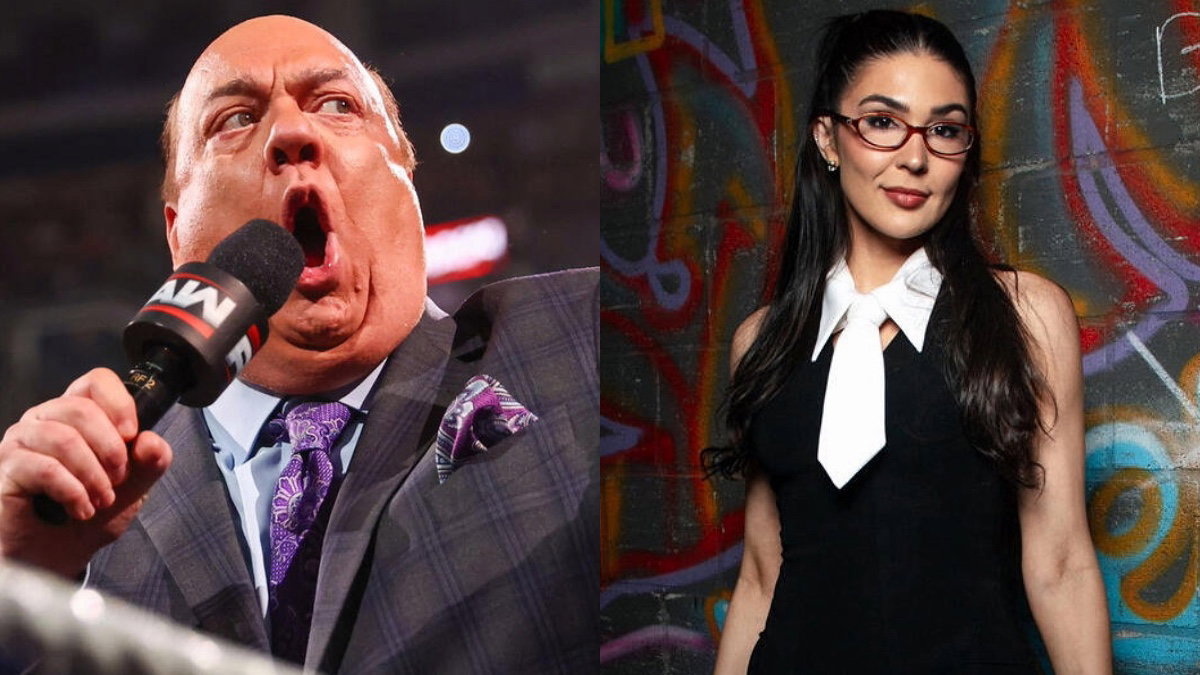
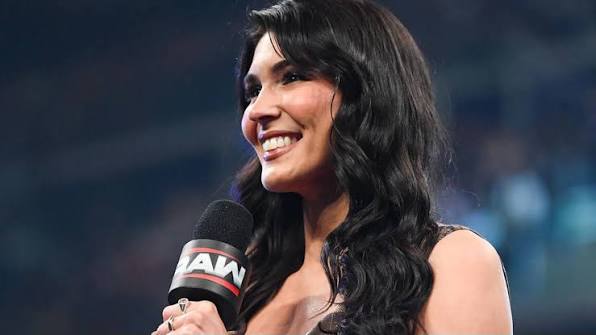
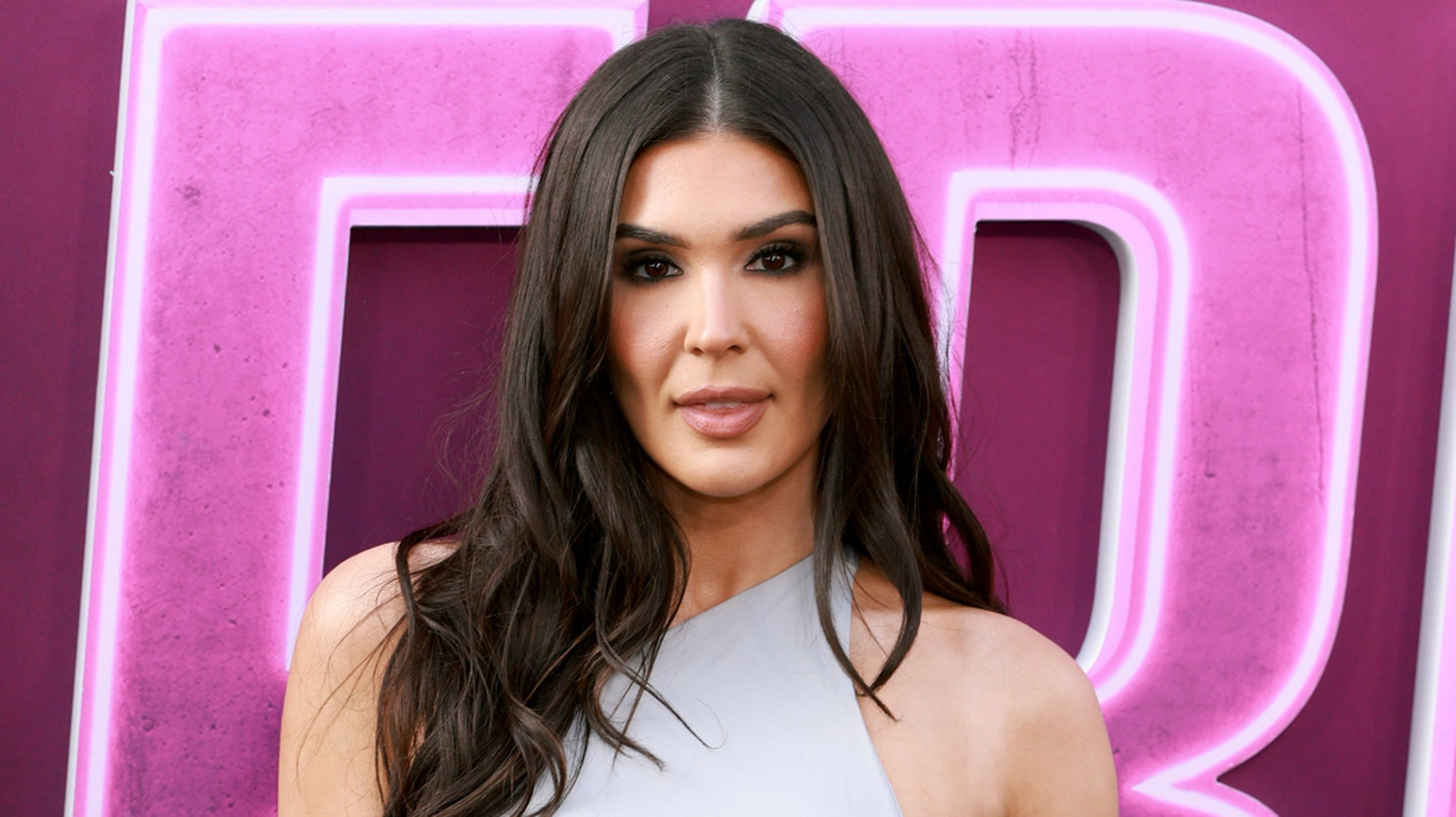
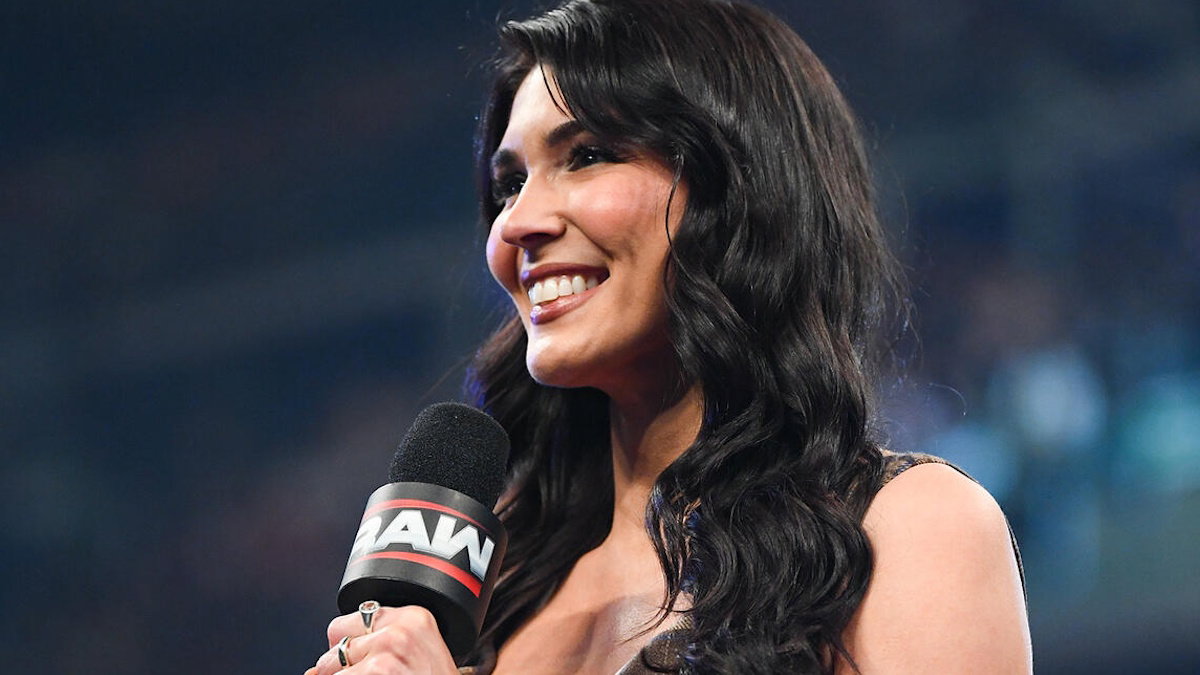
The transition from backstage interviewer to physical participant is a well-trodden path in professional wrestling. However, Cathy Kelley is drawing a firm boundary following her involvement in a chaotic brawl during the April 13 episode of RAW. The incident, which saw Kelley take a significant bump, triggered immediate fan speculation regarding an in-ring career.
Kelley has proactively addressed this buzz, confirming that while she has spent time training at the WWE Performance Center, she has no intention of making an in-ring debut. Her focus remains firmly on her current role, and she has publicly poured cold water on the idea of a transition to active competition. This clarity comes as recent reports indicate a clear delineation between her training and her professional ambitions.
Performance Center drills versus live competition
It is not uncommon for performers to utilize the Performance Center for recreational training or to better understand the mechanics of the bouts they cover. Kelley’s presence in the ring has been functional rather than preparatory for a future match card. Her assessment of her own trajectory suggests she is more interested in the managerial side of the business.
In recent interviews, Kelley stated she would embrace a managerial role if it were offered, viewing it as a logical evolution of her on-screen character. This alignment with the managerial role contrasts sharply with the physical risk of in-ring work. As noted in previous coverage, she views her training as a tool for personal development rather than a prelude to a wrestling career.
Transparency on personal health
Beyond the physical bumps of the job, Kelley has shared significant personal news, recently announcing her autism diagnosis. By choosing to speak openly about this, Kelley joins a growing cohort of public figures normalizing neurodivergence. This level of honesty is rare in an industry that traditionally prizes kayfabe above individual identity.
Sharing such information provides context to how talent navigates the high-pressure, sensory-heavy environment of live television. While it has no direct bearing on her ability to perform her current duties, it offers fans a look behind the curtain of the reality shows currently populating the WWE docket, such as the newly discussed potential reboots.
The strategic disconnect
There is a discernible mismatch between fan expectations and Kelley’s personal career goals. Social media is often quick to project a future for any personality who takes a bump, forgetting that the talent usually has a long-term plan that does not involve standard 1-2-3 counts. Her vocal rejection of an in-ring path is perhaps the most honest piece of booking news to come out of the backstage team this spring.
Furthermore, her name was linked to potential reality television opportunities, including an attempted pivot to ABC’s The Bachelorette by Joe Tessitore. These ventures, coupled with her potential interest in a Total Divas reboot, suggest her career trajectory is leaning toward personality-driven content rather than athletic storytelling. As explored by industry analysts, leveraging her personality in non-wrestling formats appears to be her primary professional objective.
A critical look at current booking
The reliance on backstage interviewers to inject physicality into weekly shows carries inherent risks. Relying on non-wrestlers to take bumps is a tired trope that rarely yields long-term payoffs. When talent like Kelley states they are not interested in a wrestling career, forcing them into physical altercations can feel like a missed opportunity to focus on their actual strengths.
The WWE needs to be careful not to pigeonhole their best communicators into roles that necessitate physical risk. If the goal is to build a modern managerial class, the focus should remain on mic time and narrative importance. Dragging legitimate on-air staff into the thick of the action is a strategy that produces noise, not necessarily better television.