The politics of a polished broadcast
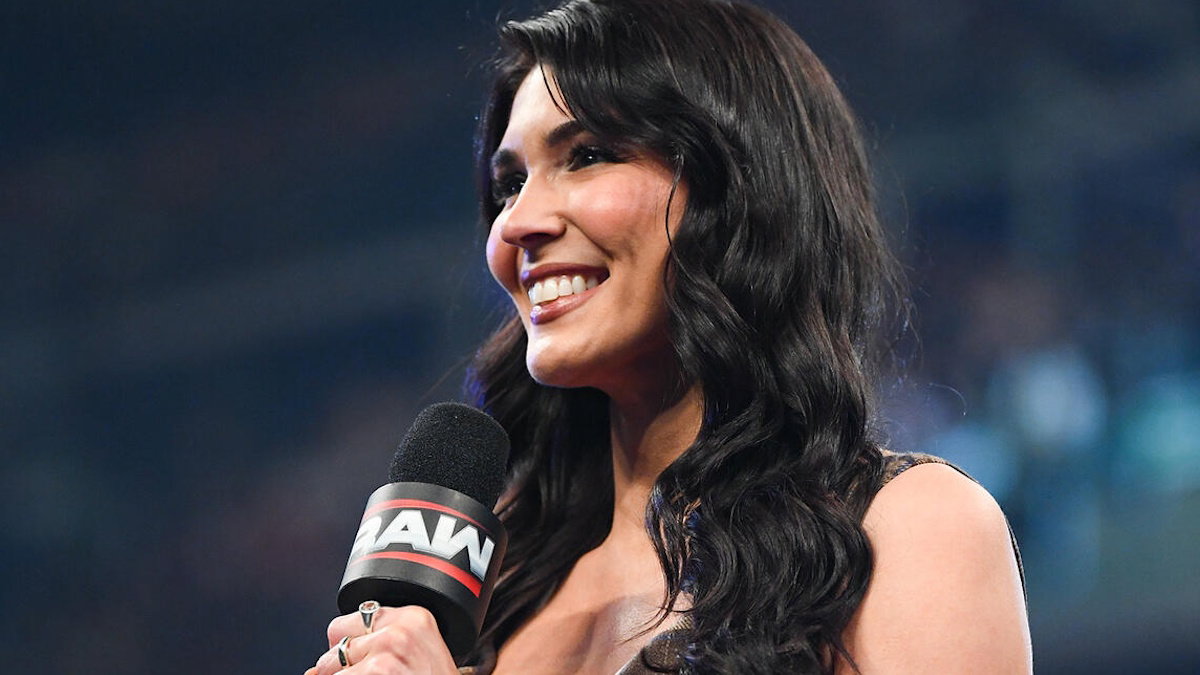
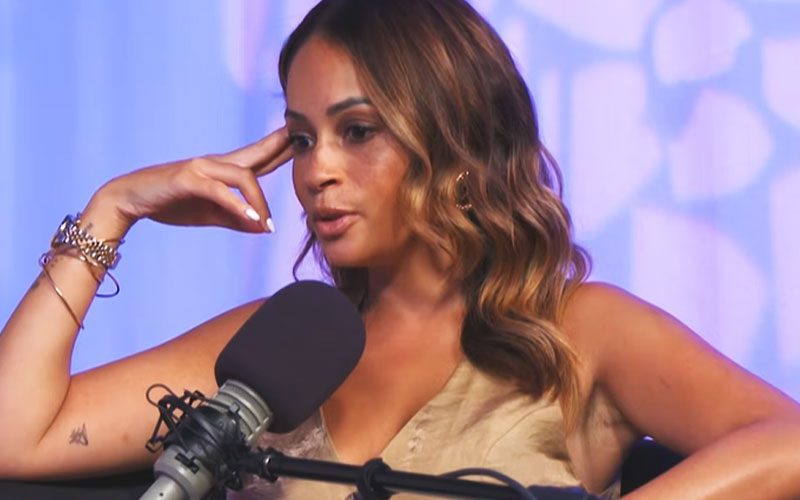
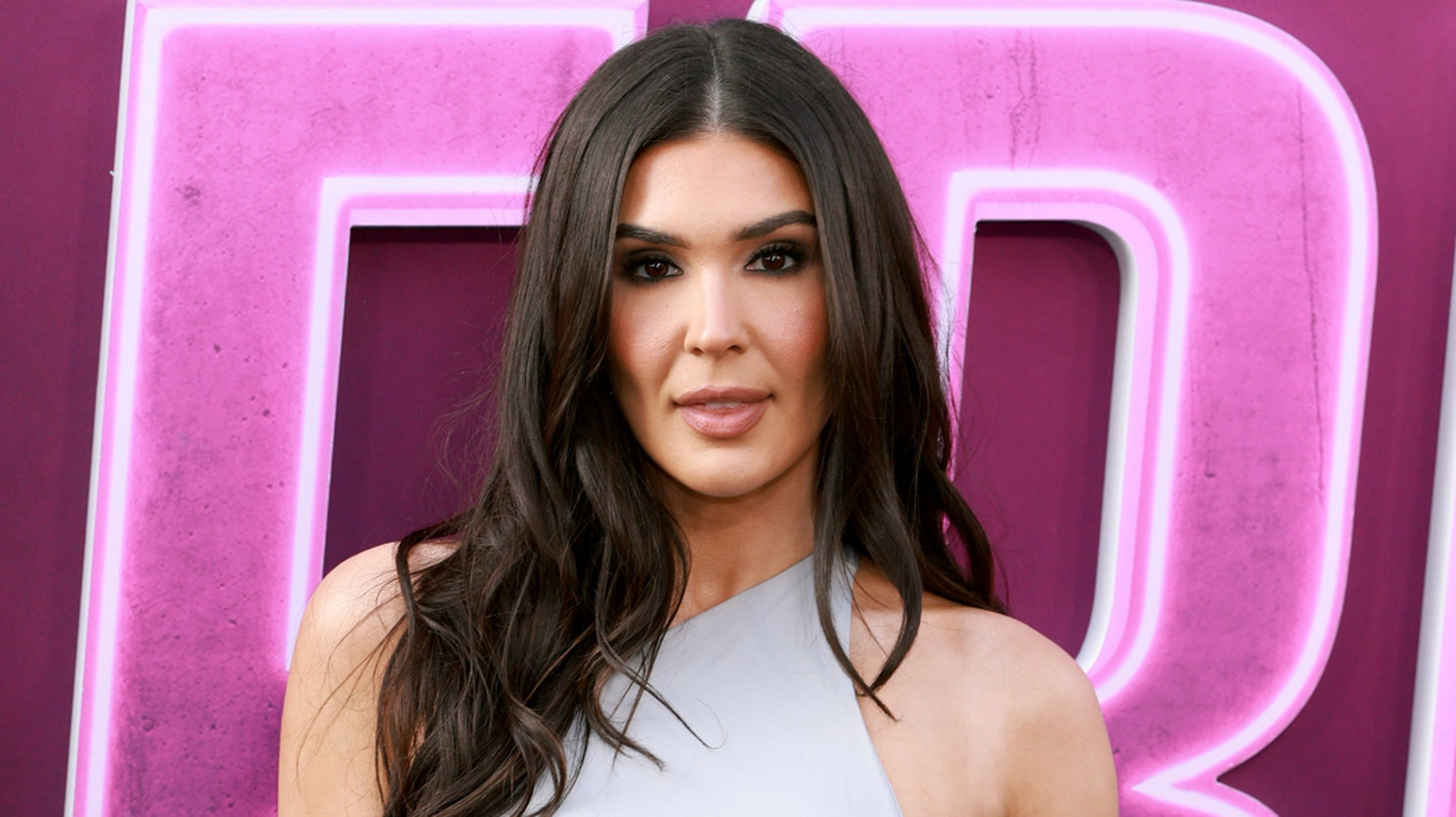
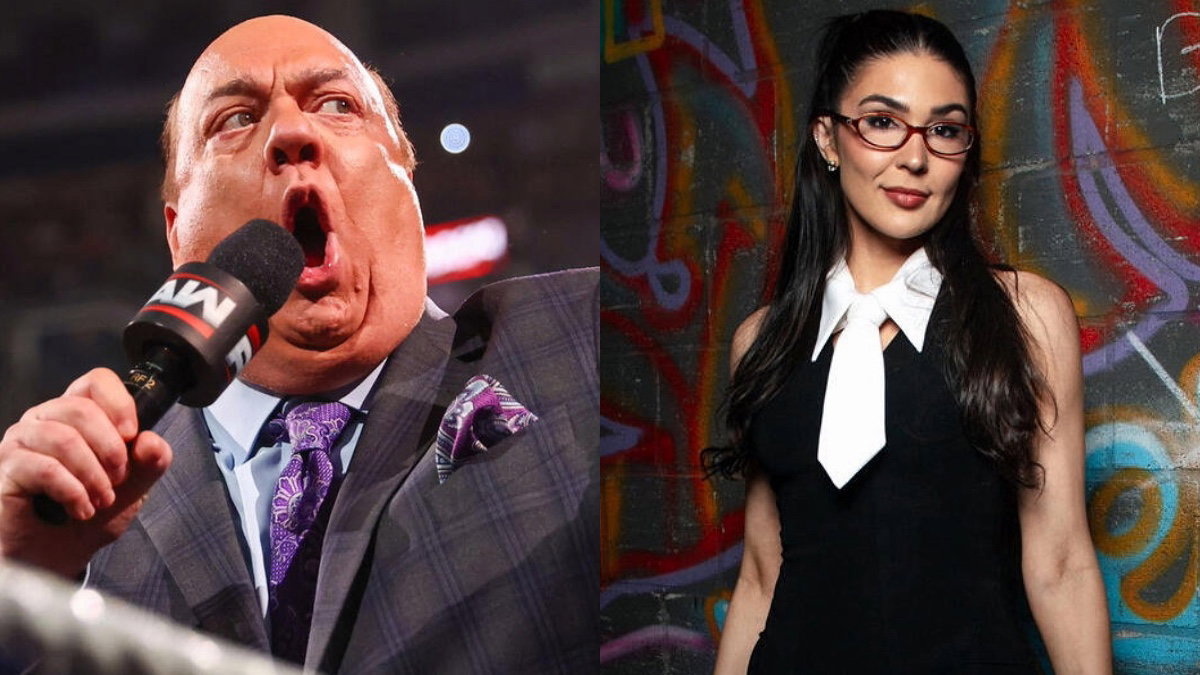
In wrestling, optics occupy the same space as athletic execution. A recent interview with Cathy Kelley reveals the specific, often grueling standards required to survive on camera for a multi-billion dollar operation. Kelley recounted an interaction with Paul Heyman during her earlier stint in WWE, where he demanded she abandon her glasses immediately.
The logic provided by the Hall of Famer was stark. He argued that the barrier of glass prevented the viewer from reading the emotional state of the broadcaster. In the world of sports entertainment, the eyes are not just sensory organs — they are the primary tools for selling a scripted narrative to a global audience.
The evolution of a broadcast professional
Kelley’s resilience in navigating these demands is a prerequisite for a role that requires constant calibration. As WrestleTalk reported, these micro-adjustments to her visual presentation were not suggestions; they were mandates from a veteran who treats television production like a science.
This pressure to conform to an internal aesthetic threshold can alienate talent who prioritize comfort over commercial viability. Yet, the result is the polished product currently seen during high-stakes segments. Managing the intersection of personal identity and character performance remains the central paradox for backstage interviewers.
The cracks in the presentation
My frustration with this dynamic is twofold. First, it forces high-caliber talent to expend energy on superficial adjustments instead of purely sharpening interviewing technique. Second, it creates an atmosphere where authenticity is sacrificed for a rigid house style that feels increasingly dated.
There is a recurring issue in how backstage interviewers are utilized today. They are tasked with extracting genuine emotion during chaotic beatdowns, yet the production team simultaneously demands they look perfect while doing it. It turns sequences that should be gritty into orchestrated photo shoots.
Predicting the impact
Looking ahead to the next cycle of programming, expect the broadcasting style to remain static. WWE prioritizes consistency above all, and the Heyman-style doctrine of 'eyes on camera' will continue to override individual stylistic choices.
I expect Kelley to continue distancing herself from these rigid expectations as she gains more equity in her role. She will likely push back on the 'perfect' look in favor of more natural delivery. My prediction: within the next 6 months, we will see a shift toward a less polished, more organic interview style as the brand continues to modernize its presentation.