The backstage landscape shifts
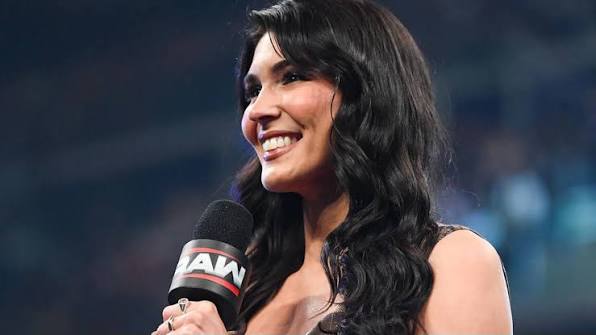
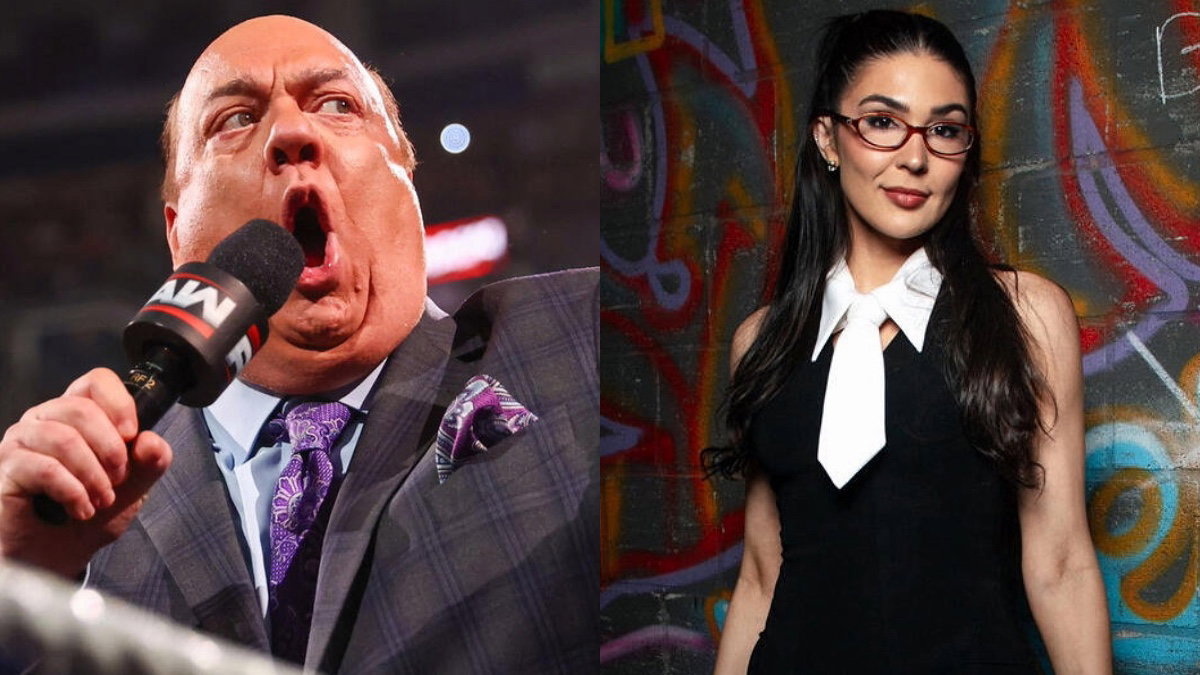
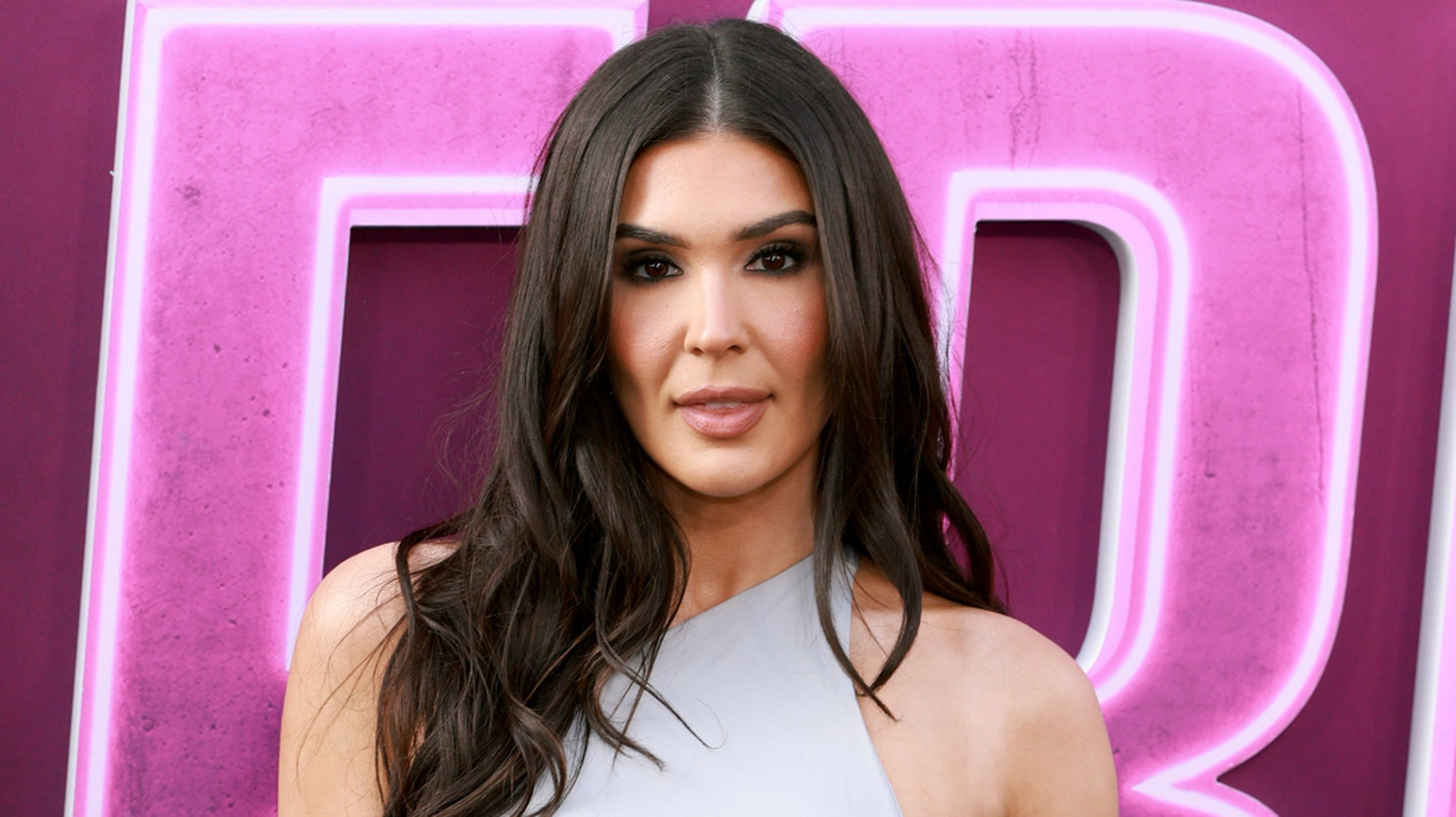
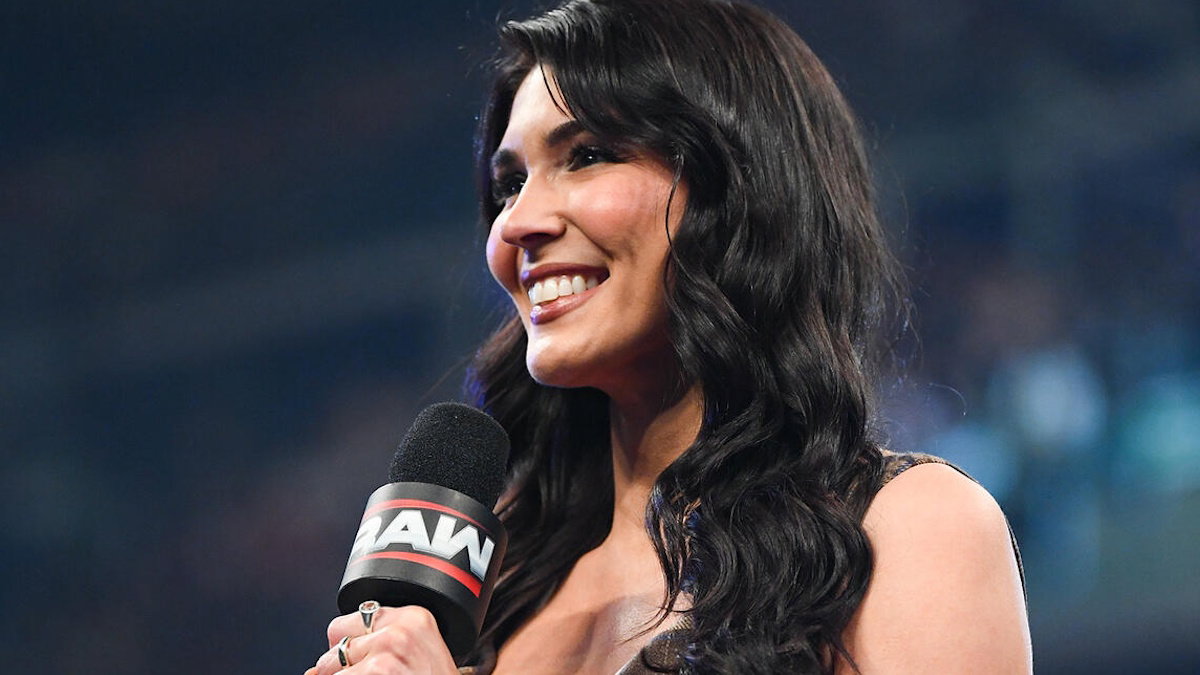
Cathy Kelley has become a staple of the WWE broadcast team. Her ability to navigate high-stakes interview segments during marquee events has earned her consistent praise, yet internal whispers suggest her role might be evolving. With her recent public disclosure regarding her autism diagnosis, the support from fans and peers has been overwhelming. However, industry insiders are now questioning what this means for her day-to-day schedule.
Contractual ambiguity
Multiple sources close to the situation indicate that Kelley is currently navigating a period of internal transition. While there is no confirmation that she is actively seeking an exit, the silence regarding a long-term extension has become noticeable. WWE frequently recalibrates its broadcast staff. If Kelley were to move on, she would be the most high-profile departure from the desk since several high-level production shakeups earlier this year.
The appeal of the independent market
Should Kelley hit the open market, the interest will be immediate. Promotions looking to bolster their production quality see her as a turnkey solution for legitimacy. She brings a specific skill set developed during her tenure at the company. Unlike many personalities who struggle to pivot, her background suggests a seamless transition to content creation or high-level journalism outside the wrestling bubble.
Her current workload includes extensive travel and high-pressure live environments. As noted by the coverage from WrestleTalk, she is rightfully focused on her well-being following her recent diagnosis. This awareness of her own needs might drive a career shift. Reducing the grind of the 52-week television schedule is a logical step for anyone in her position.
Creative direction and potential
The potential for a move is not just about leaving; it is about autonomy. WWE production is rigid. Everything from a lighting cue during an interview to the specific phrasing of a question is heavily supervised. Kelley working on a project where she controls the narrative, the pace, and the tone would be a drastic departure from her current environment.
Critics would point to the risk of leaving a premier platform. Losing the reach of the WWE machine is a gamble for any performer or journalist. If she leaves, she trades reach for creative stability. That is a massive pivot for a career that has been defined by corporate structure.
Assessing the probability
At this moment, the likelihood of a departure remains low to moderate. Most sources categorize the situation as a pause rather than a rift. The communication between Kelley and the front office is reportedly positive. She remains a professional who takes her responsibilities seriously, rarely missing a segment or failing to prep for a high-intensity interaction.
The timeline for any change would likely correspond with the next wave of corporate fiscal evaluations. If no announcement regarding a new deal is made by the time the next major premium live event arrives, speculation will inevitably intensify. Fans should treat any claims of a firm exit date as pure fiction for the time being.
Expected impact of a transition
If Kelley were to leave, the impact on the broadcast team would be immediate. WWE has cycled through several interviewers, but few possess her specific cadence. Finding a replacement who can effectively manage chaotic segments and extract coherent reactions from performers during live broadcasts requires a specific talent. The company rarely develops such talent from scratch without significant trial and error.
Ultimately, this is a story about a high-level performer taking stock of her career. Wrestling fans often project their desires onto these contract periods, but professional decisions are rarely about fan narrative. They are about life logistics, scheduling, and personal fulfillment. Regardless of where she lands, the broadcast standard she has set will continue to define expectations for the role.
The 100% certainty of her staying is no longer the prevailing assumption in the backrooms. Observers are watching the screen more closely for subtle changes in the programming flow. Until a formal status change occurs, the status quo persists, but the atmosphere has undoubtedly become more uncertain compared to the start of the year.