The Architect of Ring Psychology
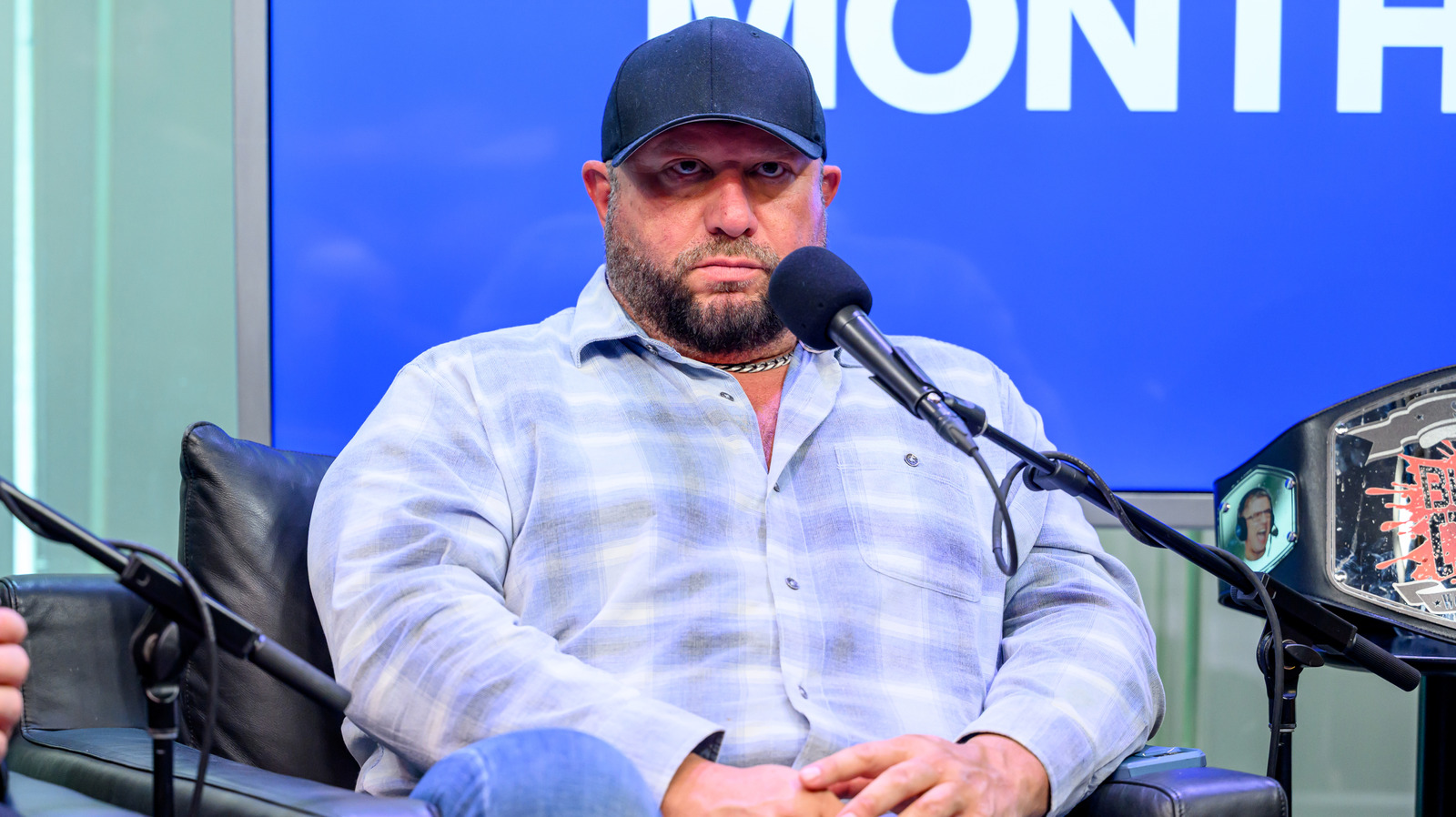
Bully Ray has transitioned from a legendary tag team specialist into the business’s most prominent radio contrarian. His analysis on Busted Open Radio often highlights where creative teams miss the mark, focusing on character work rather than just work rate.
These are the ten most poignant, frustrating, or insightful opinions he has voiced regarding industry movements as of April 29, 2026. This list captures the high stakes of current booking room decisions.
The Ranking of Critical Takes
- The Cody Rhodes and Randy Orton Experiment: Ray recently slammed a headline storyline involving these two as an experiment that failed miserably. He argues that the internal logic fell apart, turning what could have been a peak rivalry into a slog. It lands at number one because it challenges the untouchable status of WWE’s golden boys.
- The Zoey Stark Departure: Ray is adamant that Zoey Stark is a massive loss for the midcard. He believes her technical proficiency and intensity are assets that should have kept her in the rotation. His argument centers on her ability to carry shorter segments where character development is restricted.
- The Bo Dallas Utility: According to WrestlingNews.co reports, Ray viewed Dallas as the essential bridge to the Wyatt legacy. He sees the decision to release him as a creative blunder that severed a multi-generational emotional thread. It ranks high because it addresses the loss of emotional connective tissue in modern booking.
- The AEW Opportunity for Stark: Moving beyond the WWE release, Ray posits that AEW is the ideal landing spot for anyone with Stark's skill set. He claims that a five-minute window for a promo or match is enough to force an audience connection. This highlights his belief that talent simply needs a platform to breathe.
- Tag Team Structure Criticisms: Ray frequently bemoans the state of tag team wrestling when it loses its identity. He holds a firm opinion that modern teams rely on high spots rather than tag psychology. It is a cynical take, but one that resonates with veteran wrestling fans.
- The Need for Managers: He remains a vocal advocate for the return of the full-time manager role. Ray argues that modern wrestlers are forced to handle too much talking while losing focus on their ring personas. He believes this is a simple fix that requires minimal financial investment.
- Midcard Title Value: Ray suggests that midcard championships have become props rather than prizes. His take is that unless the holder possesses a specific drive for competition, the belt creates a stagnant weekly segment. He is particularly critical of booking that treats these belts as an afterthought behind main event feuds.
- The Pacing of Television: One of his recurring complaints is that shows are too long for the audience to sustain interest in character arcs. He argues that two hours of meaningful content is better than three hours of filler. It is a sentiment that mirrors the frustrations of the modern cord-cutting fan base.
- The Selling of Moves: Ray famously critiques the current tendency to ignore legitimate damage in favor of keeping the action moving fast. He claims that selling is a lost art that distinguishes legends from jobbers. It ranks lower simply because of how often he pivots to other topics.
- The Crowd Engagement Equation: He believes that wrestlers who do not force reactions from the back row will never be top-tier stars. His focus on the 'live house' reaction is a staple of his commentary. It sits at ten because it is a foundational truth he repeats constantly.
The Big Picture
Bully Ray functions as the vocal stand-in for the grizzled veteran who remembers the territory days. While his views can be dogmatic, they provide a necessary friction against the smoothed-out, corporate presentation of major promotions. He remains a must-listen because he demands an emotional ROI from every segment on television.
Honorable Mentions: His critique of non-finish endings and his insistence that promos for pay-per-views should feature less posturing.