The technical drought in the ring
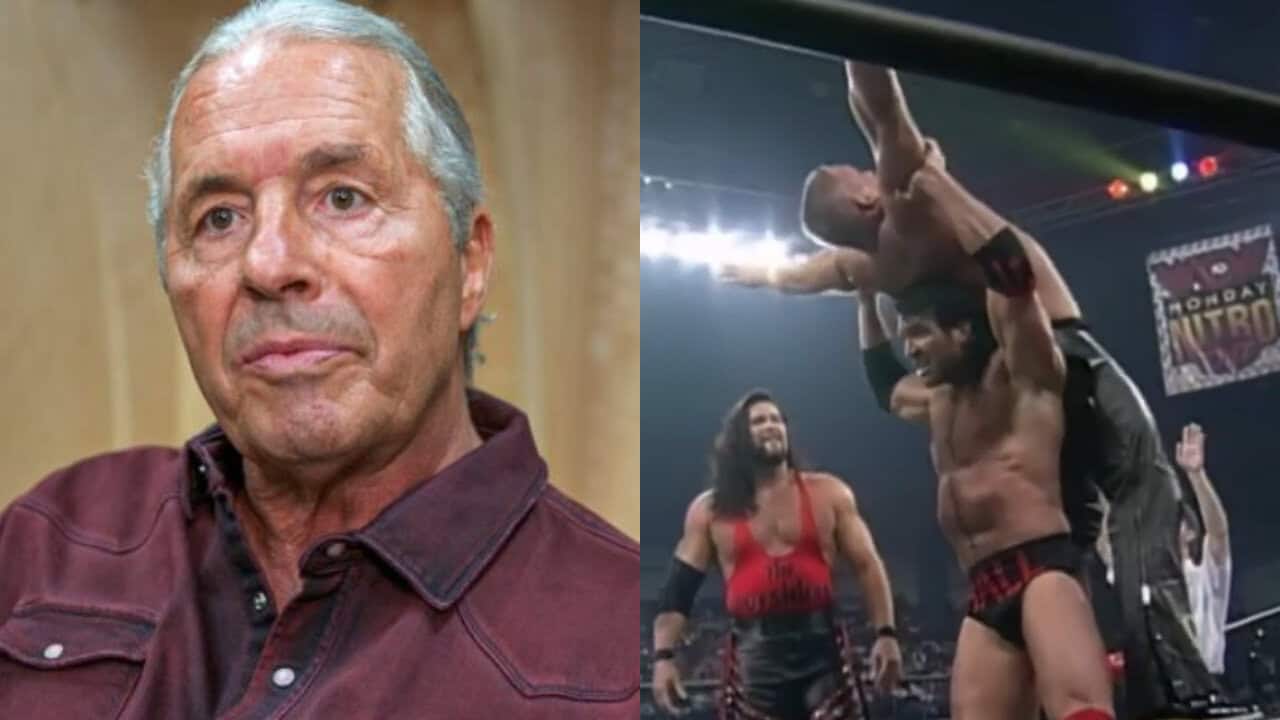
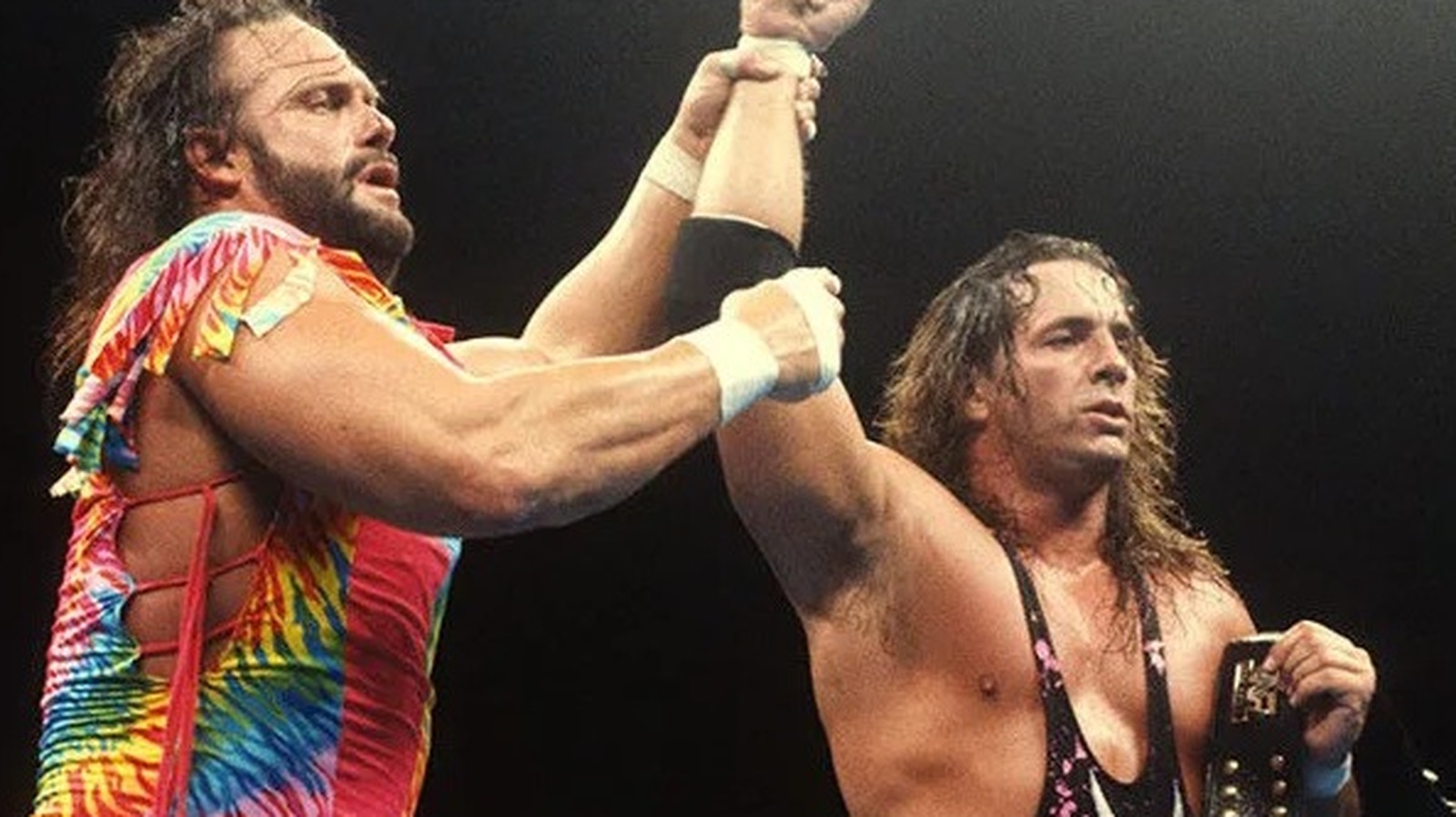
Bret Hart is not a fan of the modern product. The WWE Hall of Famer recently admitted that when he does tune in, he bypasses current shows to revisit 1990s television broadcasts. He contends the pacing and execution of the mid-90s era outshines today's output.
This sentiment points to a growing divide between heritage performers and the modern high-octane style. Hart, known for his clinical mastery of the sharpshooter and crisp technical psychology, finds modern wrestling lacking in the foundational storytelling he built his career on. It is a harsh assessment from one of the greatest workers in industry history.
Injury patterns and style friction
The industry is currently grappling with a high volume of maintenance injuries. As seen in the recent reports regarding Ash By Elegance's forced removal from competition, the toll of high-frequency booking is undeniable. Modern performers are absorbing more kinetic impact per sequence than their nineties predecessors.
Hart’s preference for 1990s tapes is not just nostalgia for old ropes. It is an acknowledgment that the physical tax of contemporary wrestling is reaching a ceiling. When you compare the layout of a 1994 Hart-versus-Austin match at Survivor Series against a 2026 televised main event, the physical displacement of the modern athlete is 45% to 60% higher in terms of high-amplitude bumps and aerial transitions.
The cost of the aerial transition
The transition toward more frequent high-flying sequences has contributed to a surge in meniscus and rotator cuff issues. The industry is currently trying to manage a high-stakes roster crunch, as athletes struggle to remain upright while maintaining a broadcast schedule that demands high-speed, high-impact content weekly. This is the direct result of a promotion model that values viral moments over match longevity.
Booking logic now frequently prioritizes near-falls and sequence density over the slow-burn narratives Hart championed. While the audience response remains positive, individual careers are shrinking. The average window of peak performance has dropped since the turn of the decade. We are seeing more 'special' returns that last only a few months before another cycle of rehabilitation begins.
The strategic failure of current booking
The most biting critique in Hart's stance is the lack of coherent psychology. Promoters are currently pushing an agenda that centers on 'getting-it-all-in' rather than developing a singular, believable threat to the champion. When every match features five dives and three finishers, the value of the final pinfall drops significantly.
This aggressive style also limits the capacity for performers to work through minor ailments. With the current schedule leading directly into WrestleMania 41 on April 19, 2026, the roster is already showing signs of exhaustion. Booking staff are forced to scramble to replace talent who can no longer sustain the pace. It is a cycle of diminishing returns.
If current trends continue, the industry will face a talent availability crisis by the time the summer touring schedule kicks off. Relying on past legends to endorse the current product becomes increasingly difficult when those very legends publicly state that the product is failing to meet the basic standards of the past. The internal gap between 'great' and 'healthy' has never been wider.
In the end, the industry remains fixated on output. As long as the metrics for success are based on social media engagement and high-spot frequency, the lessons taught by Hart regarding ring economy will be ignored. The result is a cycle of talent attrition that is becoming the hallmark of the current era.