The Executive Perspective vs. The Medical Reality
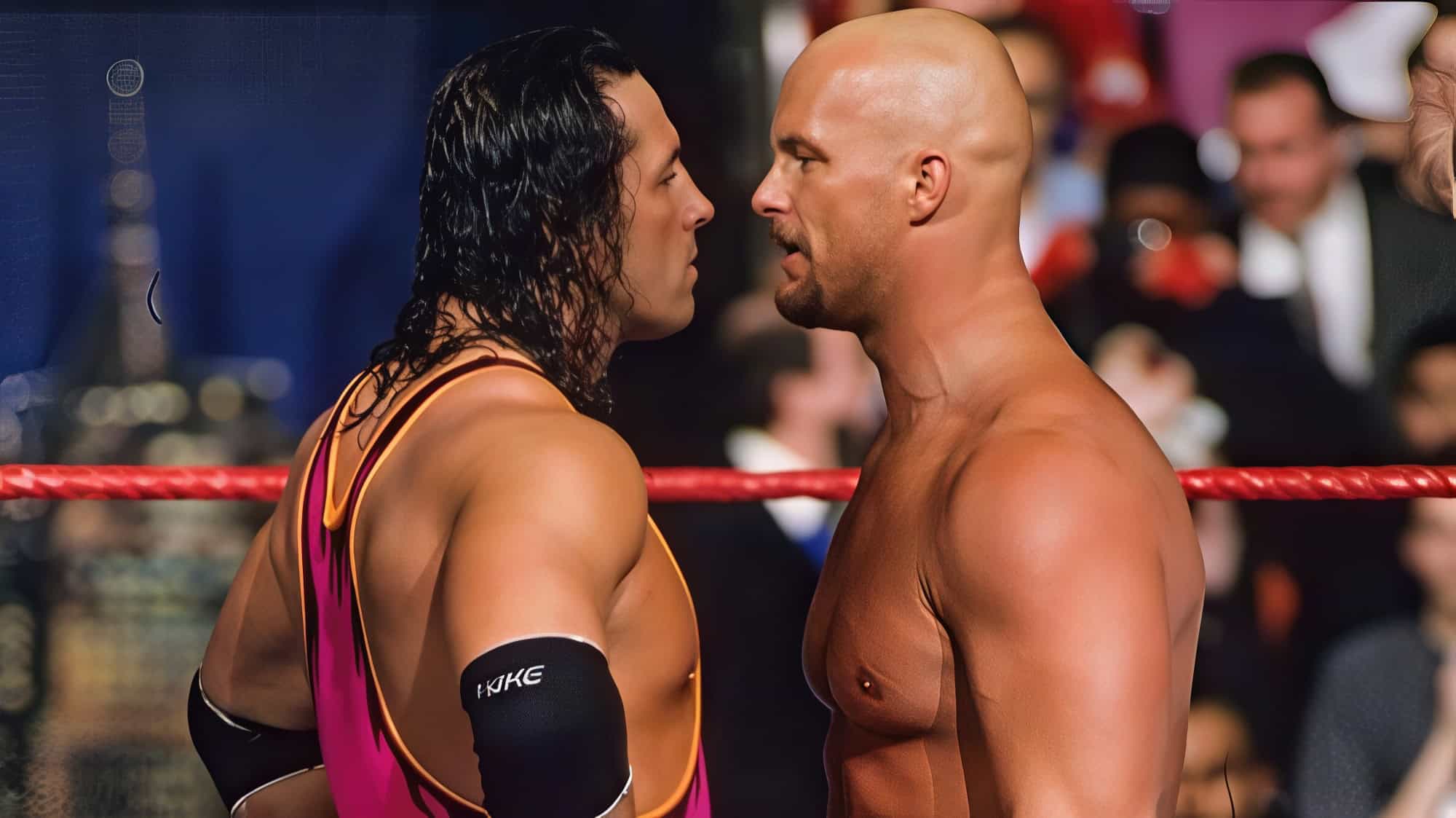
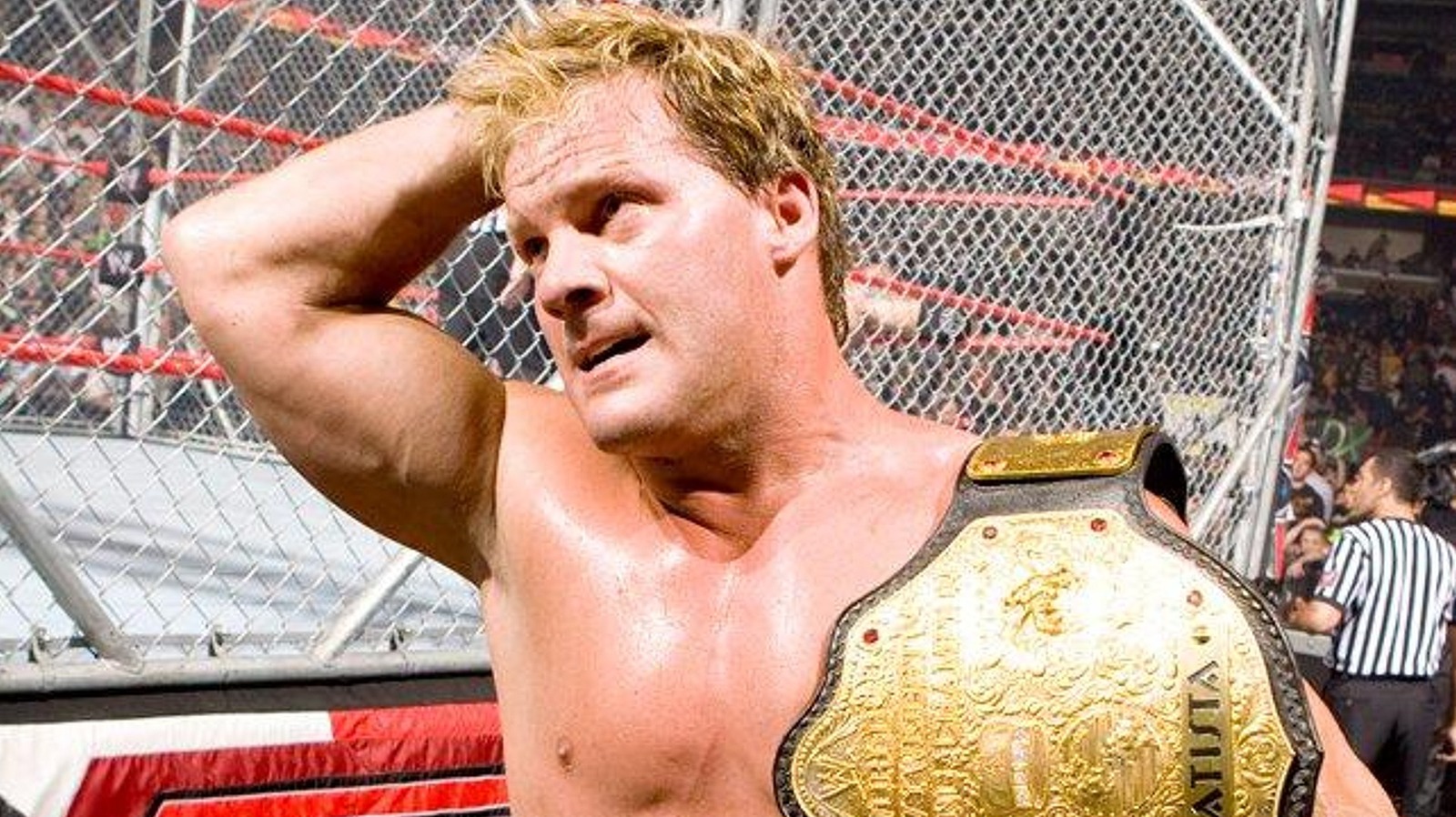
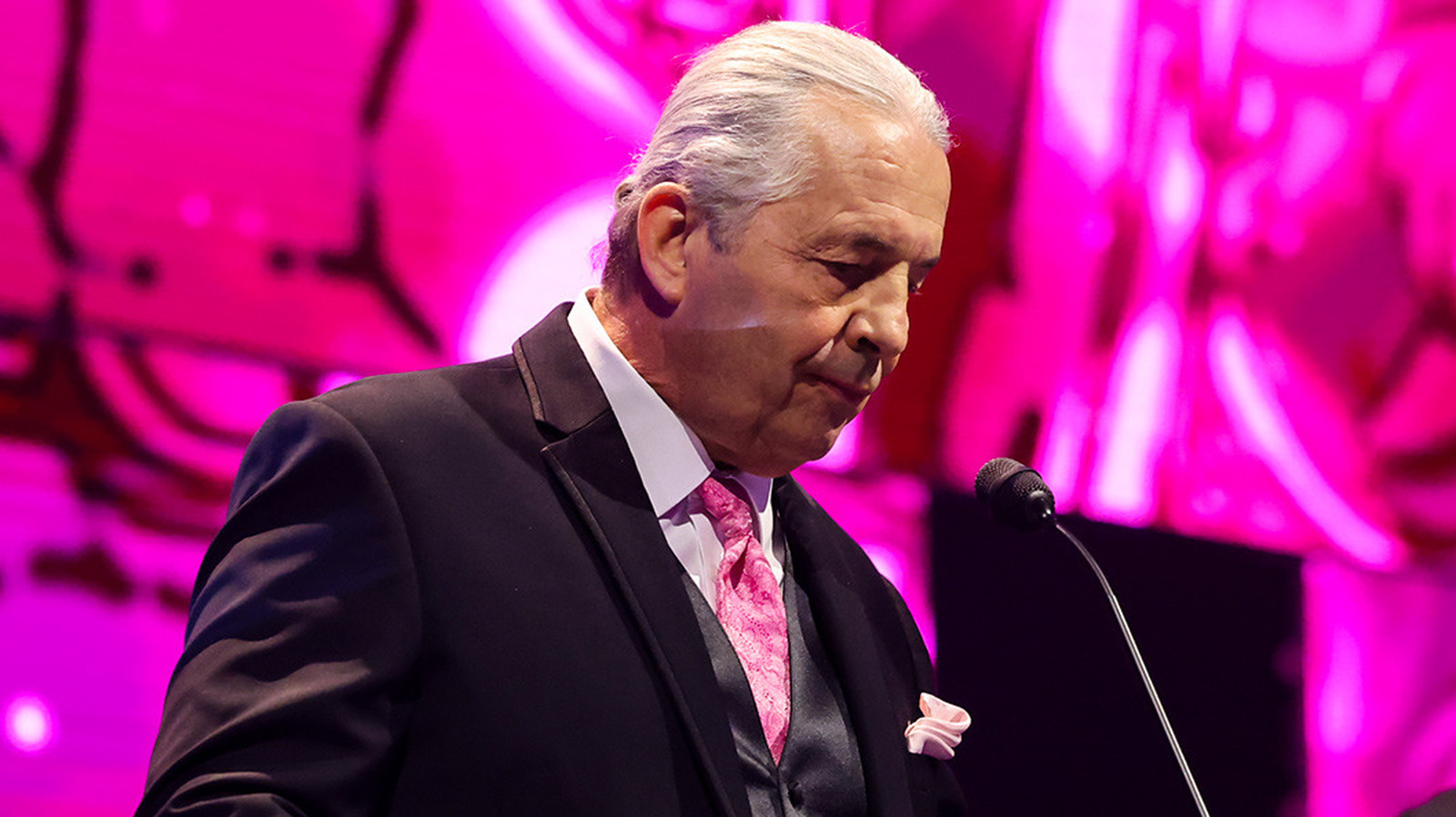
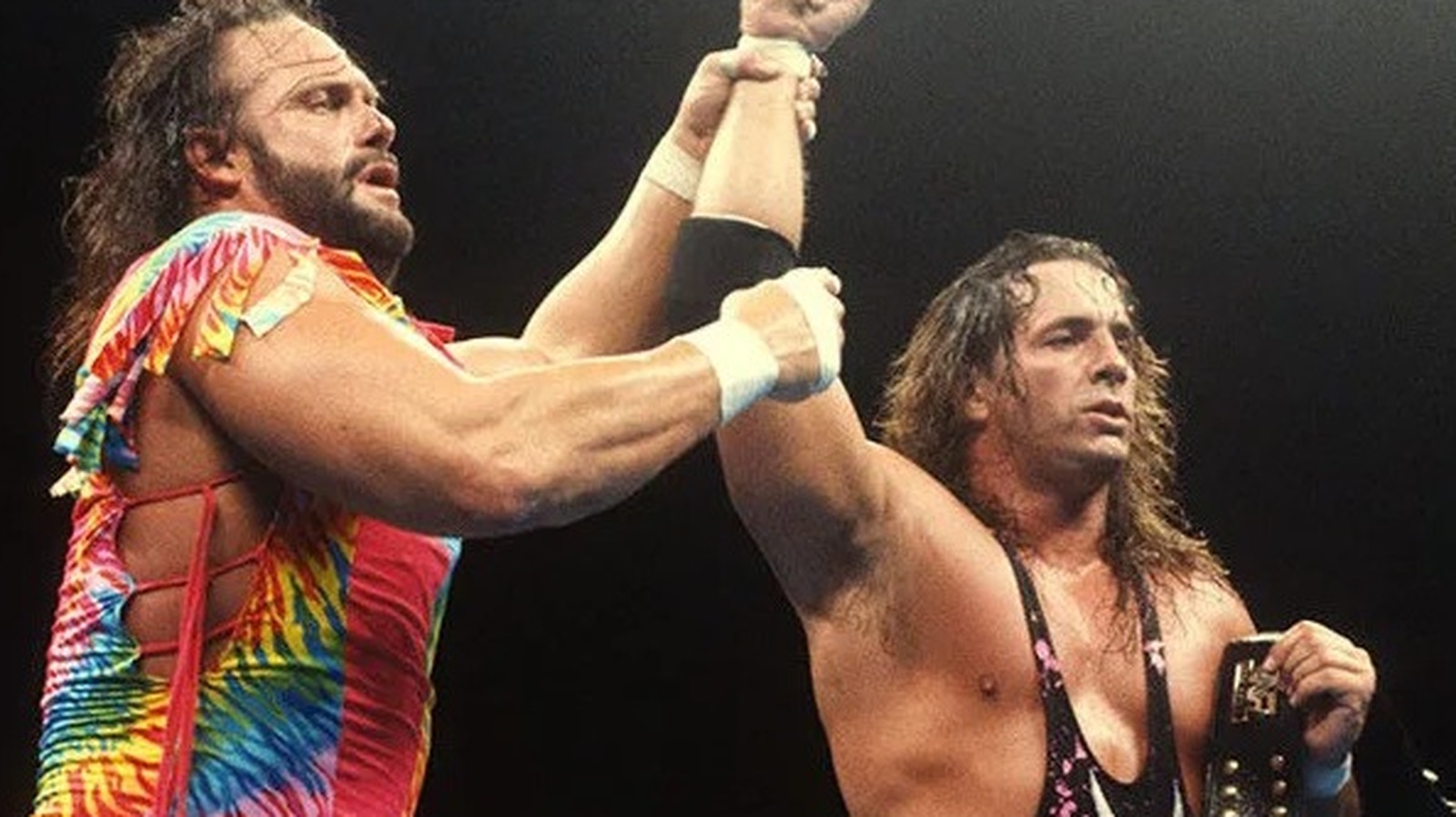
Eric Bischoff never shies away from revising history. The former WCW executive recently opened up about "Macho Man" Randy Savage and Bret "The Hitman" Hart, bluntly stating there was "something missing" from their runs under his watch. Bischoff focuses heavily on the psychological and character aspects of their tenures. He claims Savage was consumed by paranoia. He argues Hart arrived in Atlanta completely devoid of passion following the Montreal Screwjob.
But Bischoff is telling half the story. The executive perspective conveniently ignores the medical reality. You cannot analyze the late-career trajectories of either Randy Savage or Bret Hart without looking at their physical deterioration. These were not just aging stars losing a step. They were elite athletes wrestling through severe, unmanaged trauma in an era with nonexistent medical protocols.
Randy Savage: Working on Borrowed Knees
When Savage arrived in WCW in late 1994, he brought instant credibility and a massive Slim Jim sponsorship. He also brought a body that had been relentlessly punished for twenty years. Savage was famous for his obsessive, step-by-step match planning. He scripted his iconic WrestleMania III bout with Ricky Steamboat down to the exact sequence of arm drags.
Bischoff often cites this rigidity as a negative. He preferred the chaotic, improvisational style of the New World Order. But Savage’s reliance on strict choreography was not just a psychological quirk. It was a physical necessity.
By 1997, Savage’s knees were completely shot. He was working with degraded cartilage and severely damaged ligaments. He suffered a torn ACL that required major reconstructive surgery. In today’s sports medicine environment, an ACL tear demands at least nine to twelve months of grueling rehabilitation. Savage rushed back. He altered his style, relying more on heavy brawling and less on the high-flying agility that defined his prime.
The physical toll directly impacted his television presentation. When your knees can barely support your body weight, your in-ring timing vanishes. Savage compensated by leaning into his erratic, intense character work, hiding his physical limitations behind sheer aggression. Bischoff saw a wrestler who was overly rigid. The reality was a performer desperately trying to protect his failing joints while maintaining his spot at the top of the card.
Bret Hart: The Thrust Kick That Ended a Legacy
If Savage’s decline was a slow deterioration, Bret Hart’s was a violent, sudden stop. Bischoff heavily criticizes Hart’s WCW run, noting a lack of fire and connection with the audience. There is truth to the assertion that Hart felt creatively stifled. But the narrative abruptly shifts on December 19, 1999.
At Starrcade 1999, Hart defended the WCW World Heavyweight Championship against Bill Goldberg. Midway through the match, Goldberg delivered a stiff thrust kick directly to Hart’s head. The impact was sickening. Hart suffered a severe Grade 3 concussion instantly. He hit the mat completely unconscious, suffering a secondary impact as the back of his head bounced off the canvas.
In any modern athletic setting, the match would be immediately stopped. The medical staff would stabilize the neck and initiate concussion protocols. In 1999 WCW, Hart finished the match. Worse, he continued to wrestle for weeks.
Hart worked matches against Chris Benoit, Terry Funk, and Kevin Nash while suffering from advanced post-concussion syndrome. The medical negligence is staggering. Wrestling multiple times with a severe, untreated brain injury compounds the trauma exponentially. Second-impact syndrome is a fatal risk in these situations. Hart was experiencing severe memory loss, blinding headaches, and extreme sensitivity to light.
The Neurological Aftermath
The diagnosis eventually came down. Post-concussion syndrome. How long was he expected to be out? Forever. The Goldberg kick forced Hart into immediate retirement. He surrendered the WCW Championship in January 2000 and never wrestled a full-time match again.
The medical implications did not end with his retirement. The severe trauma to Hart’s brain altered his life permanently. In 2002, Hart suffered a debilitating stroke after a bicycle accident. While the stroke was triggered by the fall, neurologists have frequently noted that prior severe head trauma can leave the brain far more vulnerable to subsequent vascular events.
Hart spent years in grueling physical therapy simply relearning how to walk and speak. He lost mobility on his entire left side. The fact that he recovered enough to make sporadic, heavily protected WWE appearances a decade later is a medical anomaly. He survived, but the athlete known as the Excellence of Execution was gone.
A Critical Look at WCW Medical Protocols
This is where Bischoff’s critique falls completely flat. He demands to know what was missing from these legends. What was missing was a medical system that protected the talent.
WCW operated with a reckless disregard for roster health. There were no baseline concussion tests. There was no mandatory injury reporting system. If a wrestler could tape up an injured joint and physically walk through the curtain, they were cleared to perform. The sheer negligence of allowing Bret Hart to wrestle a hardcore match against Terry Funk just days after suffering a massive brain injury is a stain on the company’s legacy.
Bischoff is right that the WCW versions of Hart and Savage felt different from their WWE primes. But to blame that entirely on psychological factors or a lack of motivation is deeply flawed analysis. Savage was dragging two blown knees around the ring, desperately trying to keep up with younger talent. Hart was a clinical disaster walking, his brain essentially shutting down while management booked him in meaningless television matches.
The Modern Reality
If these injuries occurred today, the reality of their careers would be completely different. Savage’s knee issues would have been managed with modern orthopedics and proper load management. He would have missed a significant portion of the 1998 schedule, but his career might have been extended by five years.
Hart’s situation is even more clear-cut. Following the kick at Starrcade, he would have been sidelined immediately. He would have missed the entirety of the early 2000 schedule. He would have been subjected to rigorous neurological testing. A forced, immediate rest period could have potentially mitigated the long-term post-concussion symptoms. He might have been able to finish his career on his own terms.
Instead, they were ground into dust. The professional wrestling industry has finally learned from these tragedies. WWE and AEW now employ strict medical protocols, independent doctors, and mandatory concussion testing. When an athlete gets rocked today, the match is stopped. It is a necessary evolution, paid for in blood by the previous generation.
Eric Bischoff can sit behind a microphone and dissect the character flaws and creative missteps of Randy Savage and Bret Hart. He can claim there was a missing spark. But the medical charts tell the real story. What was missing was a safe working environment. What was taken from them was their health.