The disconnect between modern risks and technical safety
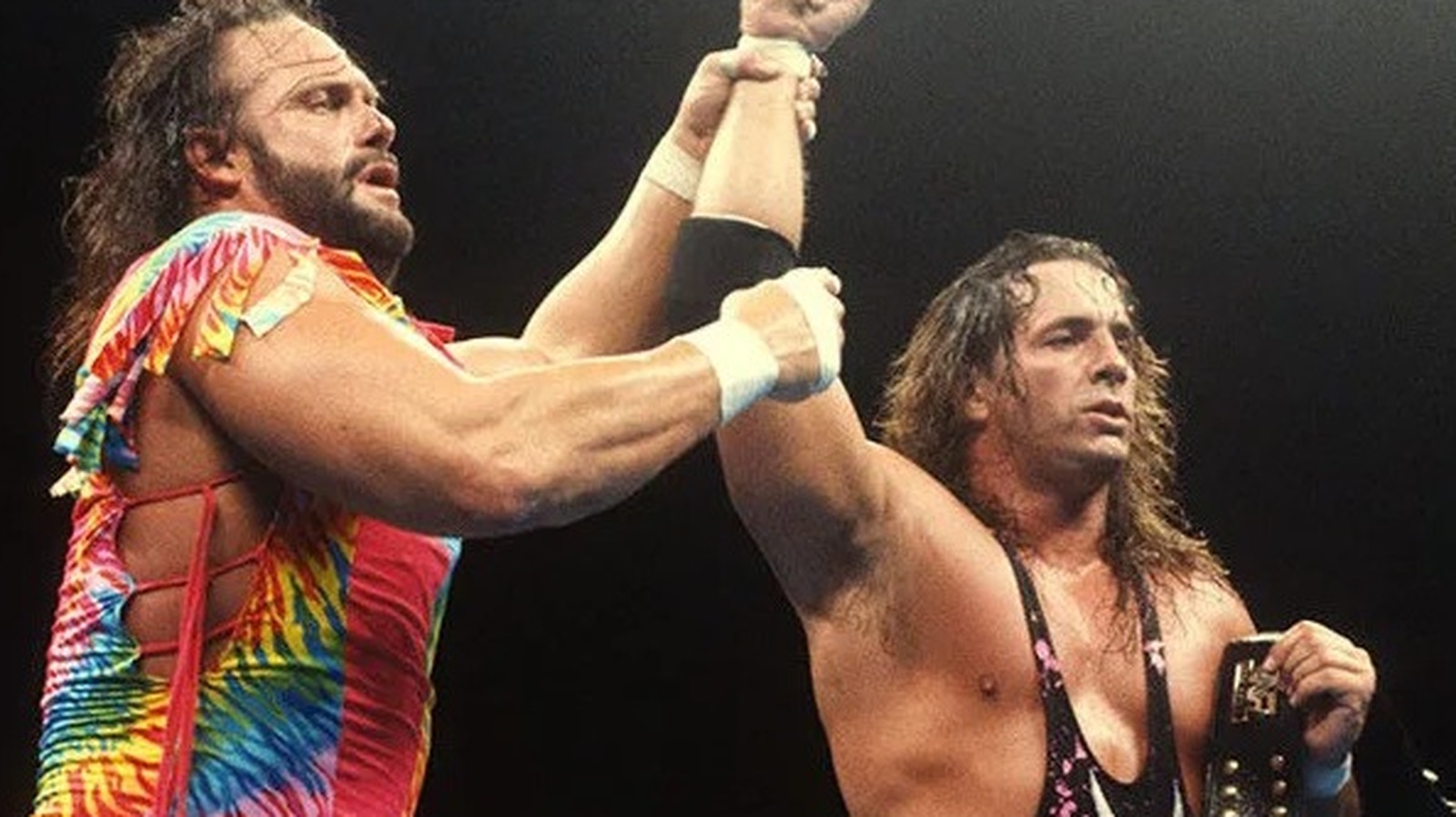
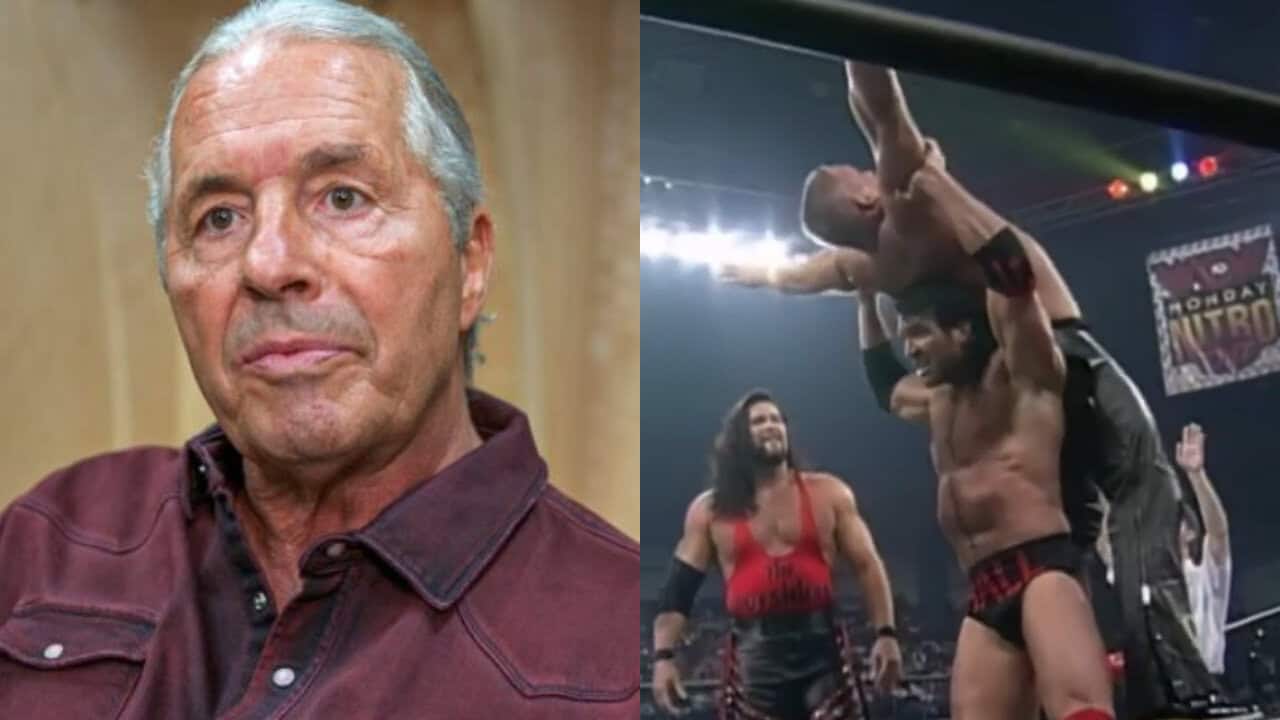
Bret Hart recently confirmed he refused to take Scott Hall’s Razor’s Edge during their various professional encounters. Hart cited the move’s inherent danger, labeling it both too risky and fundamentally unintelligent for his in-ring repertoire. This public stance serves as a reminder of the philosophical divide between the technical wrestling of the 1990s and the high-impact style currently permeating the industry.
While fans often clamor for increasingly dangerous spots, Hart’s refusal highlights a necessary friction between physical safety and crowd satisfaction. The move, characterized by a crucifix powerbomb finish, placed an immense burden on the receiver to avoid neck or spine trauma. For a worker as meticulous as Hart, protecting his body was non-negotiable, even at the cost of creative convenience for his opponents.
Source credibility and historical context
This information stems from recent reports by WrestlingNews.co, which maintain high relevance due to the ongoing discourse surrounding wrestler health. These accounts are firmly categorized within the Tier 1 bracket, as they rely on direct testimony from a legend rather than speculative industry gossip. Hart’s commentary aligns with his well-documented history of prioritizing technical execution over volatile stunts.
Creative direction under modern constraints
The contemporary wrestling landscape has largely moved toward a style where aerial maneuvers and high-speed crashes are standard. However, the legacy of Hart’s philosophy remains relevant as promotion officials weigh the cost of long-term injuries against short-term crowd pops. Modern rosters often incorporate high-risk maneuvers as foundational pieces of their matches, sometimes ignoring the long-term impact on their own physical longevity.
We have seen a trend where performers attempt to innovate by increasing the complexity of bumps, yet we rarely see the foundational psychology Hart championed. His refusal of the Razor’s Edge was not a sign of weakness, but a calculation of risk versus reward. Modern wrestling could benefit from more performers choosing to protect their health, even when it forces a revision of a planned spot or spot-heavy match structure.
Critical assessment of the safety discourse
It remains problematic that the industry frequently conflates safety with a lack of effort. When talent refuses dangerous spots, it is often viewed by vocal segments of the fanbase as being "soft." This is a flawed perspective that ignores the career-ending hazards inherent in moves like the Razor’s Edge. Hart’s ability to remain a top-tier draw without needing to risk paralysis is a metric that many modern wrestlers fail to emulate.
The move itself, while iconic, functioned as a devastating finish because of the sheer physical imposition. If a performer cannot execute or safely receive such a maneuver, the match quality should not suffer as a result of a substitution. The failure here lies in the booking of moves that demand reckless physical trust. If you cannot safely perform a maneuver, you shouldn't be asked to put your career on the line for a single night of cheers.
Probability of impact on current wrestling styles
We are unlikely to see a mass pivot back to technical-only wrestling, despite Hart’s valid warnings. The current archival commentary serves as a benchmark for potential talent looking to establish longevity. Younger performers who embrace moderate risk profiles often see longer tenures at the top of the card. The probability that this specific sentiment changes the actual booking of upcoming PLEs like WrestleMania 41 is effectively zero.
Instead, this serves as an educational moment for those currently honing their craft in the performance centers. The best wrestlers are those who can tell a story without needing to shatter their frames every 15 minutes. If a match needs to rely on a move defined as 'too stupid' to perform, it likely lacks the necessary narrative depth to be considered a truly great bout. Hart’s legacy is built on the foundation that longevity is the ultimate measure of success.