The Hall of Fame's hidden medical cost
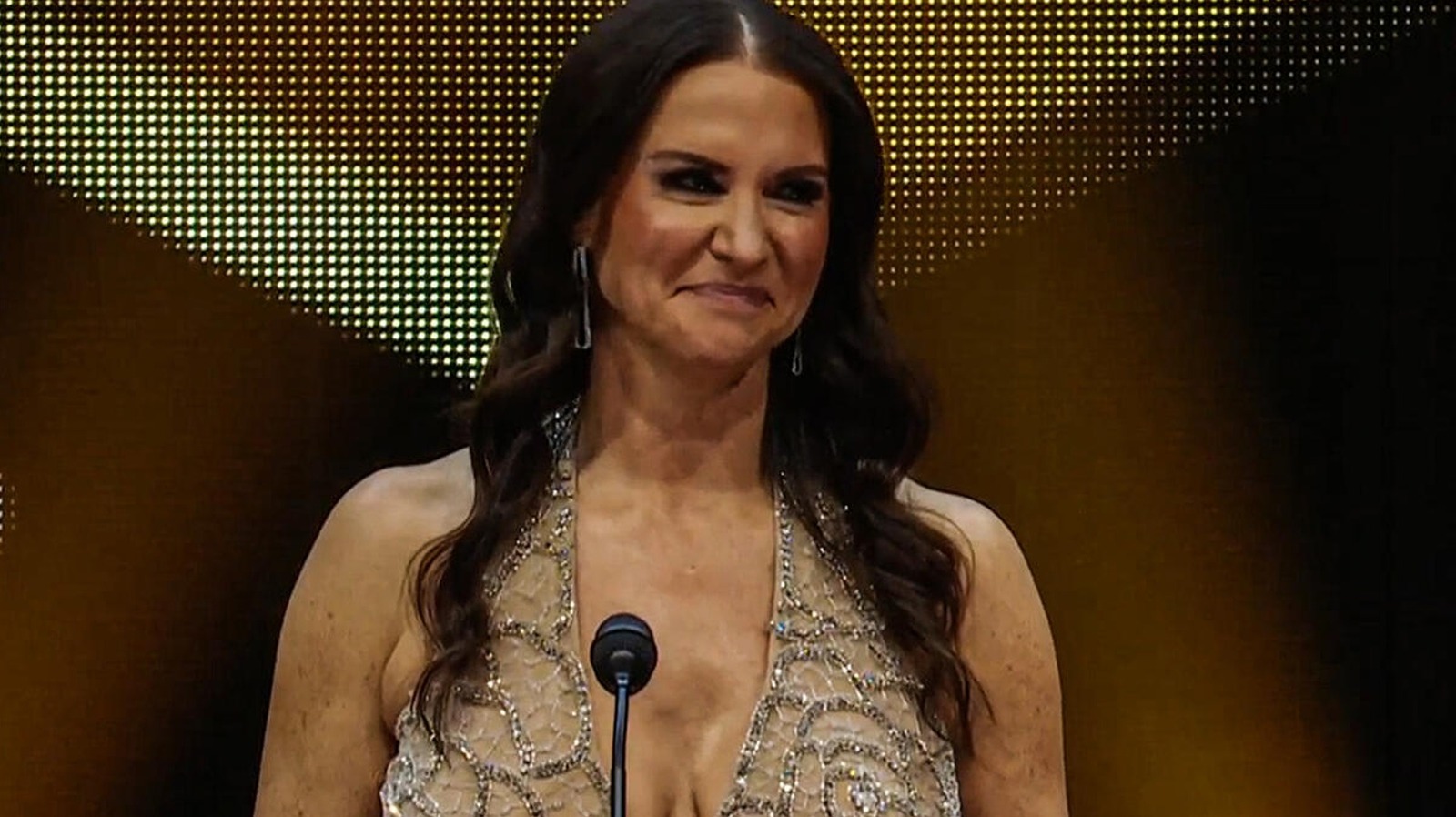
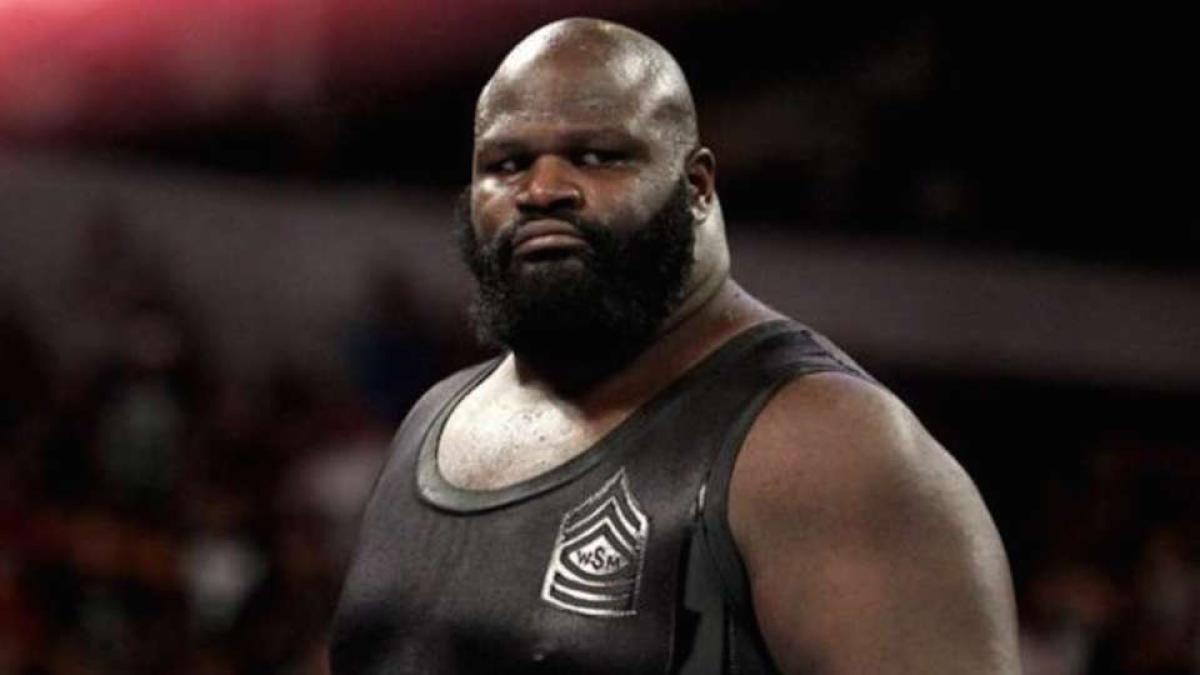
The WWE Hall of Fame induction ceremony serves as a victory lap for legends who sacrificed their joints and longevity for the sake of the industry. Behind every induction speech lies a silent, often grueling medical history. As Mark Henry mentioned recently, the window for these performers to celebrate their careers is narrowing before they face the permanent consequences of decades in the ring.
We are looking at a group of icons who routinely pushed through torn labrums, chronic spinal issues, and recurring concussions to build the foundation of modern sports entertainment. The physical toll of the 80s and 90s era is not just nostalgic history; it is a clinical diagnosis. While current performers benefit from more robust protocols, the legends taking the stage this year carry the literal weight of their matches.
The cost of the ring
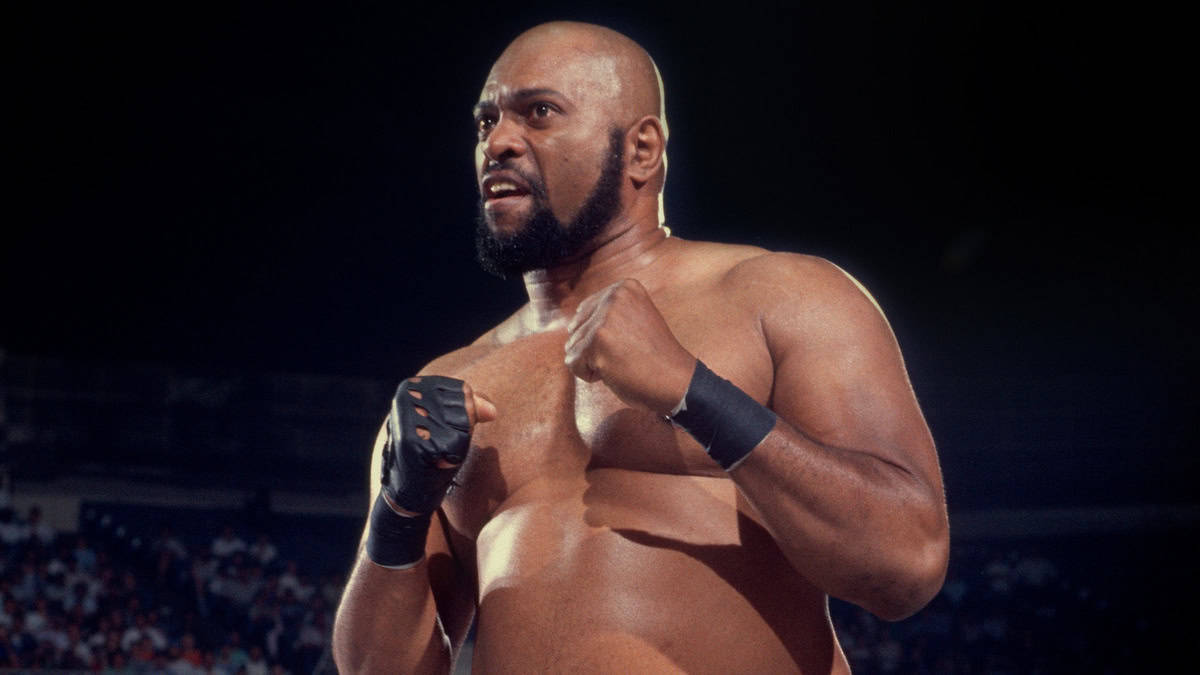
Bret Hart, who spoke candidly about Bad News Brown, knows better than most how sudden an issue can arise in the squared circle. The intensity of 90s WWF booking often meant working through injuries that would have grounded modern stars for months. Brown, like many of his cohort, was known for a stiff, uncompromising style that prioritized impact over preservation.
Bill Eadie of Demolition echoed this sentiment regarding the changing administrative approach to physical health. He noted that the environment under current leadership is vastly different from the grind of the golden era. Back then, missed shows meant missed pay, regardless of a recurring knee issue or a lingering concussion. It was a culture where showing up was the only metric that mattered.
Medical reality vs. legendary status
The transition from active roster member to Hall of Fame honoree is rarely smooth. Many veterans approach the podium today relying on mobility aids or having endured multiple reconstructive surgeries post-retirement. Kevin Nash, who has been transparent about the toll the business took on his own physical well-being, understands that legacy comes with surgical scars.
One negative observation persists: the disconnect between the spectacle of induction and the physiological decline of the performers remains stark. While the UFC has modernized its approach—such as the recent induction of Demetrius Johnson who managed his career with a focus on longevity—pro wrestling legends often lack that same path. They are rewarded for the brutality they survived rather than the health they maintained.
The long-term analysis
History repeats itself if the current standard of care is ignored. Strategic implications are clear: WWE must continue to bridge the gap between acknowledging these legends and providing for their long-term health needs. The industry relies on these stories to sell tickets for WrestleMania 41, but the cost of that history is paid in titanium parts and limited mobility.
Looking at the timelines, these inductions occur roughly 19 days before the main events in April. This window highlights the contrast: the current stars are peaking physically, moving into their prime during the biggest shows of the year, while the legends stand as symbols of what happens when that peak fades. The physical history of the sport is written in the bodies of the inductees, and it is a brutal record to behold.