The transition cost of moving from Jacksonville to Orlando
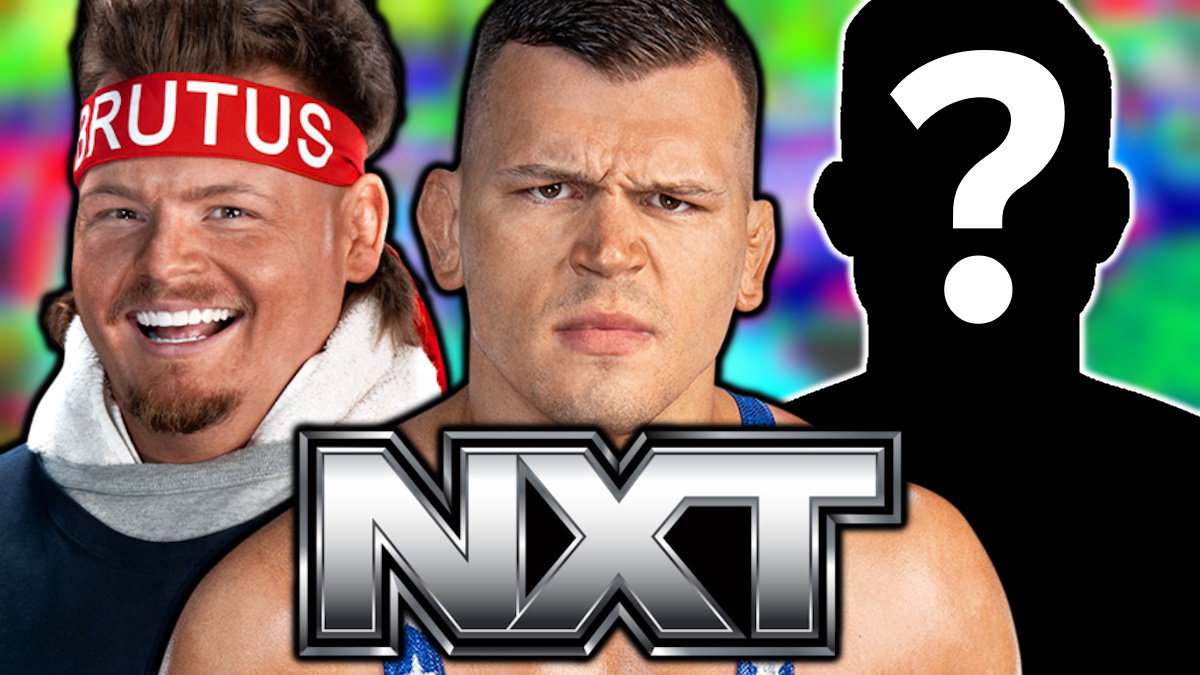
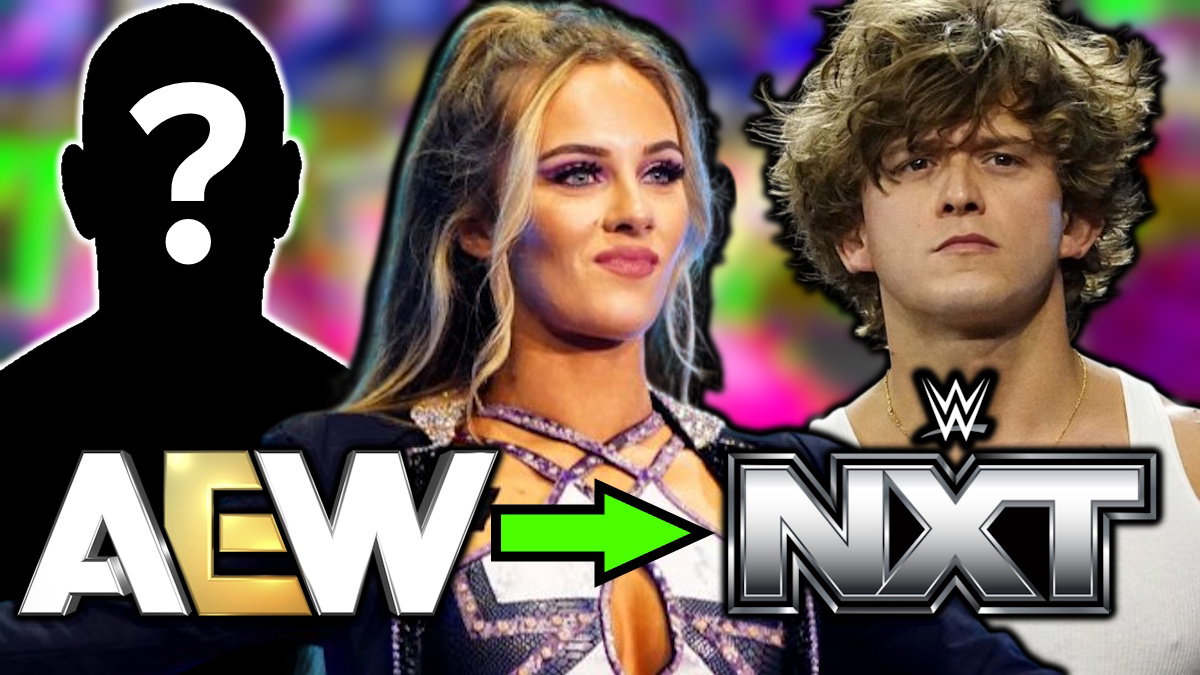
The movement of talent between major promotions is no longer a slow crawl. It is a calculated, aggressive strategy. Over the last twenty-four months, NXT has systematically integrated performers who cut their teeth under the All Elite Wrestling banner. The recent arrivals of Ethan Page and Ricky Saints represent a clear evolution in this policy. WWE is targeting mid-card equity rather than just marquee names.
This reliance on external talent creates a secondary issue for internal development. When the top of the card is dominated by wrestlers who spent significant time refining their work in other promotions, the homegrown prospects are pushed to the fringes. It forces a sprint for established talent, yet it risks stalling the pipeline that defined the developmental brand for a decade.
Tactical shifts in the developmental ring
The integration of these individuals is not merely about brand recognition. It is about stylistic diversification. The technical pacing often favored in AEW matches relies heavily on high-frequency transitions and layered sequences. NXT producers have seemingly identified this as a necessary injection for their current roster, which has leaned heavily on power-based profiles since 2024.
Watch the upcoming tapings for how these veterans navigate the smaller ring-size variables. Moving from a twenty-foot ring to the standard NXT setup often disrupts timing on corner-to-corner spots. If an incoming star relies on the speed of the ropes for their signature sequences, a 5 percent reduction in ring dimensions can ruin their set-up for a finishing maneuver, leading to awkward pacing errors.
Where the bookers are missing the mark
One glaring failure in this transition strategy involves narrative continuity. Relying on a performer's past reputation without providing a clean slate narrative means the audience is often confused about their alignment. Are they the same character who appeared on Dynamite on October 12, 2025, or a reinvented version of themselves? The blurred lines often lead to lacklustre crowd reactions during the first month of a tenure.
The management team needs to decide if these signings are meant to feed the main roster immediately or foster sustainable growth within NXT. As WrestleTalk reports, this influx is set to continue. Expanding the roster is a luxury until the creative team stops treating these signings as singular events and starts weaving them into a cohesive weekly structure that doesn't feel like a revolving door.
The final countdown to the spring shake-up
The next few weeks will tell us if this gamble pays off. WrestleMania 41 is just around the corner on April 19, 2026, and the card will arguably draw focus away from developmental. This is the window where NXT usually flourishes by necessity. They have the eyes of the diehards, but they are lacking the structural stability seen in previous developmental cycles.
My prediction? The current strategy of loading the roster with outside acquisitions will peak before the end of the second quarter. You can expect at least one major debut by the mid-May mark. If they don't tighten up the creative booking around these transitions, the product will remain fragmented. They need to prioritize clear character arcs over the excitement of the debut itself.