The fallout from the apron
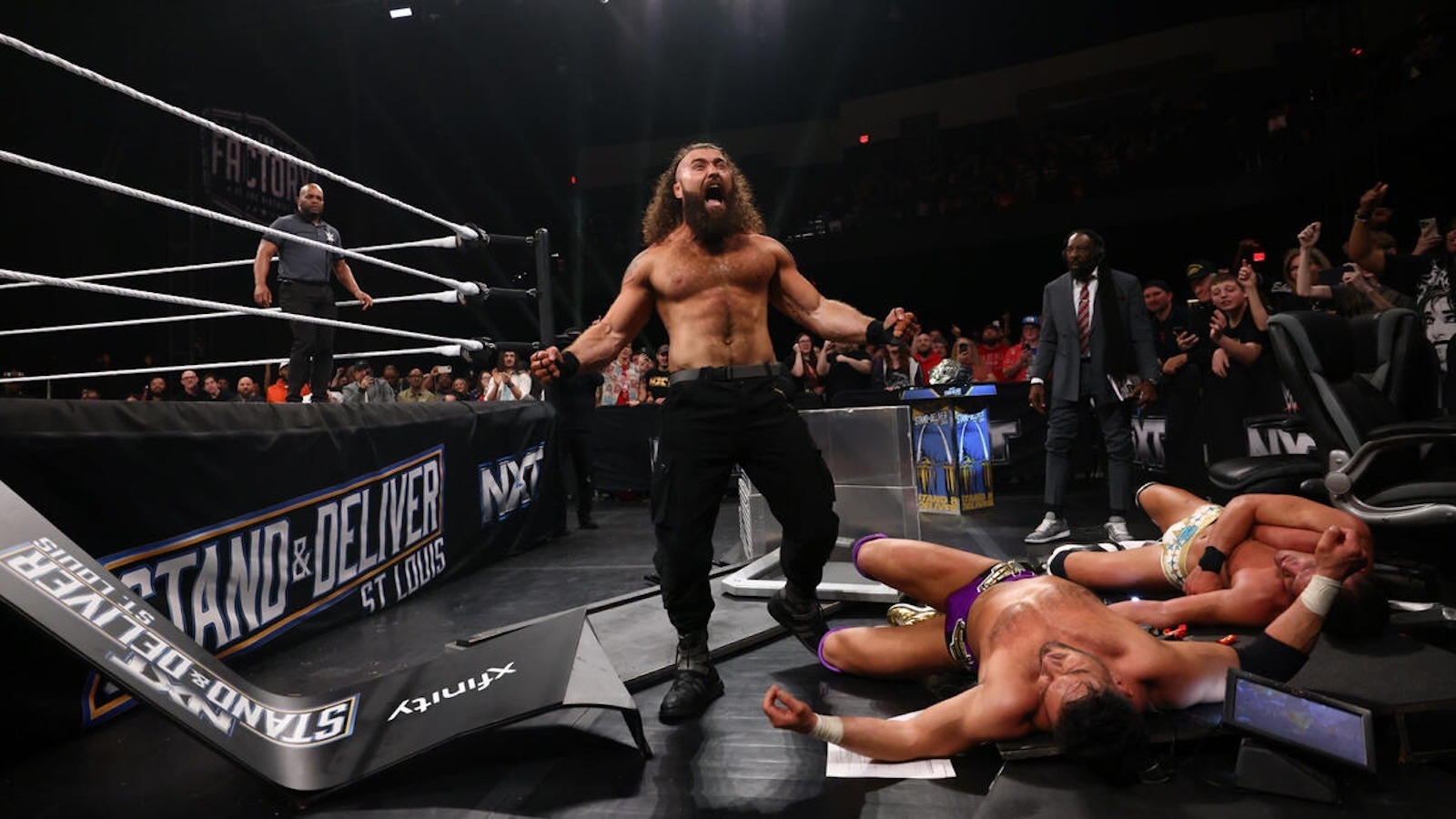
NXT Stand & Deliver 2026 has concluded, and while the spectacle was undeniable, the tactical execution left several holes in the promotion's long-term booking strategy. We saw high-impact spots aplenty, yet the narrative flow between the opening bell and the main event felt disjointed by unnecessary stalling tactics. You can review the full match results here to see how each finish landed on the card.
The pacing issues were most evident during the mid-card bouts. High-risk maneuvers were frequent, but the psychology behind the transitions was missing. When you see a wrestler absorb a Canadian Destroyer into a kick-out at 14 minutes, it does not elevate the match; it devalues the finisher that theoretically should end the contest. This heavy reliance on near-falls has become a crutch in the modern developmental pipeline.
Missing the mark on momentum
Developmental wrestling requires a delicate balance between showcasing talent and protecting the integrity of the finish. In several cases, the athleticism was world-class, but the logic remained amateur. We saw several competitors spend extended periods outside the ring recuperating, a common trope that kills the viewer's engagement and ruins the urgency of a high-stakes show.
Critically, the booking of the tag team divisions felt like an afterthought. Transitions were clunky, and the blind tags lacked the crispness we expect from talent groomed for the main roster. It is frustrating to watch performers with genuine kinetic ability get shackled by a script that prioritizes a spot-heavy structure over a coherent match narrative. If the goal is to prepare these athletes for the next tier of professional wrestling, they need to master the art of the ten-minute build rather than the thirty-minute chaotic brawl.
Looking toward the late spring schedule
With WrestleMania 41 looming on April 19, the pressure on the younger talent to stabilize their characters is immense. The production quality remains at a 9.5/10, but the storytelling loop needs to tighten. The roster has enough natural charisma to carry the segments without the constant interference and high-spot overload that defined the weekend.
My prediction for the coming weeks is simple: the creative staff will likely pivot back to more grounded, character-driven feuds to bridge the gap toward the summer pay-per-views. If they persist with the current pacing, the audience will eventually tire of the diminishing returns. I expect a notable shift in tempo starting this Tuesday as they attempt to correct the trajectory before the roster shuffle.