The Anatomy of Creative Damage
As a medical reporter covering professional wrestling, my inbox is usually filled with MRI results, torn rotator cuffs, and concussion protocols. Physical injuries are easy to diagnose. You look at the tape, you see the awkward landing, and you put a timeline on the recovery. But sometimes, the most devastating damage a wrestler sustains happens miles away from the ring.
It happens in a writer's room in Stamford, Connecticut.
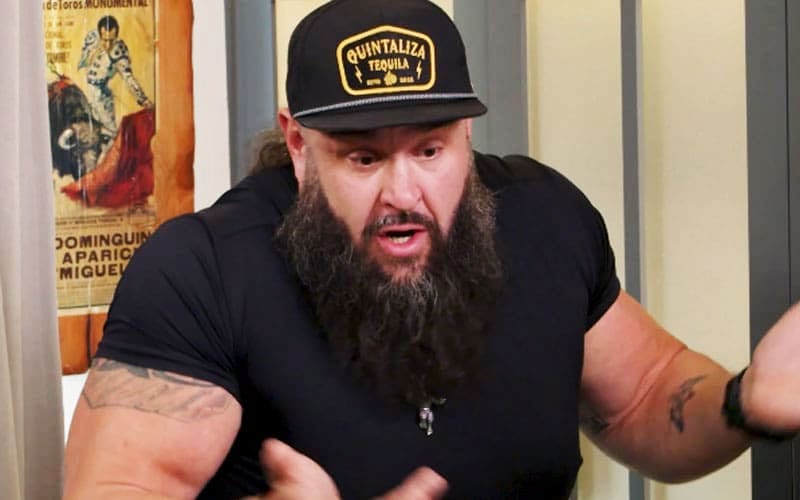
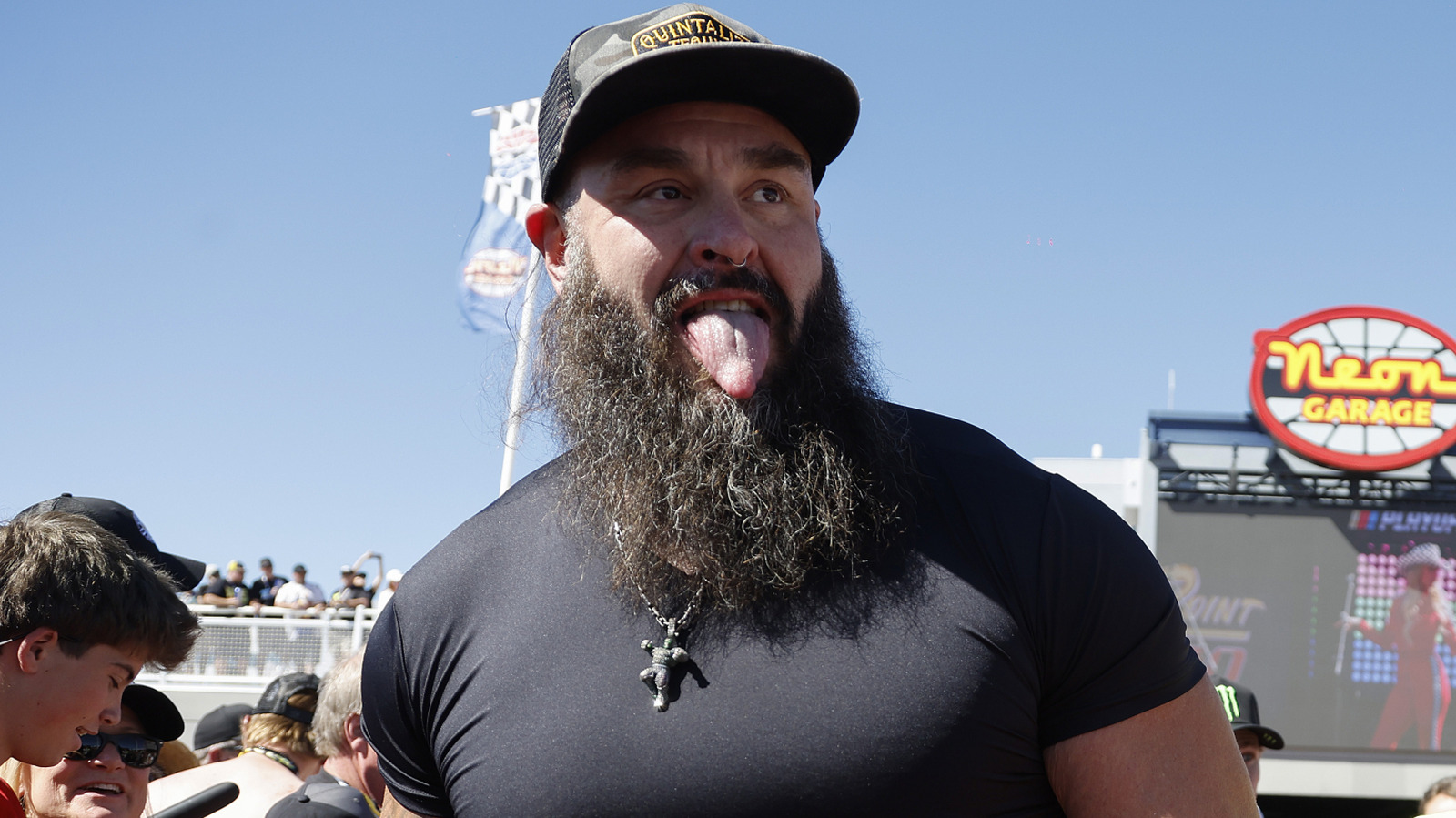
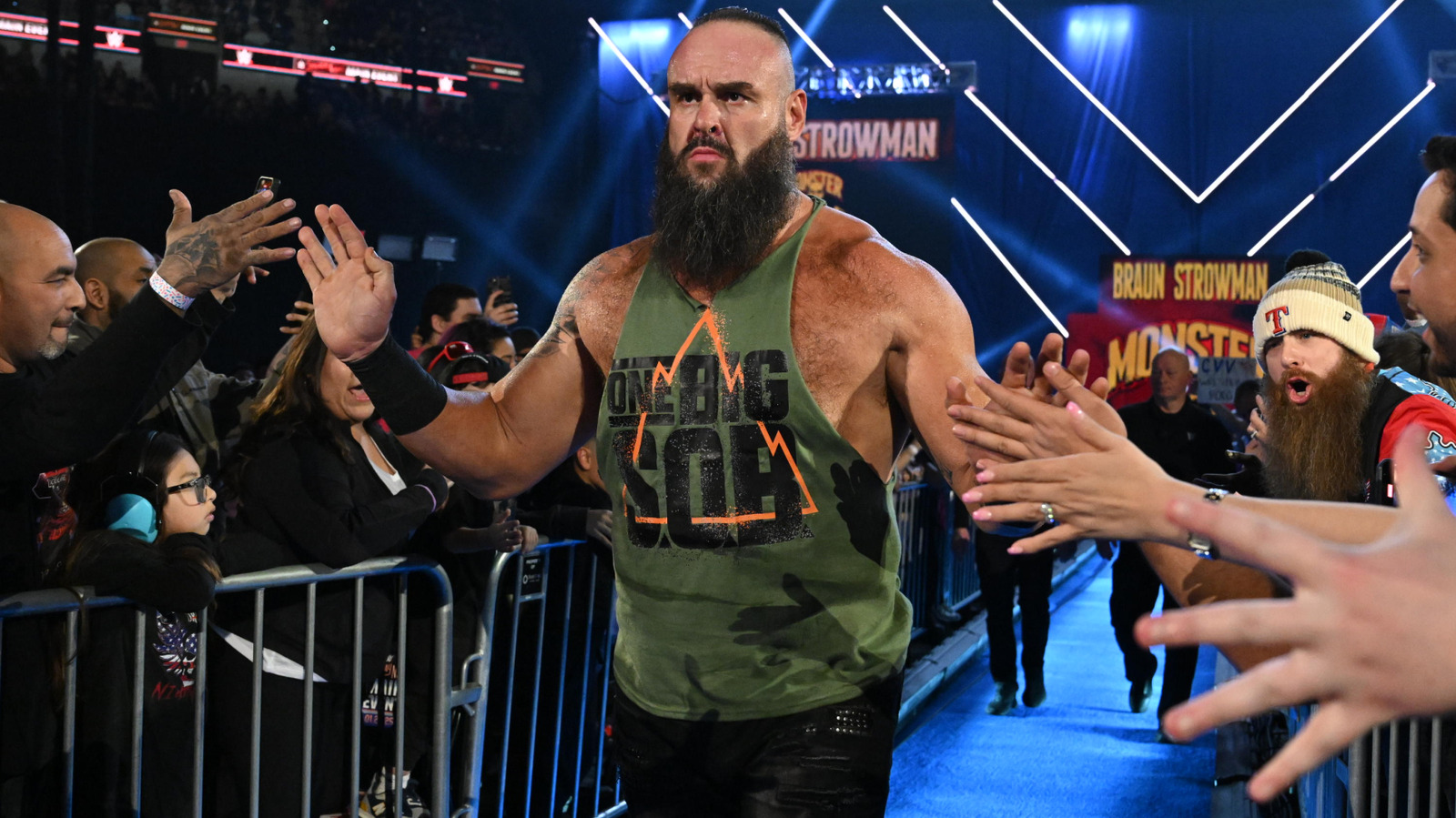
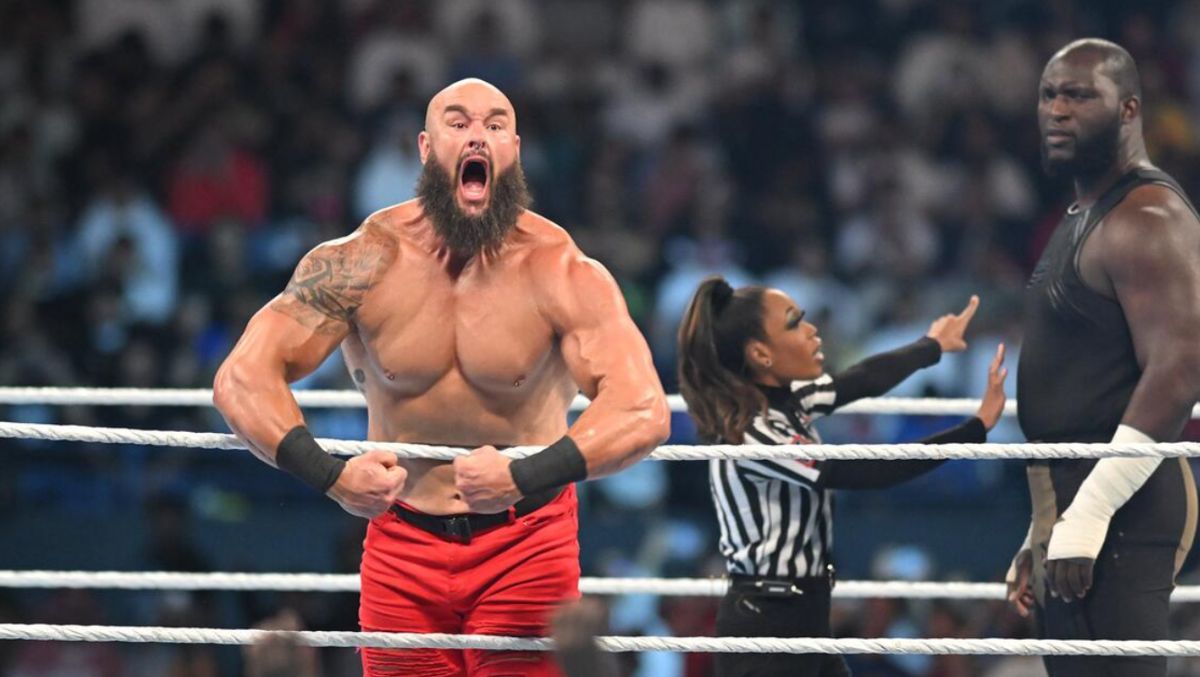
Braun Strowman, known outside the ring as Adam Scherr, is finally speaking out about the reality of his time as the "Monster Among Men." According to recent interviews, the very system designed to build him up was actively holding him back. The issue wasn't his knees or his back. It was his script.
Strowman recently admitted that during his main event push, he felt constantly restrained by the creative process. Instead of letting a legitimate giant act like one, the writing team tried to put him in a box.
"Sometimes the script sucked," Strowman confessed bluntly to Wrestling Inc. "But I had to make the best of it."
When a 300-plus pound athlete is handed dialogue written by television writers who have never taken a bump, the disconnect is jarring. Fans can see right through it. Strowman had intensity, but the rigid scripting process acted as a severe restriction on his natural charisma.
So, who is exactly injured here? The character of Braun Strowman. What is the injury? Severe creative restriction leading to character paralysis. And how long was he out? It took a real-life release and a multi-year rehabilitation process away from the company to finally clear him for active, unscripted competition.
Misdiagnosing the Monster
Think back to Strowman's peak in 2017. He was flipping ambulances and throwing office chairs at Roman Reigns. That version of Strowman didn't need a monologue. He needed a target.
But WWE's creative structure fundamentally misunderstands how to book giants long-term. Instead of letting Strowman operate as an uncontrollable force of nature, they forced him into heavily scripted promos. They made him memorize lines that sounded completely unnatural coming from his mouth.
This is the equivalent of taking a star striker and forcing him to play as a defensive midfielder. You are actively neutralizing your own asset. Strowman was doing exactly what was asked of him, but the material was fundamentally flawed. He was working through a severe creative handicap.
Historical context shows us exactly how dangerous this creative approach can be. We saw the exact same mismanagement with Big Show for over a decade. Every time WWE handed him a script that required him to smile and tell jokes, they eroded his threat level.
Strowman was dangerously close to suffering the exact same fate. By the time he was feuding with Tyson Fury in late 2019, the damage was already becoming obvious. Instead of a natural, violent clash between two massive athletes, the build was bogged down by overly produced segments and forced dialogue.
The low points were glaring. Teaming with a child at WrestleMania 34 was a cute moment, but it completely derailed his aura as an unstoppable monster. It was a booking decision that destroyed his terrifying mystique in a single night.
The Long Road to Rehabilitation
When WWE released Strowman in 2021, it shocked the wrestling world. How do you cut bait with a former Universal Champion who moves like a cruiserweight? But looking back, that release might have been the necessary surgery to fix a lingering problem.
Stepping away from the WWE bubble allowed Scherr to breathe. He co-founded Control Your Narrative. Regardless of how that promotion was received by the internet wrestling community, it offered him something WWE never did: total creative autonomy.
For the first time in his career, nobody was handing him a script five minutes before he walked through the curtain. He didn't have to recite sterile, corporate-approved dialogue. He could just be himself.
That period of independence was vital for his professional rehabilitation. It proved that he could draw attention and engage an audience without a massive machine scripting his every word. He wrestled in smaller venues, interacted directly with fans, and rediscovered the raw intensity that initially made him a star.
Now that he is back in the fold, the dynamic has shifted. The regime that originally stifled his natural delivery is largely gone. But the scars of those early main event runs remain visible. You can still see moments where the old habits creep in, where a promo feels slightly too polished for a man whose gimmick revolves around pure destruction.
Tactical Adjustments Without the Script
How does a performer adjust when the script is finally thrown out? We are seeing it in real time. Strowman's current presentation relies much more on physical storytelling.
The running shoulder blocks outside the ring. The sheer impact of the Running Powerslam. These are the elements that originally got him over, completely unfiltered.
Removing a fully operational giant from your main event picture drastically alters the tactical board. When Strowman was creatively compromised, WWE had to lean harder on smaller wrestlers to carry the weekly television rating.
Without a believable apex predator, the midcard becomes a muddled mess. A healthy, fully functional Strowman acts as a gatekeeper. He provides a massive physical hurdle that other wrestlers must overcome to prove their worth. When his booking was weak, that hurdle disappeared.
Now, as WWE builds toward WrestleMania 41 in Las Vegas, they have a deep roster of heavyweights. But Strowman remains a unique tactical weapon. You can deploy him in a battle royal, a tag team match, or a short, violent sprint. The key is keeping his instructions simple: destroy everything, and say almost nothing.
Will the Current System Prevent a Relapse?
The core flaw in WWE's previous system was inflexibility. Writers would craft a narrative, and the talent was expected to fit into that mold, regardless of their natural cadence. Strowman's admission that his hands felt tied is a direct indictment of that era.
Under the current creative direction led by Paul Levesque, there is reportedly more leeway. Promos are structured more around bullet points than rigid scripts. This is exactly the kind of preventative care Strowman needs to avoid a relapse of his previous creative struggles.
But we shouldn't pretend the problem is completely solved. WWE is still a massive corporate television product. There will always be sponsors to appease and network executives to satisfy.
Strowman's candidness about the scripts "sucking" is refreshing. He acknowledges that he had to make the best of a bad situation, and for the most part, he did. He won the Universal Championship at WrestleMania 36, defeating Goldberg in a match that was practically devoid of build-up.
Final Prognosis
As we approach the two-night event in Las Vegas this April, Strowman's role is still being defined. The immediate timeline suggests he will be utilized as a special attraction rather than a focal point of the world title picture. And honestly, that might be for the best.
A limited, highly impactful role protects him from overexposure. It limits his time on the microphone and maximizes his time throwing bodies around the ring. That is the optimal tactical deployment for a talent with his specific skill set.
The "creative injury" Strowman suffered during his initial run is largely healed. The bad scripts and baffling character choices are mostly in the rearview mirror. But the cautionary tale remains.
When you try to script a monster, you usually end up domesticating him. And a domesticated monster is no use to anyone. Strowman survived his creative rehabilitation, but WWE must ensure they never put him back in that cast again.