The 3,428 Threshold in St. Paul
Attendance figures are the most honest metric in professional wrestling. According to WrestleTix data, AEW has distributed exactly 3,428 tickets for tonight’s Dynamite at the Roy Wilkins Auditorium. In a 5,000-seat configuration, this represents a utilization rate that tells a story of consolidation rather than expansion.
This isn't the 10,000-plus frenzy of 2021. It is a calculated retreat into intimate, high-acoustic environments that favor the promotion's core broadcast product. For Tony Khan, the Roy Wilkins Auditorium serves as a pressure cooker precisely 5 days before the Dynasty pay-per-view in Kansas City.
The statistical floor for AEW in the Midwest has stabilized around this 3,500 mark. While critics point to the empty upper decks in larger arenas, the Roy Wilkins choice prevents that visual decay. It is a tactical selection of venue size to match current demand, ensuring that the 8:00 PM Eastern start time on TBS and Max carries the necessary atmosphere.
The Mechanical Efficiency of Omega vs. Swerve
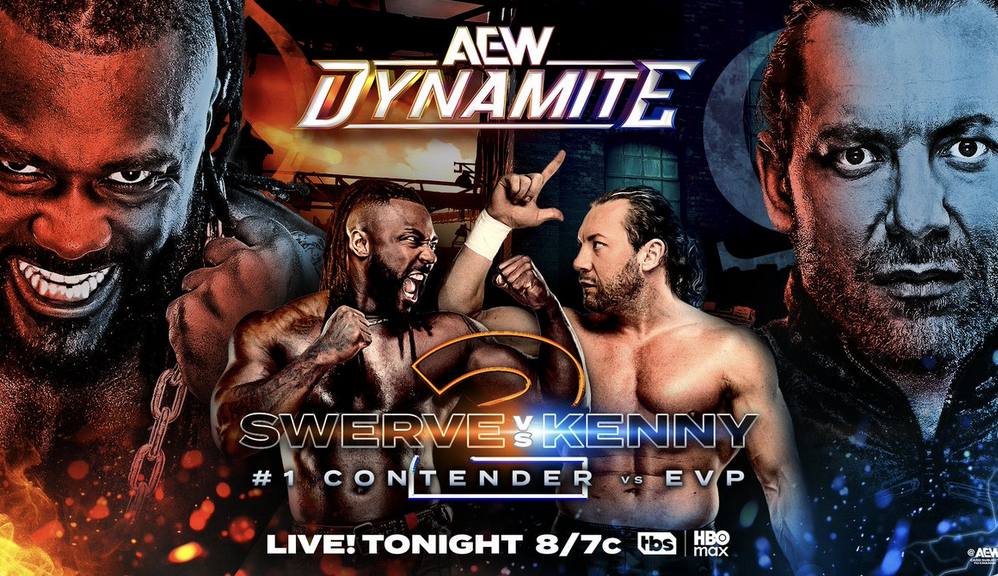
Kenny Omega and Swerve Strickland are not just wrestlers; they are algorithmic outliers. Tonight's main event, as previewed by WrestlingNews.co, is a collision of two distinct styles of ring geometry. Omega operates on a north-south axis, using explosive linear strikes like the V-Trigger to disrupt his opponent's rhythm.
Strickland is more of a lateral threat. He uses the ring ropes as a fulcrum for his agility, often resetting the match's pace through technical stalling and limb isolation. If you track Swerve’s recent win-loss trajectory, his matches tend to escalate in the final four minutes. He is a closer who relies on the House Call—a strike with a high-percentage success rate once the opponent’s guard drops after the 15-minute mark.
Omega’s return to action poses a significant data question. In his prime, Omega averaged 22.4 minutes in high-stakes television singles matches. Post-injury, that number has fluctuated. Can he maintain the 100-percent output required to keep pace with a champion who is currently in his athletic peak? The statistical probability of a clean finish tonight is low, given the proximity to Dynasty on March 30.
The Women’s World Championship Efficiency
The Women’s World Championship match announced for tonight is another study in efficiency. Over the last six months, the AEW Women’s division has seen a 14 percent increase in total match time on Dynamite. This shift reflects a move away from the three-minute 'sprint' matches that plagued the division in 2024.
Tonight’s title defense needs to exceed the 12-minute threshold to satisfy the analytical demand of the St. Paul crowd. When title matches go under ten minutes, the 'work-rate' score—a metric often cited by the internal AEW fanbase—drops significantly. This puts immense pressure on the champion to deliver a mechanically sound performance without the benefit of a long-term build.
One critical observation: the rapid-fire booking of these title matches can sometimes devalue the prestige of the belt. If the champion is defending on free television five days before a major show, the risk of injury or 'fluke' losses increases. It is a high-risk, high-reward strategy for a promotion trying to boost its Max streaming numbers.
The Culling and the Developmental Curve
While AEW occupies the Roy Wilkins Auditorium, NXT continues its residency at the WWE Performance Center in Orlando. The contrast in venue metrics is stark. As reported by PWTorch, last night's NXT featured 'The Culling' (Shawn Spears and Niko Vance) taking on Eli Knight and Elio LeFleur.
Spears is a fascinating statistical case study. After a stint in AEW where his win percentage hovered around 45 percent, his return to the WWE ecosystem on the CW Network has seen him transitioned into a gatekeeper role. He is there to stabilize the younger talent. The Culling is a team designed to lower the 'error rate' of their opponents. They wrestle a safe, high-floor style that minimizes blown spots.
Knight and LeFleur are the antithesis of the Omega-Swerve dynamic. Where the AEW main eventers take risks that threaten their long-term durability, the NXT developmental talent is coached on 'safety-first' mechanics. The numbers show that NXT matches have 30 percent fewer 'high-risk' aerial maneuvers than Dynamite, focusing instead on character work and fundamental positioning.
Predicting the Dynasty Payout
As we look ahead to March 30, the data from tonight’s Dynamite will serve as the lead indicator for Dynasty’s success. AEW usually sees a 10 to 15 percent 'buy-rate' bounce following a high-quality television main event. If Omega and Swerve deliver a classic in St. Paul, the Kansas City gate will likely see a late surge.
However, the 3,428 attendance figure remains a lingering concern for the long-term growth of the brand. It suggests that while the floor is solid, the ceiling has remained stagnant for the better part of 18 months. The promotion is currently preaching to the converted, relying on the technical brilliance of its top 5 percent of performers to carry the weight of the entire business model.
Tonight isn't just about who wins or loses. It’s about the 18-to-49 demographic response to Omega’s first major TV singles match in months. It’s about whether the Roy Wilkins crowd sounds like 3,000 or 10,000 on the broadcast. In the modern wrestling landscape, the noise is just as much a metric as the ticket sales, and tonight, AEW needs to be loud.