The burden of the script
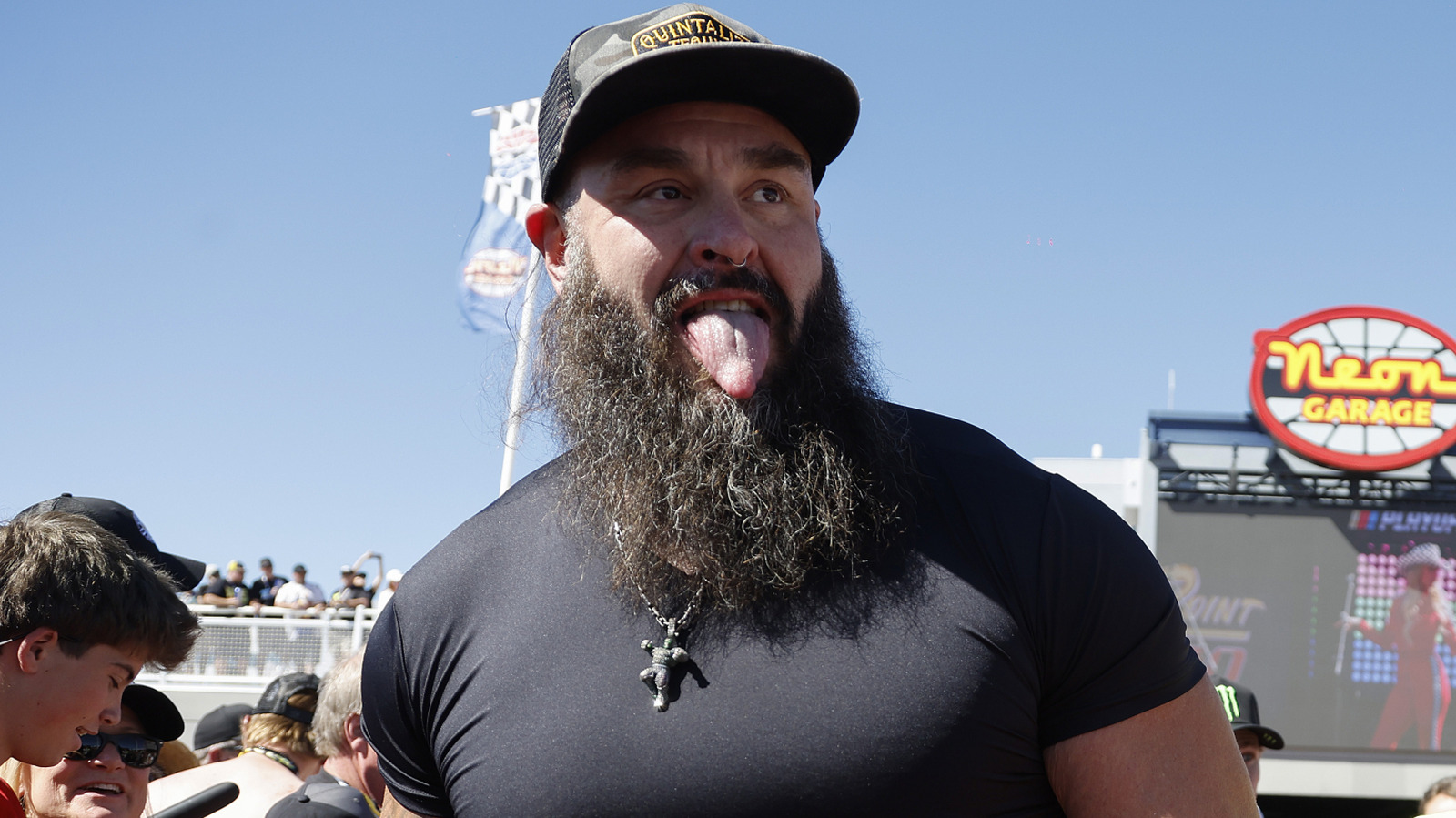
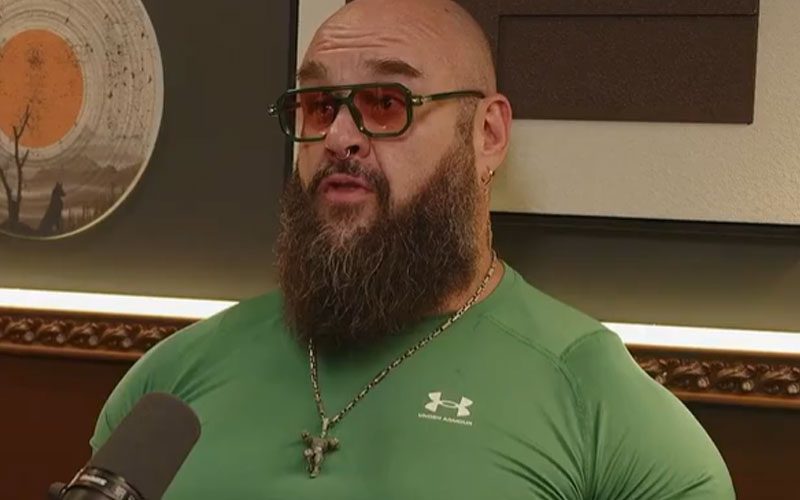
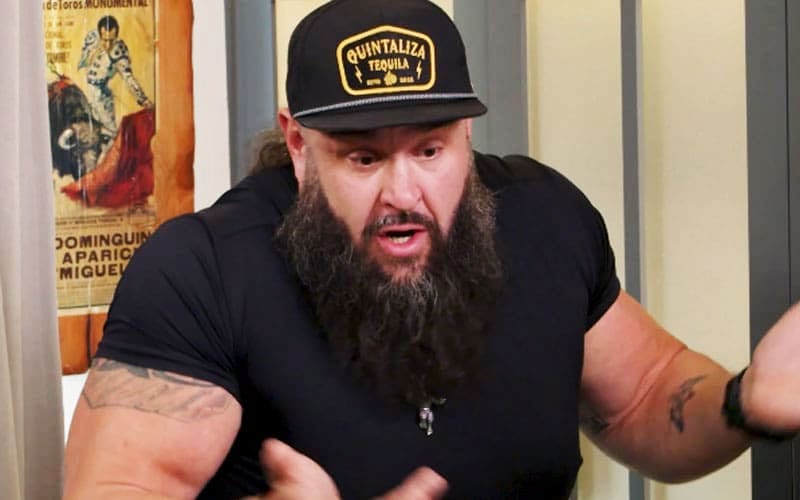
Braun Strowman has finally said the quiet part out loud. Reflecting on his initial, massive run in WWE, the former Universal Champion admitted that the material he was handed often left him frustrated. As reported by Ringside News, Strowman bluntly stated that the scripts he was forced to memorize and recite frequently missed the mark.
He didn't entirely throw the writers under the bus. According to WrestlingNews.co, Strowman clarified his stance on the creative process during that era.
"Sometimes the script sucked, but I had to make the best of it."
And he certainly tried. But his comments expose a fundamental flaw in how WWE operated during the late 2010s. This was an era where micromanagement suffocated organic reactions. The creative team, operating under the strict, erratic whims of Vince McMahon, demanded verbatim recitations from everyone on the roster.
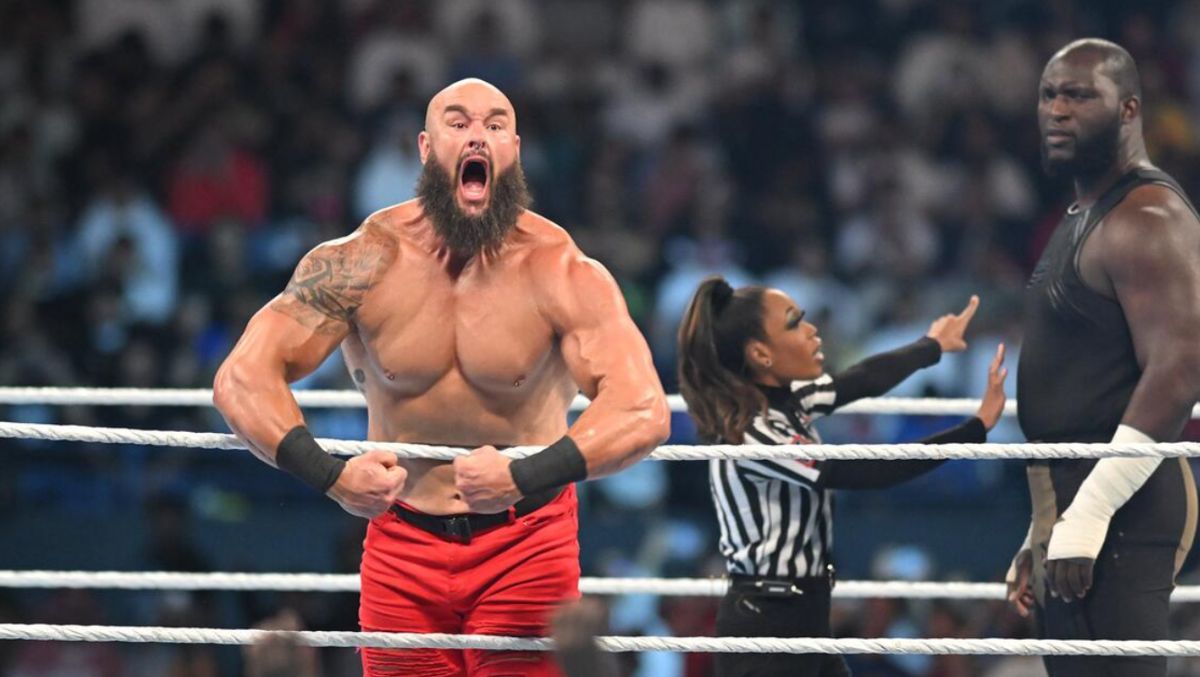
That rigid structure is bad enough for a natural talker. For a 6-foot-8, 385-pound behemoth whose entire appeal was built on raw, unpredictable destruction, it was professional sabotage.
When monsters speak in paragraphs
Think back to 2017. Strowman was the hottest act in professional wrestling. He wasn't getting over because of carefully crafted monologues. He was getting over because he threw an office chair at Roman Reigns' head and tipped over an ambulance.
His appeal was entirely physical. The booking was simple, effective, and brutal. He would show up, destroy everything in his path, yell a few terrifying words, and leave. It worked perfectly.
Then the scripts took over. As Strowman transitioned from a terrifying heel into a merchandise-moving babyface, the demands changed. WWE decided he needed to be funny. They decided he needed to hold a microphone for ten minutes at the top of the second hour of Raw.
The "Get These Hands" catchphrase, initially a spontaneous and violent threat, was weaponized by the marketing department. It became a punchline. Instead of destroying the set, Strowman was suddenly reading bad comedy bits off a teleprompter.
The anatomy of a booking disaster
The nadir of this scripted era is hard to pinpoint, purely because there are so many terrible options. We could look at WrestleMania 34, where a dominant Strowman pulled a kid named Nicholas out of the crowd to win the Raw Tag Team Championship.
It was a cute moment for the kid. It was an absolute disaster for the credibility of a man who was supposed to be the most dangerous person on the roster. It permanently shifted him from a monster to a novelty act.
Or we could look at the feud with Shane McMahon leading into WrestleMania 37. As noted in the coverage by F4WOnline, Strowman's reflections on bad scripts almost certainly point toward this miserable period.
The storyline required Strowman to act like a bullied schoolchild while McMahon poured slime on him and called him stupid. The dialogue was genuinely embarrassing. To make matters worse, WWE literally added cartoon train sound effects when Strowman ran around the ring.
You cannot script a giant into being an underdog. The tactical mismatch was glaring. The writers tried to map a standard, sympathetic babyface narrative onto a man who looked like he could deadlift a tractor. The audience rejected it immediately.
The physical toll of overcompensating
When the microphone fails, the body has to work overtime. Strowman realized early on that if the fans were groaning at his dialogue, he needed to win them back with escalating physical stunts. This is a dangerous game for a man of his size.
The bump card fills up quickly when you are constantly trying to erase the memory of a bad promo segment. We saw Strowman taking terrifying bumps off the stage, crashing through LED boards, and routinely absorbing high-impact offense that big men historically avoid.
He was wrestling like a cruiserweight trapped in a giant’s body. The running powerslams were standard, but it was the high-speed shoulder tackles outside the ring that did the damage. He was sprinting around the ringside area, changing direction violently, tearing up his knees to get a reaction.
That frenetic pace was a direct result of the creative vacuum. If the story didn't make sense, the only way to keep the crowd engaged was to risk his neck. It shortened his prime window significantly.
Tactical mismatch in the ring
The bad scripts also bled into the match psychology. During his peak feud with Roman Reigns, the matches were chaotic, unstructured brawls. They felt legitimate. But as the writing shifted toward traditional babyface tropes, Strowman’s match structure was forced to follow suit.
Suddenly, we saw Strowman attempting to sell extended heat segments. He was fighting from underneath against much smaller opponents. It broke the fundamental suspension of disbelief. Why is a nearly 400-pound man selling a basic armbar for five minutes?
The writers forgot that Strowman’s appeal was his invulnerability. When you script a monster to show constant vulnerability, you strip away their aura. A giant should only sell when hit with a finishing move, a weapon, or the combined effort of multiple opponents.
Instead, the scripts demanded he sell like an average wrestler to fit the standard television format. It was a tactical error that exposed his limitations and minimized his strengths.
The Wyatt Family foundation
It’s worth remembering how Strowman debuted. He was brought up as the "Black Sheep" of the Wyatt Family. In that environment, his booking was flawless. Bray Wyatt handled all the talking. Strowman was simply the muscle.
He would stand ominously in the background, a terrifying physical presence. When the bell rang, he executed three or four power moves and left the ring. He didn't need to speak. His silence made him scarier.
That initial run proved that WWE knew exactly how to use him. They had the blueprint. But the moment they decided to elevate him to a singles star, they abandoned what made him work. They equated "main eventer" with "guy who cuts long promos in the center of the ring."
It was a massive miscalculation. Not every top star needs to be John Cena or CM Punk on the microphone. The Undertaker built a legendary career on sparse dialogue and physical intimidation. Strowman could have followed a similar path.
The modern contrast
Look at how the current regime handles similar talent. With WrestleMania 41 now exactly 26 days away, the contrast in booking philosophy is stark. Big men are allowed to be big men again.
Gunther rarely speaks for more than ninety seconds. He states his intentions clearly, brutally, and then backs them up in the ring. Bronson Reed is currently destroying people on Raw with minimal dialogue. The focus is on the impact, not the recitation of corporate buzzwords.
Even Roman Reigns, the man Strowman warred with so effectively, operates entirely differently now. The Bloodline saga relies on emotion, physical acting, and short, impactful statements. The days of the fifteen-minute scripted soliloquy are largely dead.
Strowman is back in the company now, operating under this new system. He looks healthier and seems happier. But he is firmly entrenched in the mid-card, popping the crowd with his physical feats before inevitably staring at the lights for a younger star.
The ultimate missed opportunity
It is hard not to wonder what could have been. If Strowman had been managed by a creative team that understood his appeal, he could have been a true generational draw. He had the size, the speed, and an undeniable connection with the crowd.
Instead, he was handed pages of bad dialogue and told to read them exactly as written. He did his best. He tried to make the terrible scripts work. But some material is simply unsalvageable.
Strowman’s admission isn’t just a complaint about bad writing. It’s an indictment of a creative process that actively destroyed the very stars it was trying to build. He survived it, but his absolute peak was undeniably sacrificed to the script.
As we approach WrestleMania weekend in Las Vegas, Strowman will likely find himself in the Andre the Giant Memorial Battle Royal. He will throw a few people over the top rope. The crowd will cheer. But he will be standing exactly where those terrible scripts left him. He is a massive, entertaining novelty, rather than the terrifying force of nature he was born to be.
Read Next
- Why Zilla Fatu is absolutely debuting at WrestleMania 41
- Brock Lesnar does not care about his legacy and that makes him dangerous
- Brock Lesnar just admitted what we all suspected about his WWE return
- Why Zilla Fatu's Vegas booking is the biggest clue for WrestleMania 41
- 🏆 WrestleMania 41 — Full Coverage Hub