The status of the Monster Among Men
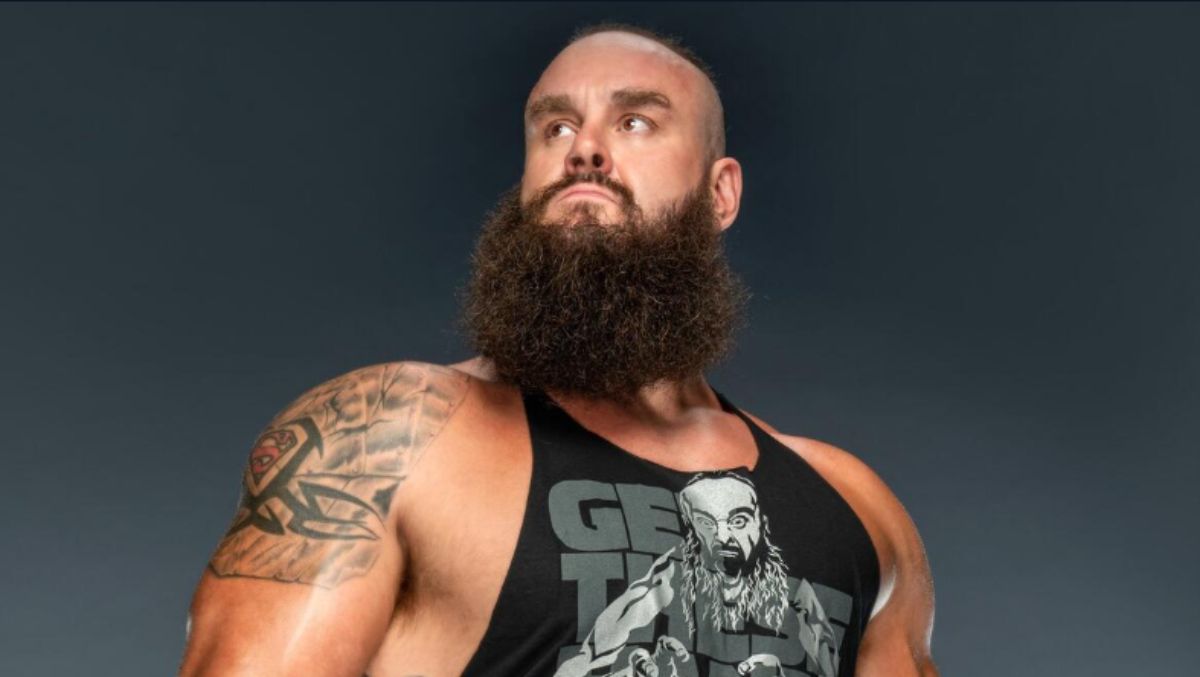
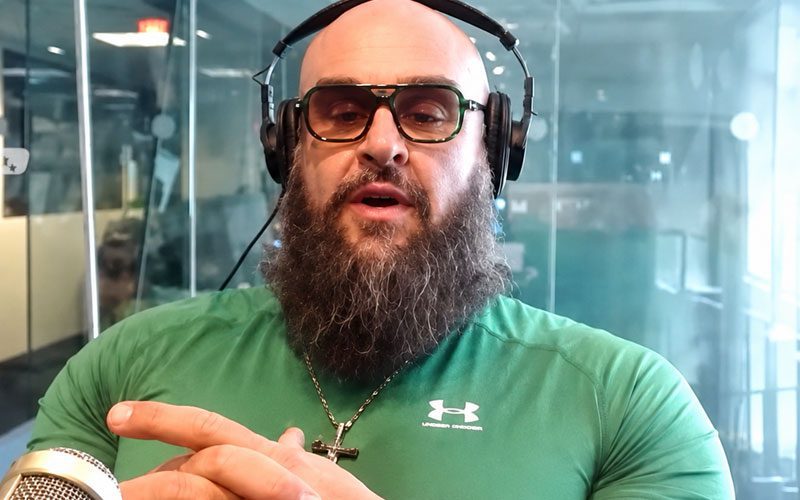
Braun Strowman has broken his silence regarding a potential WWE return. In recent media appearances, the former champion clarified his current standing, noting that any comeback to the promotion is contingent on financial terms and creative direction. While he currently holds a television commitment elsewhere, the door for a return to the ring has not been closed.
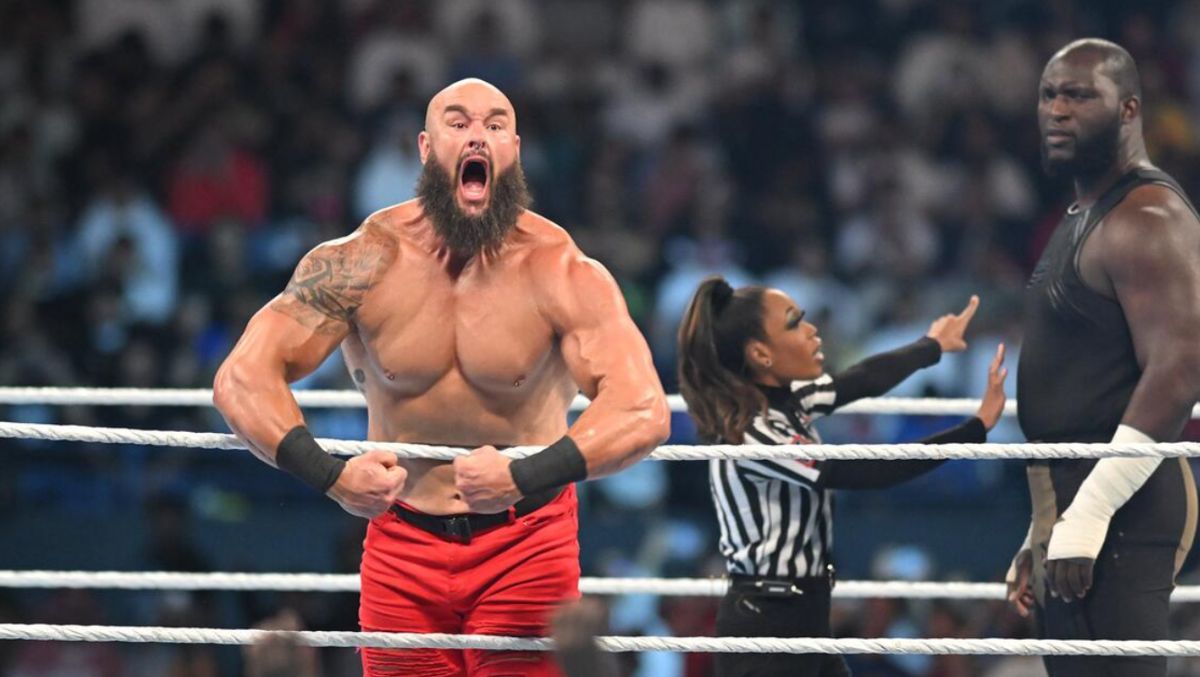
Strowman’s physical conditioning has remained a point of debate following his departure from the active roster. Previously sidelined by significant neck and spinal procedures, his ability to handle a full-time WWE schedule remains the primary concern for promoters. The physical toll of his high-impact style, including the power slams and running barricade charges that defined his initial run, necessitates a cautious approach to his long-term health.
The medical challenge of a high-impact return
History suggests that returning from multi-level spinal fusion is a precarious path for power wrestlers. Similar to the recent inquiries into his status, previous iterations of heavyweights attempting to reclaim top-tier spots often find the recovery timeline extended. WWE medical staff are notoriously rigorous with neurological testing, and they have historically been slow to clear talent who have undergone invasive neck surgery.
The strategic implementation of Strowman would require a significant overhaul of his move set. At 42 years old, the dependence on explosive power moves is not a viable strategy for an extended program. If a comeback occurs, expect a shift toward more grounded, stamina-based wrestling. Avoiding the heavy lifting of smaller performers is the only way to minimize the stress on his lumbar region.
Evaluating the industry impact
The wrestling industry currently operates with a heightened awareness regarding neck health after high-profile retirements in recent cycles. Competitors are moving toward tighter training regimens, and Strowman, should he return, would find a much more scrutinized medical environment. The company has moved away from prioritizing raw size if the associated mobility prevents a safe in-ring experience.
Booking a talent with his medical history creates an inherent risk for the creative team. A recurring injury would derail short-term storylines regardless of the financial investment. Relying on a performer who requires frequent 'medical maintenance' days is a luxury the current show production schedules rarely permit. The decision to bring him back is not merely a contract negotiation; it is a calculation of risk versus ROI.
The reality check
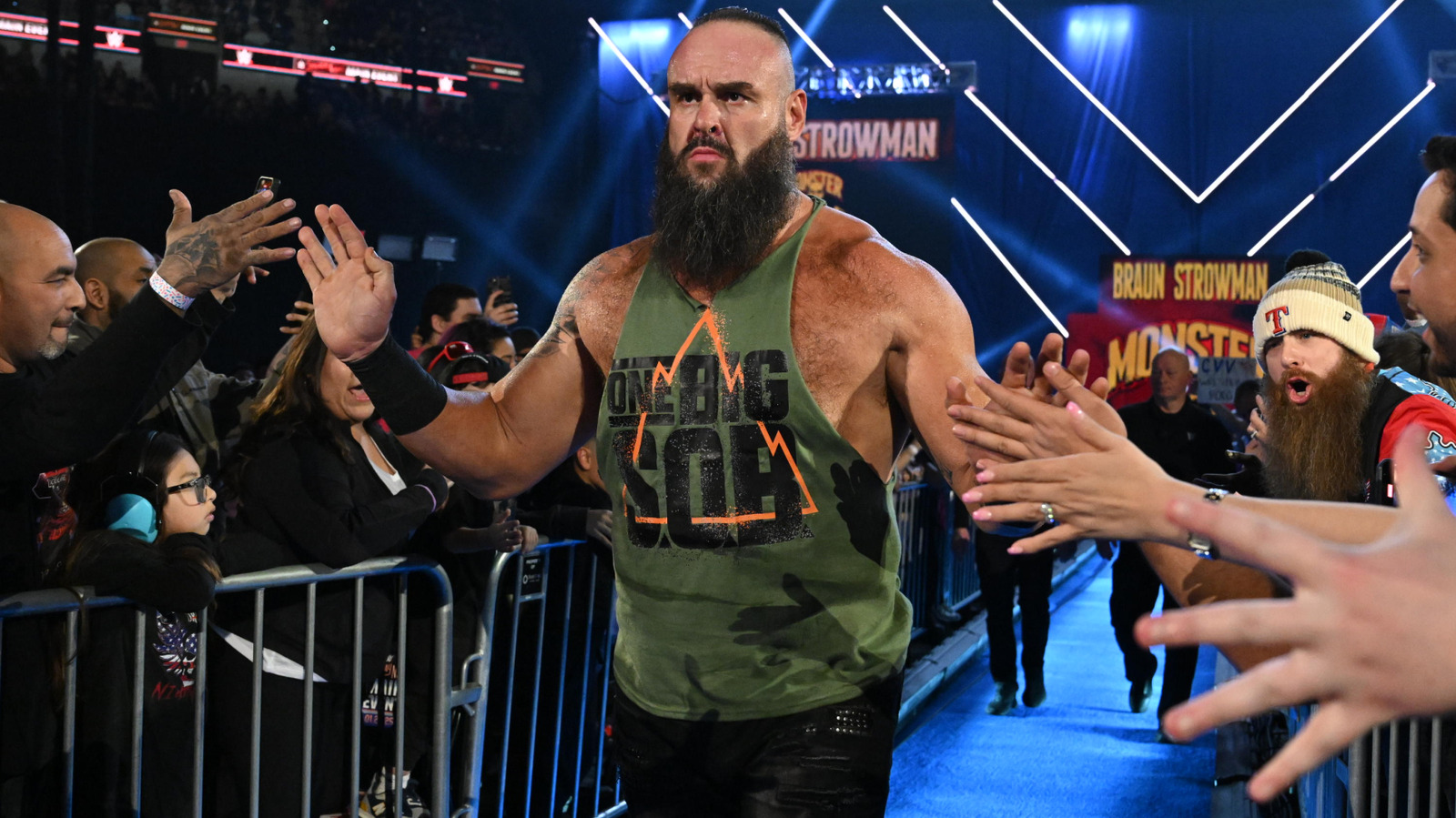
Strowman expects a high price, but the reality is that his value has shifted since his last run. The crowd reaction, while always spirited, has plateaued as fans have seen numerous returns of former champions in recent years. If he is to find his footing, he must prove that his recovery is sufficient to handle multi-city tours without significant downtime. This is an uphill battle given the sheer volume of dates on any major promotion's calendar.
Critics point to the lack of long-term planning for veterans returning to the main event picture. If the promotion pays a premium for his name, they will expect a high frequency of appearances. Whether his body holds up to that specific pressure is the single biggest question that remains unanswered. He is currently looking for the right deal, but until he demonstrates full-speed mobility in a controlled setting, he is a significant gamble for any promotion looking to build a new program.