The elephant in the writer's room
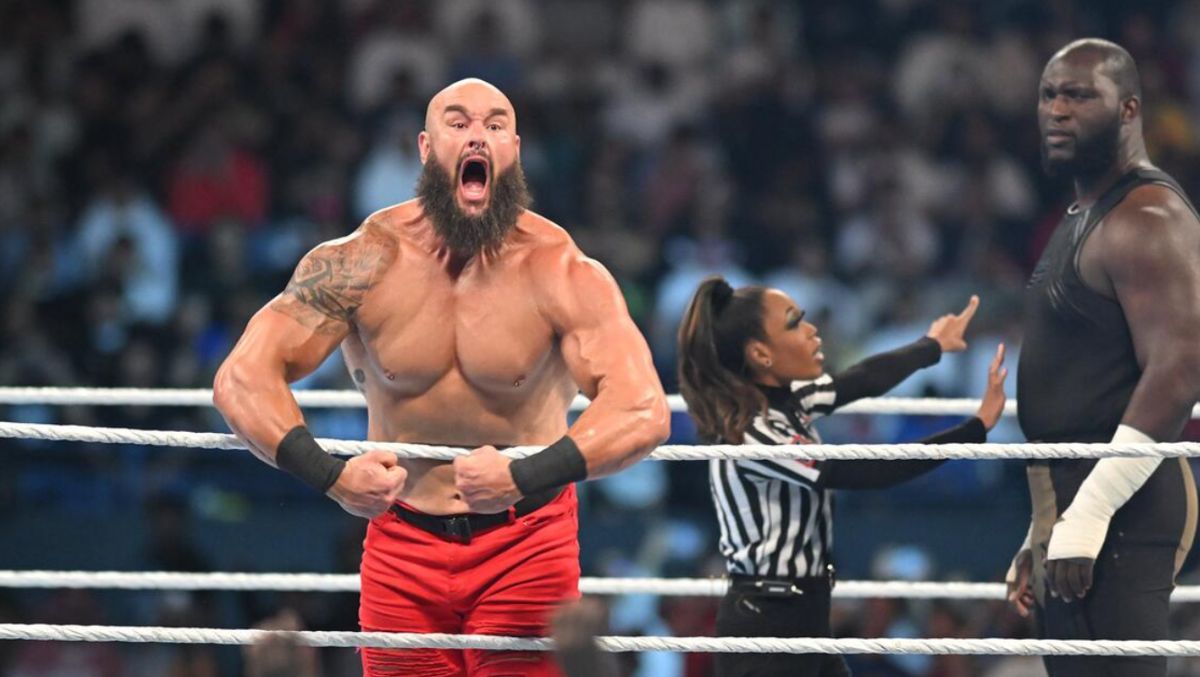
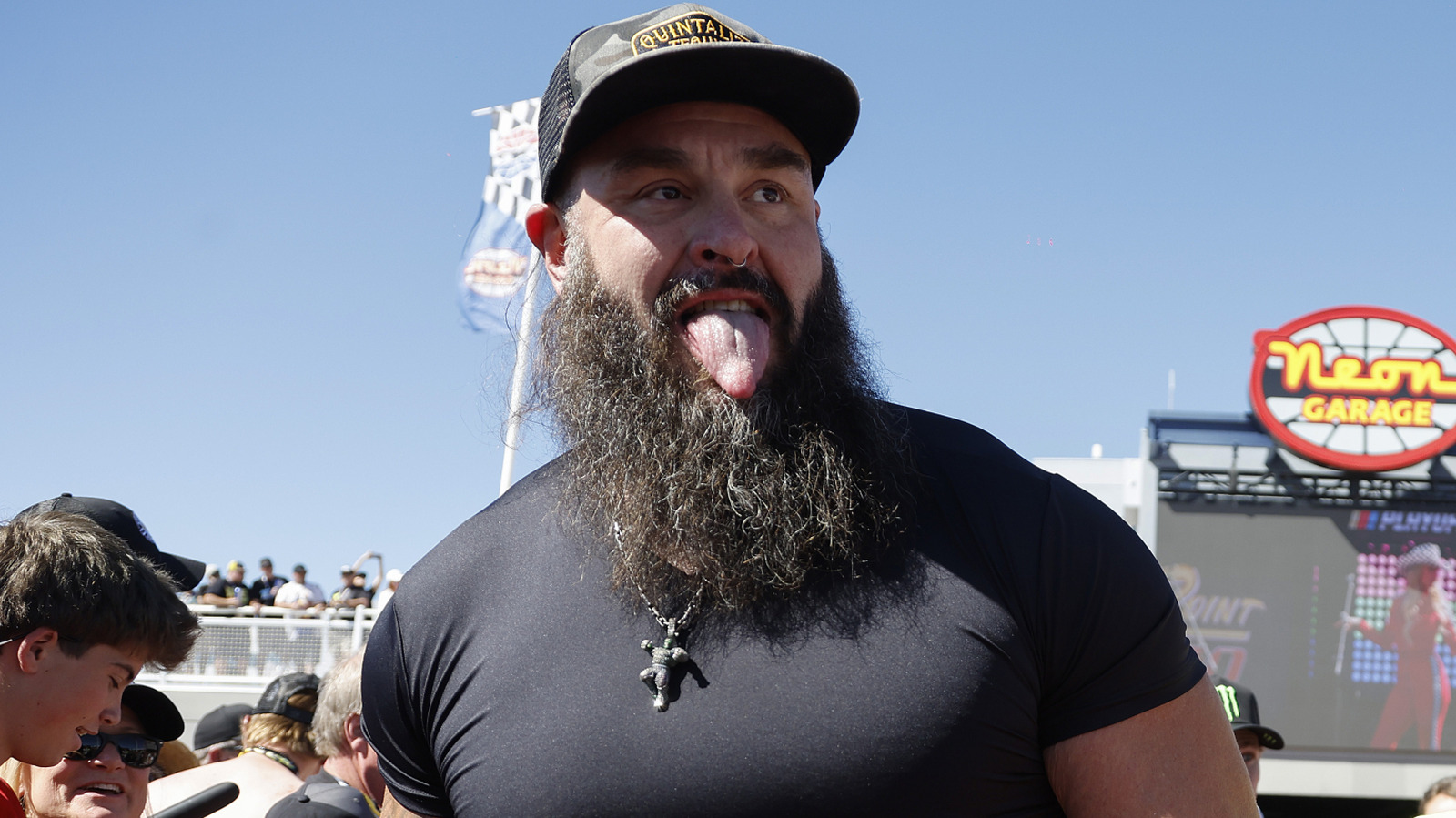
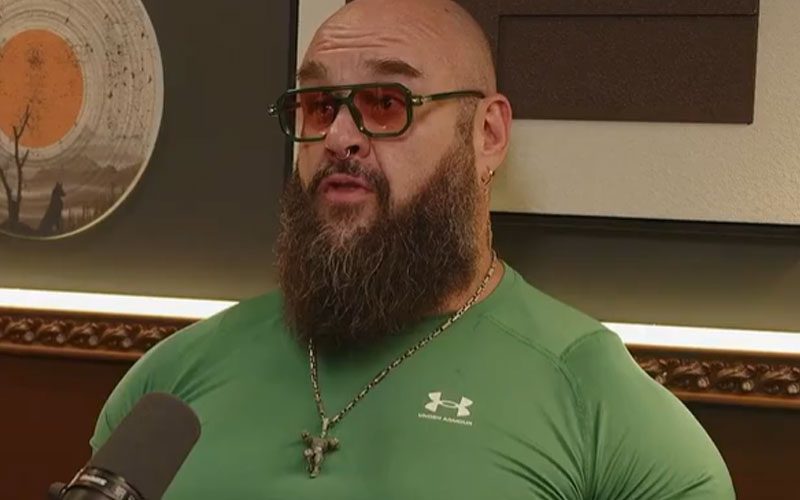
Braun Strowman just said the quiet part out loud. Reflecting on his WWE run, the former Universal Champion dropped a truth bomb that every fan watching between 2017 and 2021 already knew. As reported by Ringside News, Strowman bluntly stated that "sometimes the scripts sucked." He isn't wrong.
For years, WWE programming felt like an assembly line of disjointed dialogue. Writers handed talent pages of micro-managed promos that sounded nothing like how actual humans speak. Strowman was a towering, bearded monster who flipped ambulances and pulled down lighting rigs. Yet, he was regularly forced to recite stilted monologues that stripped away his terrifying aura.
He was supposed to be a force of nature. Instead, he was a guy reading lines off a clipboard. When discussing his approach to the awful material, Strowman offered a blunt assessment of his reality.
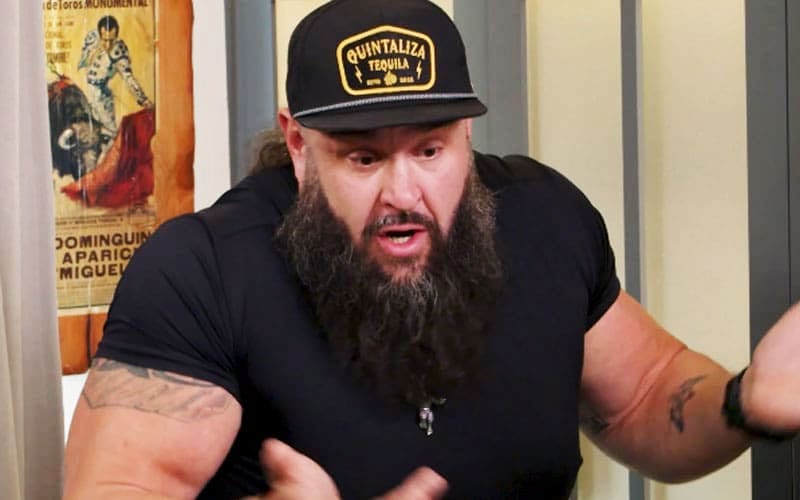
"Sometimes the scripts sucked... I had to make the best of it."
He summarized the entire existence of a main roster WWE superstar during that era. You take the garbage handed to you, and you try to make it shine.
The damage of bad creative
Think back to Strowman's peak. In 2017, he was arguably the hottest act in the company. The crowd roared when he roared. He was tossing Roman Reigns around on a stretcher and throwing office chairs with terrifying velocity. He looked like an unstoppable horror movie villain let loose in a wrestling ring.
His match against Brock Lesnar at No Mercy in September 2017 was the tipping point. The build-up was magnificent, with Strowman manhandling The Beast Incarnate on weekly television. Fans were rabid for a title change. Instead, the bell rang, they wrestled a bizarrely sluggish nine-minute match, and Lesnar pinned him with a single F-5. It was a deflating finish that severely damaged his credibility. The scripts had built him up, but the match layout tore him down entirely.
Then the promo scripts took over. Instead of letting him be a silent destroyer, WWE handed him a catchphrase. "Get These Hands" started organically, but management quickly beat it into the ground. They printed the t-shirts, they made him say it in every promo, and the organic cool factor evaporated. It became a corporate slogan repeated endlessly until it lost all meaning.
The creative nadir wasn't just the dialogue, though. It was the angles. We all remember WrestleMania 34. Strowman needed a tag team partner to challenge The Bar for the RAW Tag Team Championship. Instead of a returning legend or a rising NXT star, the script gave him a ten-year-old boy named Nicholas from the crowd.
It was a cute moment for the kid, sure. But it actively sabotaged Strowman's momentum. You don't take a guy who flips semi-trucks and turn him into a comedy babysitter on the biggest show of the year. He was never quite the same after that night in New Orleans. The monster had been thoroughly domesticated.
The train sound effects and the swamp
The indignities didn't stop there. By 2021, the creative direction for Strowman had derailed entirely. He was locked into a feud with Shane McMahon that revolved around McMahon calling him stupid. It was lazy booking that relied on middle-school insults rather than actual wrestling heat. The promos during this feud were notoriously difficult to watch.
Then came the matches themselves. The scripting of his bouts became agonizingly predictable. He would run around the ring doing his shoulder block spots, accompanied by literal train sound effects piped into the broadcast. It was cartoonish. It reduced a legitimate physical specimen to a Saturday morning caricature.
We also have to talk about the Wyatt Swamp Fight. The cinematic match trend of the pandemic era gave us some brilliant moments, like the Boneyard Match. But Strowman's excursion to the swamp was a messy, overbooked disaster. The script called for him to be dragged underwater and magically replaced by "The Fiend." It was convoluted storytelling that asked the audience to suspend way too much disbelief.
A critical look in the mirror
But here is where we need to be honest. It is incredibly easy to blame the writers. It is the oldest excuse in the professional wrestling playbook. While Strowman is entirely justified in criticizing the material he was handed, he isn't completely blameless for how his run ultimately cooled off.
A script doesn't wrestle the match. When the bell rang, Strowman's limitations were often glaring. He was incredibly explosive for the first five minutes of a bout. If a match went beyond 10 minutes, however, the cracks began to show. His cardio often failed him, and his offensive repertoire was incredibly shallow. He relied entirely on his size to carry the narrative.
Great workers can elevate bad creative. Look at what CM Punk or Bryan Danielson did with subpar material over the years. They found ways to inject their own psychology into the matches to save the segments. Strowman rarely showed that ability. If the script was bad, the segment was bad. He didn't have the improvisational skills to pivot when a crowd died on him.
Furthermore, his selling was highly inconsistent. Sometimes he took damage like a giant should, brushing off blows. Other times, he would bump around for smaller guys in ways that killed his own mystique. You can't blame a writer in Stamford when you take a bad bump in the middle of the ring. His matches often lacked the basic structural psychology required of a main event player.
Making the best of it
When Strowman says he tried to make the best of it, according to F4WOnline, you have to respect the grind. He showed up, he hit his marks, and he delivered what the boss wanted. In a corporate environment like WWE, being a good soldier keeps you employed. He rarely complained publicly while under contract, doing exactly what was asked of him.
He won the Universal Championship at WrestleMania 36, stepping in for Roman Reigns at the last minute. He beat Goldberg cleanly. He carried the SmackDown brand through the toughest early days of the empty-arena Performance Center era. He worked hard when the company needed a reliable big man during an unprecedented global crisis.
But the "best of it" was often just passable. It lacked the dangerous, unscripted edge that made him a breakout star in the first place. The Monster Among Men was held back by writers who didn't understand how to book a giant, and by his own inability to transcend the page.
The current era contrast
Strowman's comments highlight just how much things have changed recently. As we look ahead to WrestleMania 41 on April 19, 2026, the product feels entirely different. The current creative regime allows talent to breathe. Promos feel more like bullet points and less like memorized soliloquies.
If a talent like Strowman debuted today, he probably wouldn't be saddled with train noises or ten-year-old tag partners. He would be protected. He would be allowed to smash things and leave the talking to a manager, or keep his words brief and violent. The booking would emphasize his strengths rather than exposing his weaknesses on live television.
We are seeing big men thrive in the current environment without being reduced to comedy acts. The scripting is looser, the matches make more sense, and the talent is trusted to get themselves over. Strowman was a victim of a very specific, micro-managed era of WWE television that seems entirely foreign today. The freedom afforded to current stars stands in stark contrast to the handcuffs placed on Strowman.
Owning the legacy
Braun Strowman's legacy is complicated. He is a former world champion who main-evented multiple pay-per-views. He made millions of dollars and traveled the world. By any objective metric, his career is a massive success. Few men his size ever reach the pinnacle of the industry.
His return to the company in 2022 was met with mild enthusiasm, but it quickly became apparent that his role had shifted. He was no longer the centerpiece of the program. Injuries have plagued his recent run, forcing him to watch from the sidelines as a new generation of heavyweights like Bron Breakker and Oba Femi take center stage. They move faster, hit harder, and aren't burdened by the ridiculous gimmicks Strowman had to endure.
Yet, there will always be a lingering sense of missed potential. What if he had been allowed to just be a monster? What if the scripts hadn't forced him into awkward comedy? What if the booking had protected his aura instead of exposing his weaknesses? The answers remain elusive.
Strowman is right to call out the bad scripts. They were genuinely terrible. But as a performer, you have to own your entire body of work. The bad writing didn't help, but his own in-ring ceilings kept him from becoming a true generational draw. The script sucked, but sometimes, so did the execution.