The Reality of the Scripted Monster
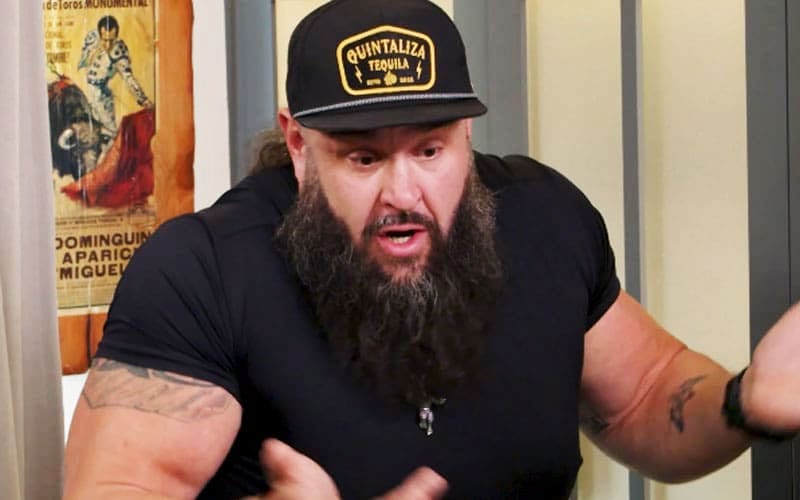
As a medical and fitness reporter, I spend my days tracking torn ligaments, concussion protocols, and recovery timelines. But sometimes, the most significant damage a wrestler sustains is not physical—it is entirely creative. Braun Strowman is finally speaking out about the frustrating reality of WWE's writing process. The former Universal Champion recently opened up about his time in the company, explicitly stating that the scripts he was handed often sucked, as Wrestling Inc reported.
Following his surprising release from WWE in 2021, Adam Scherr had plenty of time to reflect on the constraints of television wrestling. In recent comments highlighted by F4WOnline, Strowman detailed how heavily scripted promos restricted his ability to perform naturally. When you are billed as the "Monster Among Men," reading verbatim from a page written by a Hollywood comedy writer rarely translates to intimidation.
Strowman noted that he often felt his hands were completely tied by the creative direction. Instead of reacting organically to the crowd or his opponents, he was forced to memorize lines that did not fit his character. The disconnect between what fans wanted to see and what the writers wanted him to say was massive. Wrestling is supposed to feel dangerous, but reciting a corporate script makes it feel sterile.
"Sometimes the script sucked, but I had to make the best of it."
That single quote, widely circulated this week, explains years of confusing television. Strowman was doing exactly what his bosses demanded, even when he knew the material was awful. He swallowed his pride, took the microphone, and delivered the lines.
The Problem with Scripting Big Men
The core issue Strowman highlighted is not unique to his career. WWE has a long history of taking physically imposing athletes and forcing them into a rigid creative box. When Strowman debuted as the black-sheep enforcer of the Wyatt Family, his silence was his best asset. He stood behind Bray Wyatt, wore a sheep mask, and destroyed people without saying a word.
As he transitioned into a singles star, the demands changed immediately. WWE management wanted him to carry long in-ring promotional segments. Suddenly, the monster was cracking jokes, tipping over production trucks, and making train noises while running around the ring. The transition from terrifying giant to sports entertainment caricature was entirely driven by the scripts he is now criticizing.
We saw this peak during his feud with Shane McMahon leading into WrestleMania 37. The storyline notoriously revolved around McMahon calling Strowman stupid, complete with slime spots and grade-school insults. Strowman had to stand in the ring and deliver long, agonizing rebuttals about being bullied. It was the exact type of heavily scripted, micro-managed content that actively hurts a wrestler's aura.
The script sucked, and he had to make the best of it. He went out there and wrestled a steel cage match, took a massive bump from the top of the cage, and tried to salvage the awful build-up. But the damage to his terrifying persona was already done. Fans remember the terrible promos just as clearly as the impressive stunts.
Life Outside the WWE Bubble
After his release, Strowman explored the independent circuit and launched the Control Your Narrative promotion alongside EC3. This post-WWE phase allowed him to experience the industry without the filter of a writing team. He has spoken at length about the freedom of going out to the ring with a general direction rather than a memorized monologue.
This freedom highlights a massive flaw in modern wrestling production. WWE operates as a television show first and a wrestling promotion second. The insistence on scripting every word ensures that the broadcast hits its commercial breaks perfectly on time. However, it also strips the performers of their individuality and natural cadence.
Strowman's frustration is shared by dozens of former roster members who felt they were playing a role written by someone who did not understand wrestling. Writers are tasked with filling three hours of Monday Night Raw every single week. They write dialogue for a giant, completely forgetting that the giant should probably just roar and throw a desk.
Making the Best of Bad Creative
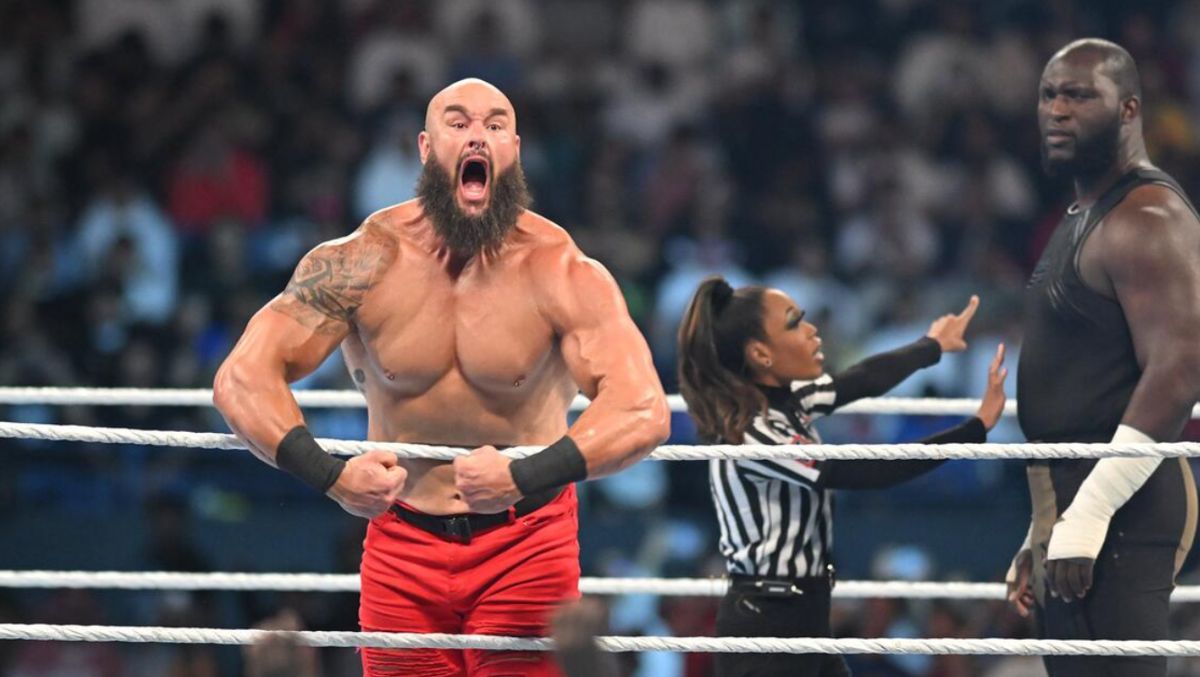
Despite the complaints, Strowman's ability to take bad creative and make it work is a major reason he achieved the success he did. Winning the Universal Championship from Goldberg at WrestleMania 36 was a career highlight, even if the build-up was chaotic and rushed due to a global pandemic.
He won the Money in the Bank briefcase, captured the Intercontinental Championship, and famously won a tag team title with a child named Nicholas at WrestleMania 34. You do not get through those bizarre segments without a willingness to play ball. Strowman did what was asked of him every single night, regardless of how ridiculous it felt.
However, the resentment clearly lingered beneath the surface. Being a top star in WWE requires a massive amount of mental endurance. You are not just fighting your opponents in the ring; you are fighting the script backstage. Strowman's admission is a rare peek behind the curtain from someone who was heavily pushed by the machine but still felt completely restricted by it.
The Evolution of the Promo
Wrestling relies on authenticity to sell tickets. When a fan watches a promo, they want to believe the anger is real. Memorized lines destroy that illusion instantly. Strowman's critique is a stark reminder of the dark days of WWE's heavily micro-managed creative era under the previous regime.
The best moments of Strowman's career felt unscripted and chaotic. When he attacked Reigns, yelled that he was not finished with him, and destroyed a vehicle, it felt dangerous. It felt like a monster off the leash. That was the Braun Strowman the fans paid to see, not the man reading a three-page monologue about his feelings.
But for a guy like Strowman, the damage of the scripted era is a defining part of his career retrospective. He was a monster who was told exactly when to roar and exactly what to say before he did it. It is incredibly hard to be the scariest man in the room when you are visibly trying to remember your next line.
The Cost of Restraint
Strowman is not asking for sympathy. He made millions of dollars, headlined massive pay-per-views, and won world championships. But his honesty about the creative process validates the complaints hardcore fans have voiced for years. The segments on television felt forced because they actually were forced backstage.
The dialogue sounded unnatural because it was unnatural. It was written by people trying to write a television drama, not a violent wrestling show. Strowman was just the massive guy holding the microphone, trying to survive the script without completely ruining his hard-earned credibility.
Ultimately, Strowman's comments are a warning to the current writers in professional wrestling. If you have a 385-pound monster on your roster, let him be a monster. Do not hand him a script. Point him at the ring, ring the bell, and get out of the way.