The finisher spam debate misses the tactical reality
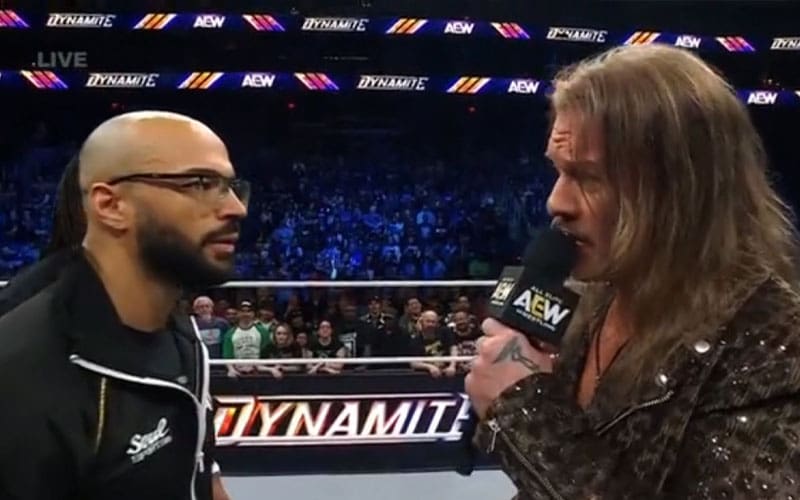
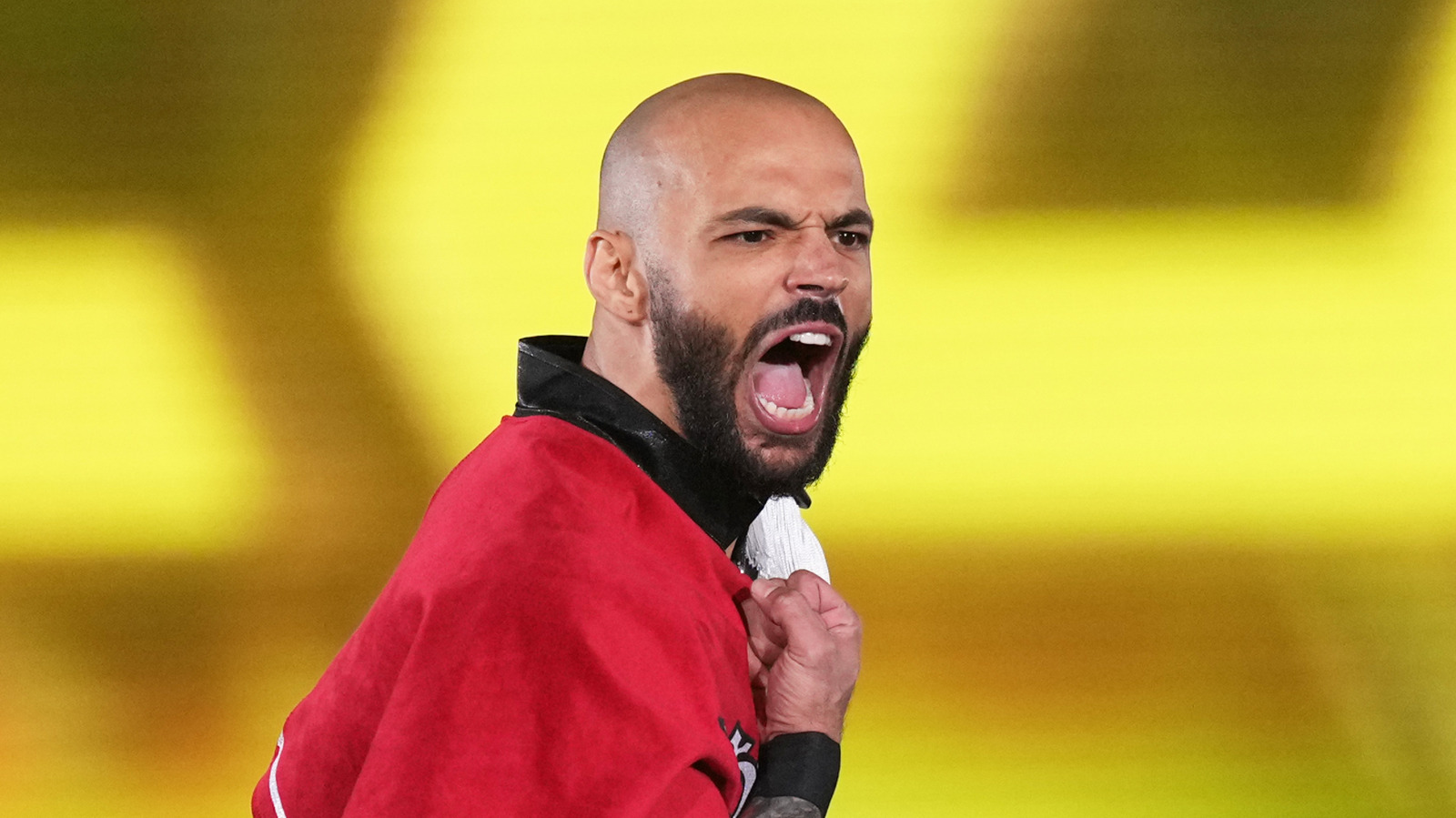
The latest friction between Booker T and Ricochet over the excessive use of high-impact moves reveals a fundamental disconnect in modern wrestling psychology. Booker T, speaking on his podcast, characterized the current trend as “finisher spam,” arguing that moves once protected by years of history are now treated as routine transitions. Ricochet countered by citing the pacing of current television and an homage to aesthetic influences like Dragon Ball Z.
This is not merely a generational clash. It is a debate about the value of scarcity. When a high-impact move hits 0 times in four minutes, it sells its own utility. When it hits six times in one segment, it ceases to be a weapon and becomes a choreographic flourish. Ricochet’s defense centers on speed, but speed without stakes inevitably leads to audience desensitization.
The AEW ripple effect
The industry is currently wrestling with its own identity, as Booker T noted regarding the common perception of his take on AEW. Fans often paint him as a detractor, but his critique is a consistent standard of performance theory. He is looking for a cadence that allows the crowd to breathe between the peaks of the match.
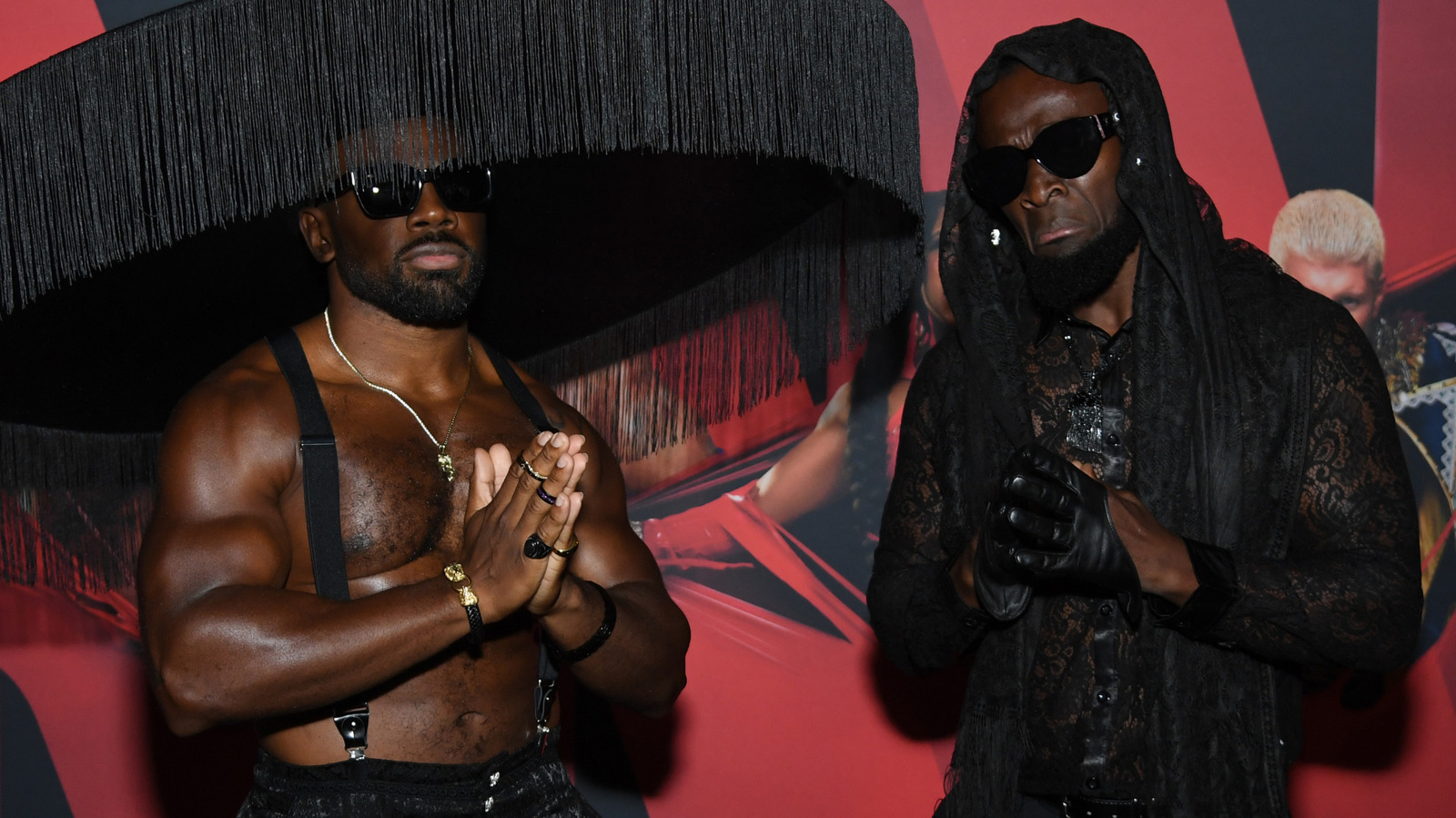
Meanwhile, the business continues to move in multiple directions simultaneously. We have The Young Bucks actively fueling speculation about a potential New Day jump to AEW in recent livestreams. If that move happens, the roster bloat might become a legitimate problem for booking logic. AEW is already busy enough that its stars are landing spots in Hollywood, with multiple AEW performers reportedly filming scenes for the upcoming Spielberg project, Disclosure Day.
Why match pacing matters more than moves
Jon Moxley recently touched on the necessity of live engagement, noting that the electricity of the arena is the true measure of success. The issue with constant finisher spam is that it relies on visual spectacle over the visceral reaction that a well-built hot tag or a simple, perfectly executed mat wrestling sequence provides. The psychology is the engine; the finishers are the headlights. If you leave the headlights on during the day, nobody notices when it actually gets dark.
The risk for promotions like AEW is that they prioritize the "moment" over the "match." If every encounter is a highlight reel, the viewer eventually stops watching the individual segments. Ricochet is a world-class athlete, but his insistence that modern fans just see the business differently fails to account for the history of crowd psychology. A match that hits its peak at the 20-minute mark with a single, decisive finisher will always carry more weight than a contest that hits five finishers in the opening 10 minutes.
My prediction for the summer? We are going to see a cooling effect on spot-heavy matches as promoters realize that “more” does not equate to “better.” The promoters who lean into pacing will win, while those who chase the noise of finisher spam will struggle to maintain long-term audience retention. Book it.