The technical legacy of the Colons in the modern ring
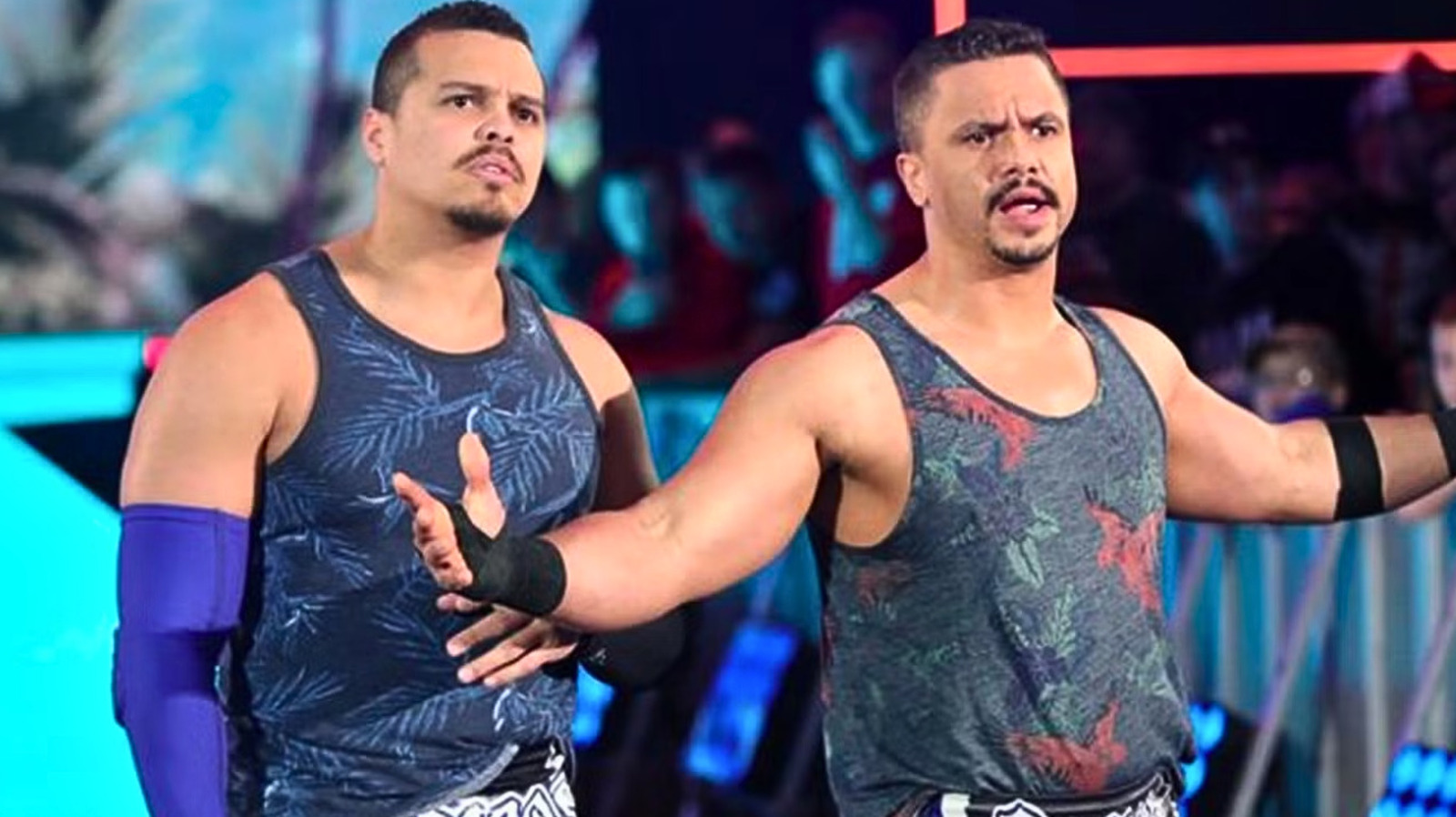
When Primo and Epico Colon reminisce about their time in the squared circle, they aren't citing blockbuster main events or record-breaking pay-per-view buy rates. They are talking about the grind of the 2010s, a period defined by the frantic, often thankless, pursuit of building quality television matches from the undercard up. Their recent reflections on their favorite opponents highlight a shift in how we perceive workhorses versus stars.
The duo spent years navigating a roster that often prioritized massive heavyweights over specialized tag teams. Watching their old matches, you notice a specific level of fluidity that was lost in the subsequent transition to slower, more cinematic pacing. They were consistent in executing the transition from a top-rope hurricanrana into a high-impact backstabber, often landing with precision that forced referees to count at top speed.
Evaluating the impact of technical undercard bouts
We often romanticize the main event scene while ignoring the foundational work performed by tag units. The Colons operated with a functional efficiency that relied on high-repetition training cycles and internal chemistry. It is worth noting that their career trajectory suffered from inconsistent creative direction, which effectively capped their ceiling during their most active years.
Booking teams frequently treated their segments as filler material between top-of-card promos. This lack of strategic placement remains one of the most glaring errors in mid-2010s production, as talent like the Colons possessed the technical base to anchor any show's opening hour. If you look at the matches they cite as personal milestones, you see a masterclass in pacing despite the lack of narrative stakes.
The mechanics of the mid-card struggle
- Execution of the backstabber remains a benchmark for technical precision in tag wrestling.
- The struggle to maintain momentum during the 2013-2015 era was hampered by disjointed writing.
- Tag teams within this era functioned as the backbone for live house show loops.
As Wrestling Inc recently documented, the perspective from the veterans themselves provides a sobering reminder that a wrestling career is measured by the quality of one's dance partners. They weren't fighting for championships in every slot, but the technical exchanges against rivals of similar weight classes forced a refined, rapid-fire style that feels absent from today's slower, more deliberate performances.
Critics might point toward their repetitive character shifts as a reason for their lack of permanent traction. However, isolating the workrate from the booking reveals a team that hit their marks with 95 percent accuracy during their peak. That level of reliability is rarely seen when the spotlight is constantly shifting.
The final verdict on the Colon era
Looking ahead, the industry would be wise to study the rhythm of the 2012-era tag division. The speed of the exchanges and the economy of motion serve as a template for efficiency. I predict that as the current talent pool continues to prioritize long-term storytelling over rapid-fire technical work, we will see a resurgence in appreciation for the high-octane, move-heavy style that the Colons championed.
It is not a trend I expect to take over completely, but it is a necessary corrective measure for a product that often drags in the middle. The Colons didn’t need a complex gimmick to remind us how a clean sequence should look. My call is that their influence will be felt in the coming months as mid-card talent pushes for faster, harder-hitting openers that don't rely on outside-the-ring interference.