The Philadelphia test under the lights
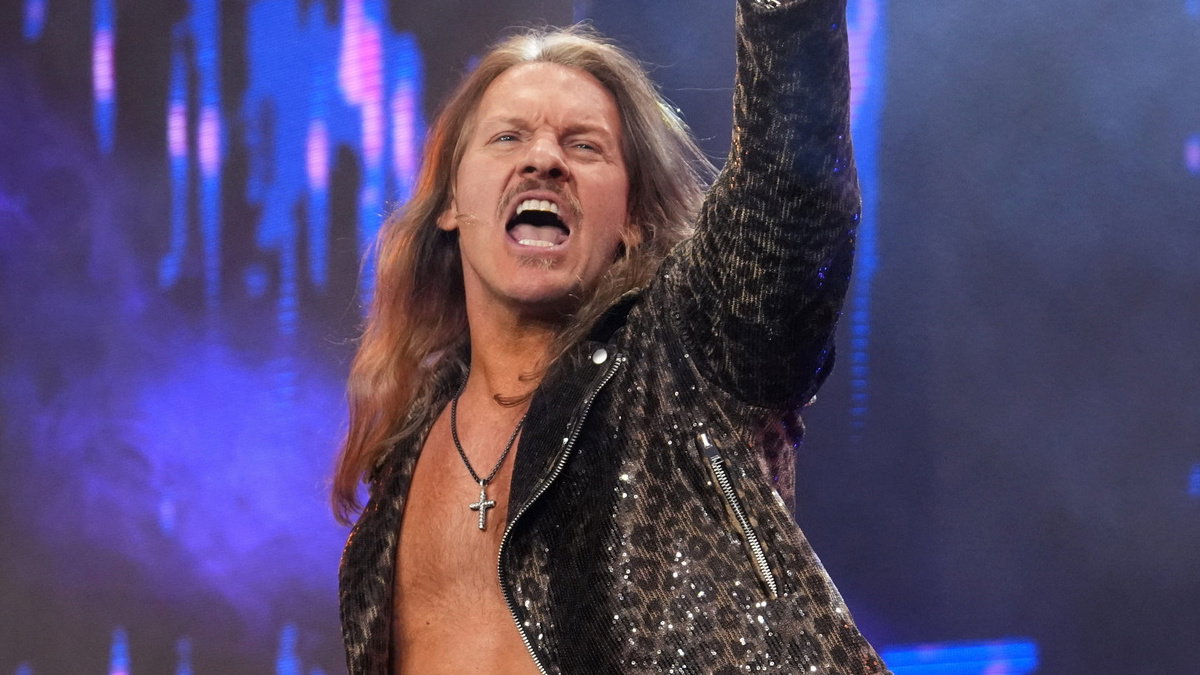
AEW arrived in Philadelphia on May 27 with a clear mandate to tighten their in-ring psychology before the airwaves opened on TBS. The pre-broadcast sequence offered a window into the current state of the promotion. Fans expecting a polished product were met with a series of frantic adjustments that highlighted the gap between house show experimentation and televised precision.
We watched performers test specific sequences in the corner, refining their timing before the red light flickered on. There is a persistent inconsistency in how AEW transitions from these dark match sessions to the high-stakes broadcast block. When the clock strikes showtime, the margin for error evaporates, yet several segments throughout May have lacked the cohesive pacing required to retain a volatile audience.
The pacing problem
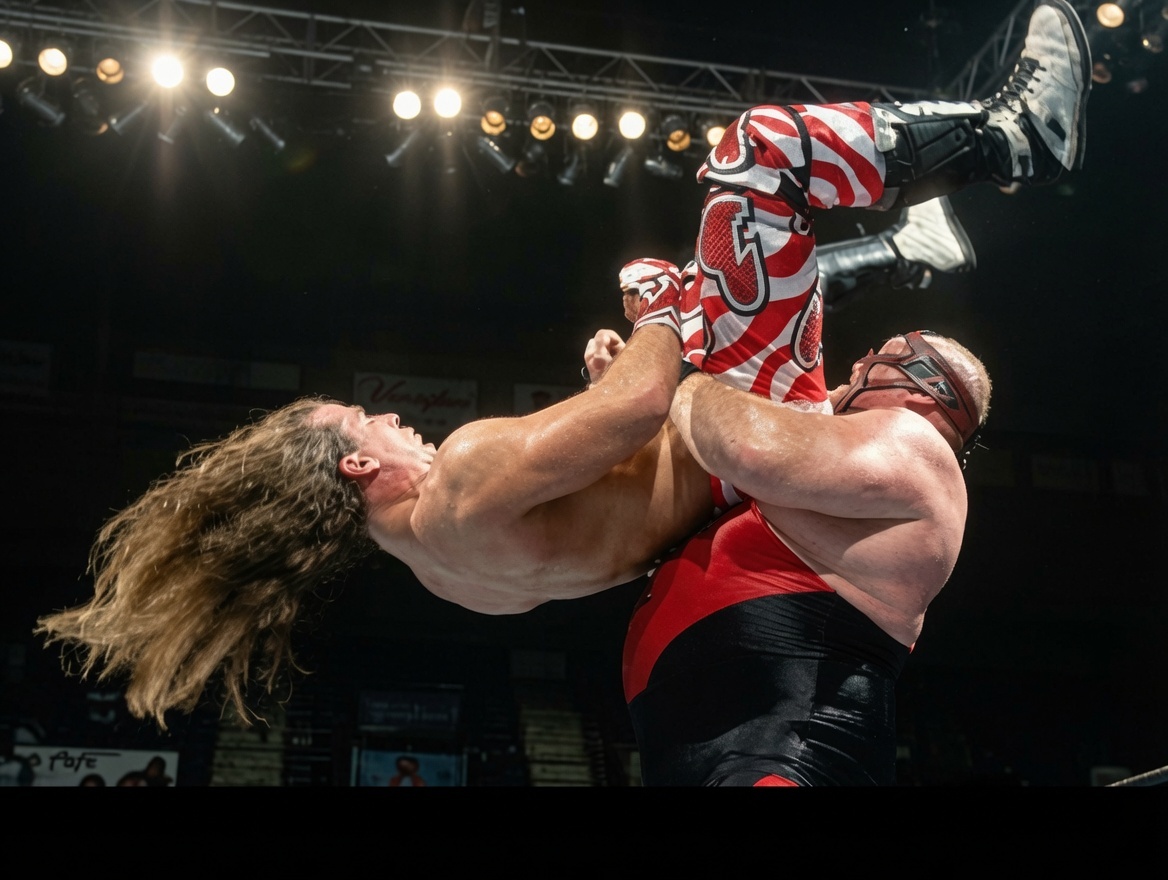
For all the athleticism on display, the structural flaws are becoming harder to ignore. We see high-impact moves occurring in quick succession without adequate selling. A superkick exchange followed immediately by a Canadian Destroyer fails to elicit a genuine emotional investment because the preceding beats were rushed. It creates a frantic tempo that prioritizes the highlight reel over a logical narrative progression.
The reliance on rapid-fire sequences forces referees into awkward positions, often making them look peripheral to the action. If a match is designed to be a technical clinic, the officiating needs to enforce the rules rather than standing as glorified stagehands. Developing depth in the mid-card requires more than just rotating opponents; it demands a shift toward consistent in-ring psychology that favors impact over excess.
Refining the product
As Ringside News noted regarding the Philadelphia preparations, these pre-show moments are the laboratory for what the world eventually sees. However, the translation from the laboratory to the living room is losing nuance. Matches that could lean on technical grappling or grounded limb work are instead gravitating toward high-spot heavy blueprints. This shift alienates the viewer looking for a compelling story to anchor the violence.
A critical look at the current roster reveals a clear issue: too many talents lack a distinct finisher identity that feels definitive. We are in an era where the 3-count seems like a rare occurrence unless a signature maneuver is hit three or four times in a single match. This deflation of the near-fall renders standard offense meaningless. If every strike is treated as a major beat, the true climax loses its resonance.
The tactical outlook
Moving forward, the booking team must prioritize match length distribution. On May 27, we saw how condensed segments can lead to telegraphing, where the crowd knows exactly when the commercial break will interrupt the momentum of a hot tag. This predictability is the enemy of suspense in modern wrestling.
My prediction for the coming weeks is that AEW will be forced to simplify their ring work to regain lost momentum. We will likely see a move toward more focused, deliberate matches that utilize the full 10 to 15 minute windows rather than cramming three separate storylines into a single rapid-fire bout. Efficiency is the key to recovery here, and failing to tighten these windows will result in a continued slide on the key demographics.
The talent is undeniable, but the execution needs a radical audit. Stop chasing the next viral clip and start building a match that holds my attention past the first rope break. That is the only way to solidify a brand that feels like a legitimate alternative rather than a highlight reel waiting for a narrative to arrive.