The art of the professional wrestling loss
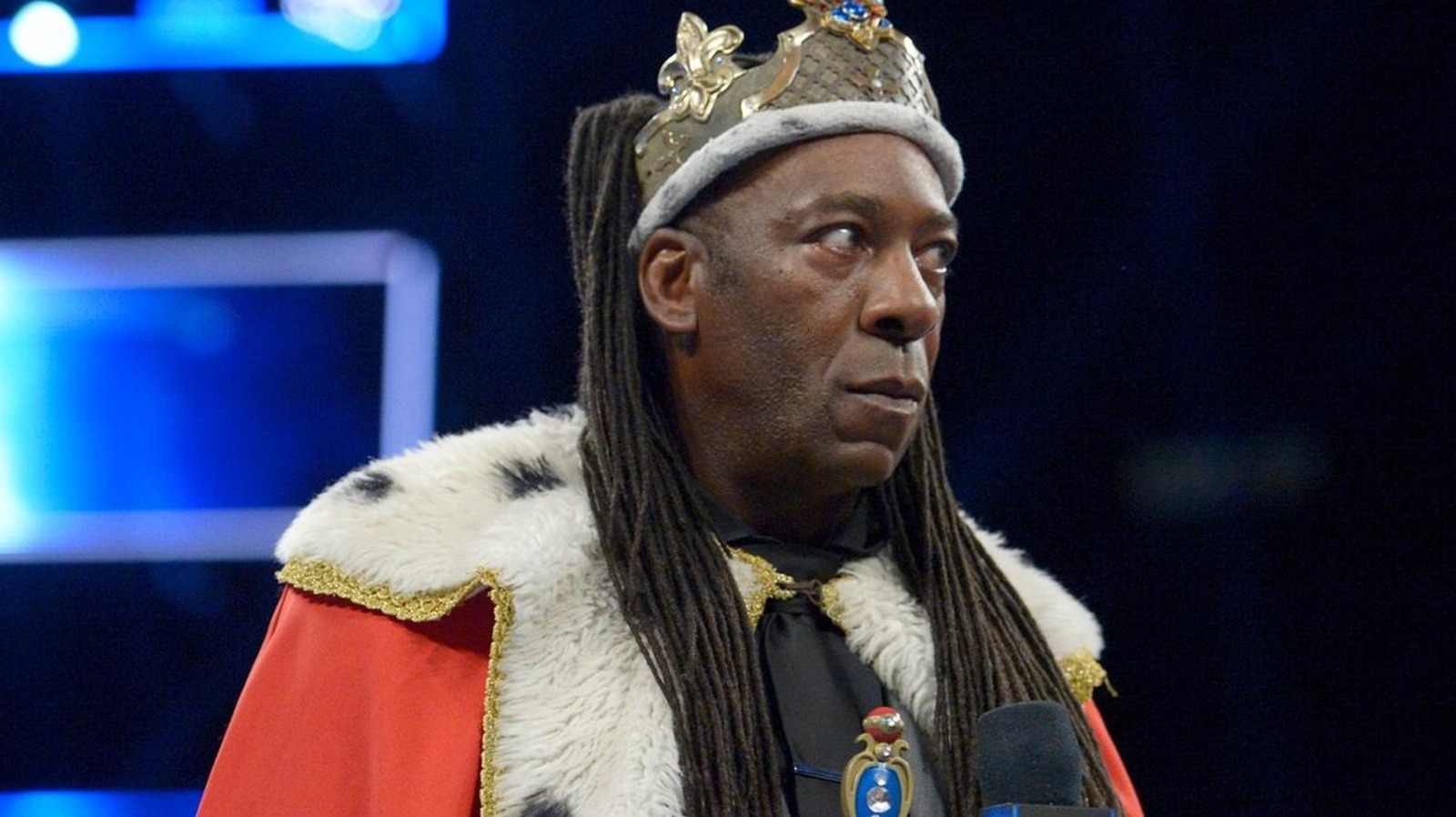
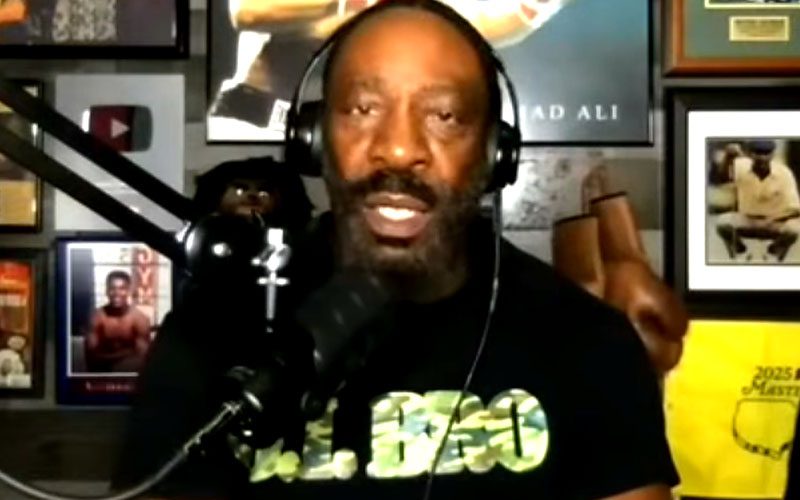
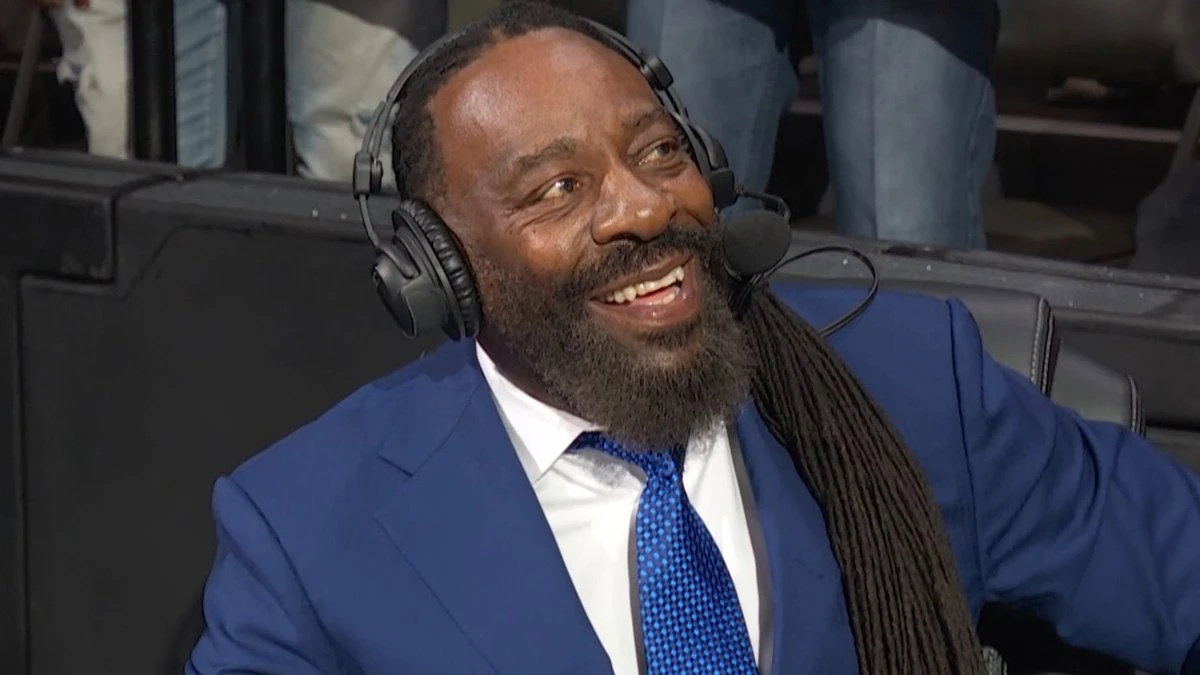
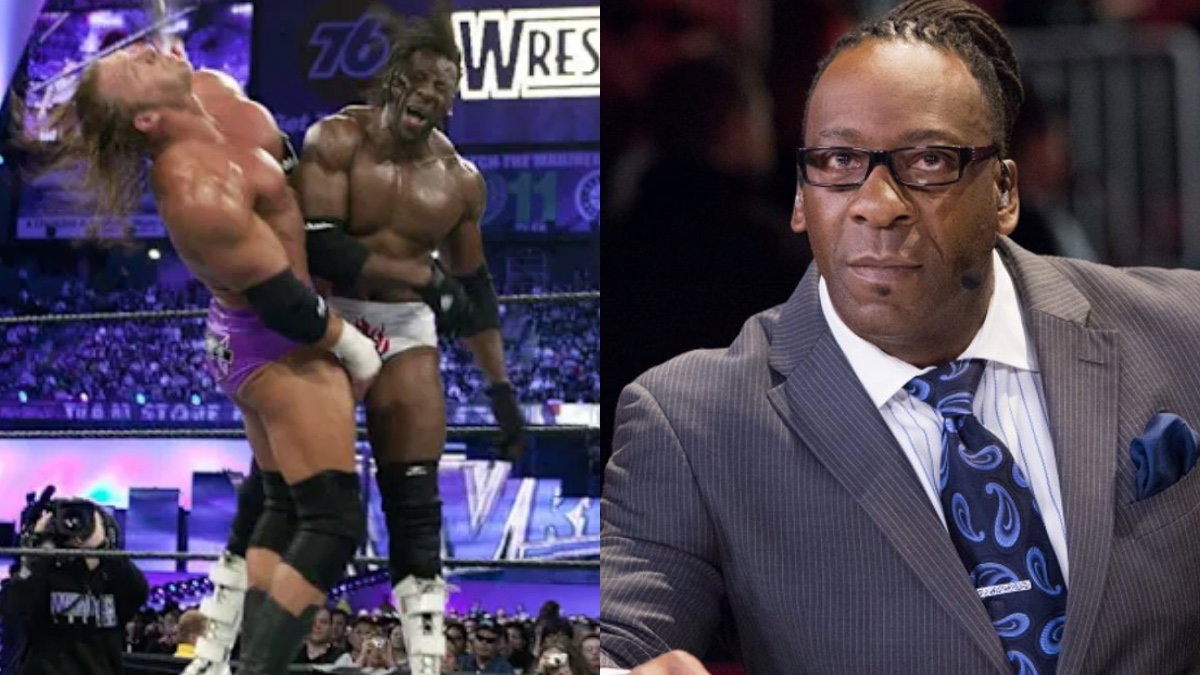
Let’s be honest, the modern wrestling fan treats a pinfall like a funeral. If your favorite mid-card guy eats a loss on a random Tuesday, Twitter erupts with claims that his push is dead and he’s headed for the unemployment line. Booker T recently stepped into the ring of public opinion with a different take, arguing that his own career was never derailed by a single defeat because it all depends on how you take the fall.
As WrestleTalk reported, the Hall of Famer remains adamant that the finish of a match matters less than the presentation surrounding it. He’s talking about the psychology that seems to have vanished somewhere between the ruthless aggression era and the current streaming content machine. If you go out and put on a clinic, you can afford to stare at the lights for three seconds.
The booking problem in 2026
Booker T is speaking as a guy who had the natural charisma of a movie star. He could get over just by walking to the ring and doing the Spin-a-roonie even if he’d been jobbed out to a curtain-jerker the week prior. Most of the current roster doesn't have that luxury. When you strip away the top of the card, the rest of the locker room feels like they are competing for a bronze medal in a vacuum.
The issue isn't the loss itself; it's the lack of follow-up. In the old days, a guy would lose a high-profile match at a major event, disappear, and re-emerge with a new edge or a chip on his shoulder. Now, a talent loses a back-and-forth thriller and is back to doing a squash match on the next television taping with no narrative arc. It turns every loss into a statistical footnote rather than a character-building moment.
The flaw in the Hall of Famer's logic
There is a glaring hole in the idea that "how you lose" is the only thing that counts. You can have a 20-minute masterpiece with a clean finish and still end up cold if you don't have a platform for your promo skills. We have seen guys eat a pin in a cage match only to get zero screen time the following week. If nobody knows you're still on the payroll, it doesn't matter how pretty the Superkick was.
Booker T survived because the product of the early 2000s allowed for consistent character development. Today, the screen time is hyper-competitive. When you are losing, you aren't just losing a match, you are losing rotation spots to the next guy in line. We are sitting here two days out from the kickoff of the World Cup, and I guarantee you the sports headlines will have more movement than some of the booking cycles we’ve seen in the ring lately.
When losing actually fixes the narrative
Sometimes, the booking is just fundamentally broken. We have seen main eventers lose their heat because they get stuck in a loop of 50/50 booking where wins and losses cancel each other out. It is a carousel of mediocrity. If you watch a guy lose to the same opponent for the third time in a month, no amount of 'how you lose' is going to save their momentum.
Everything looks great on a highlight reel, but wrestling is a serial art form. A loss should be the first chapter of a comeback story, not just a way to clear the deck for the next champion. Booker T might have been immune to the common cold of bad booking, but most of these guys are walking around with zero immunity. If they stop protecting the stature of the performers, they stop having stars. And a wrestling promotion without stars is just a gym with better lighting.