The disconnect between high-spots and engagement
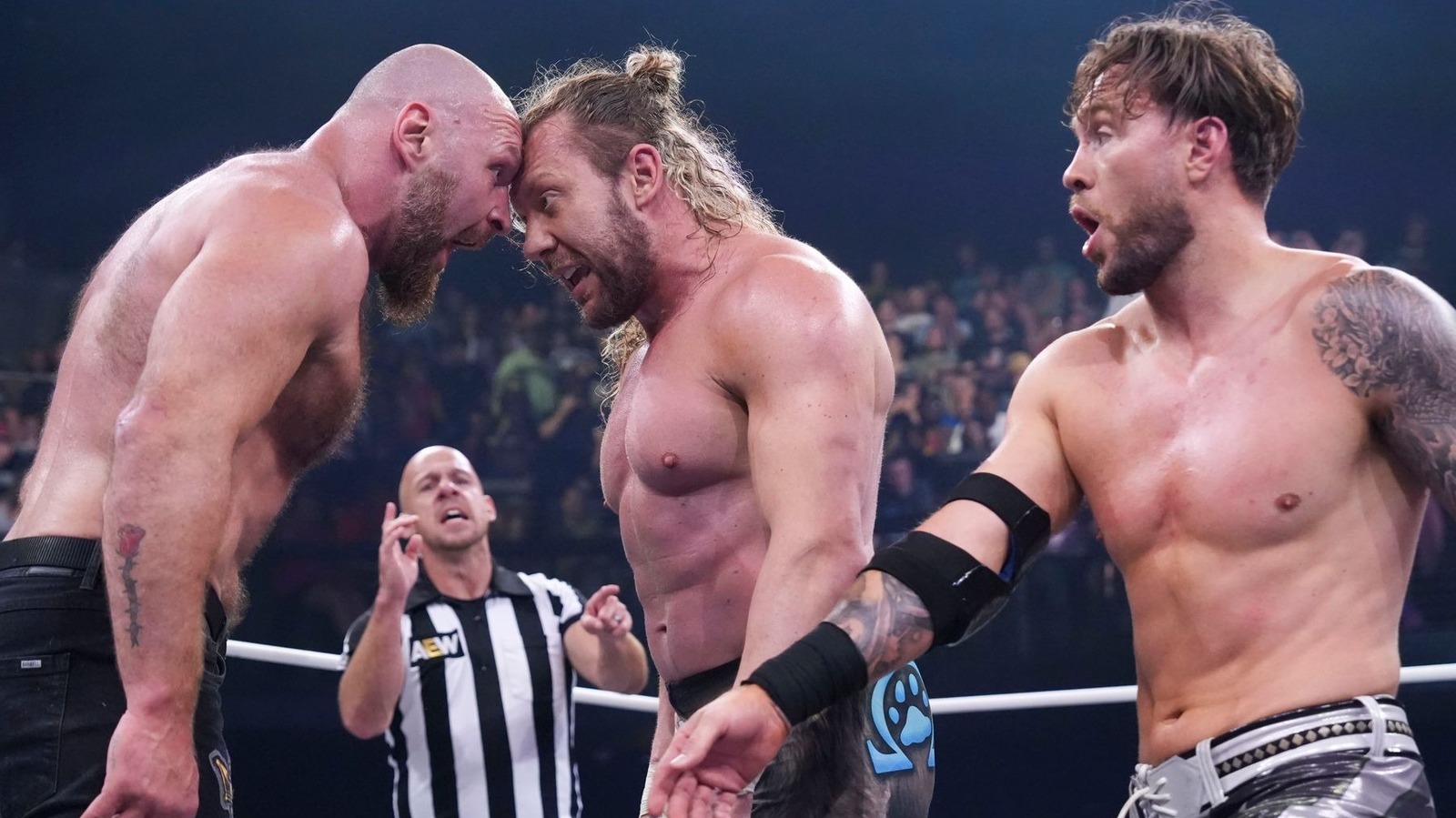
Professional wrestling in 2026 has become a fever dream of kinetic output. Watch any given episode of AEW television and the evidence is immediate: a constant stream of 450 splashes, tope suicidas, and lungblowers that arrive with decreasing narrative impact. The technical proficiency is undeniable, but it lacks the necessary emotional weight.
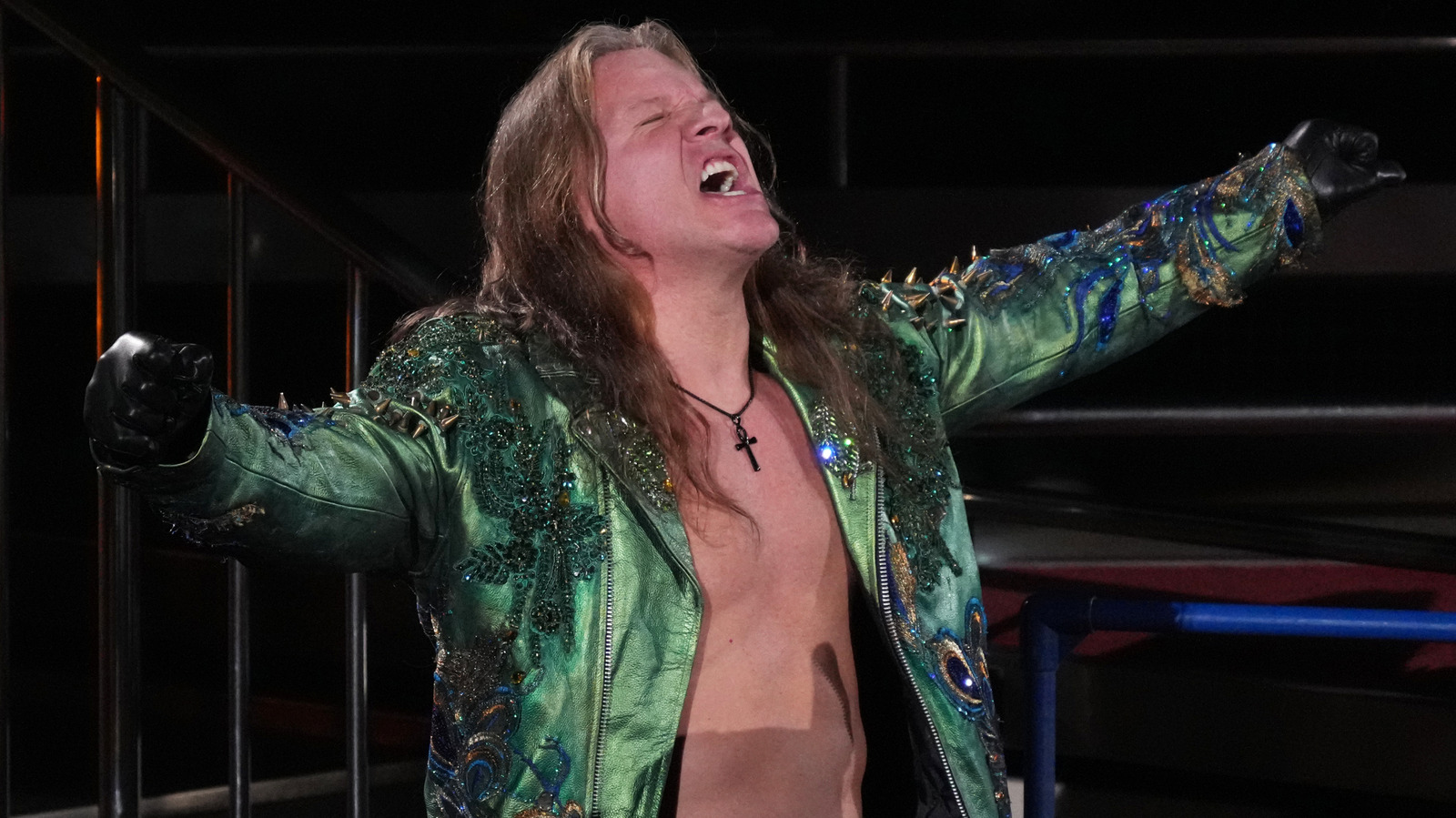
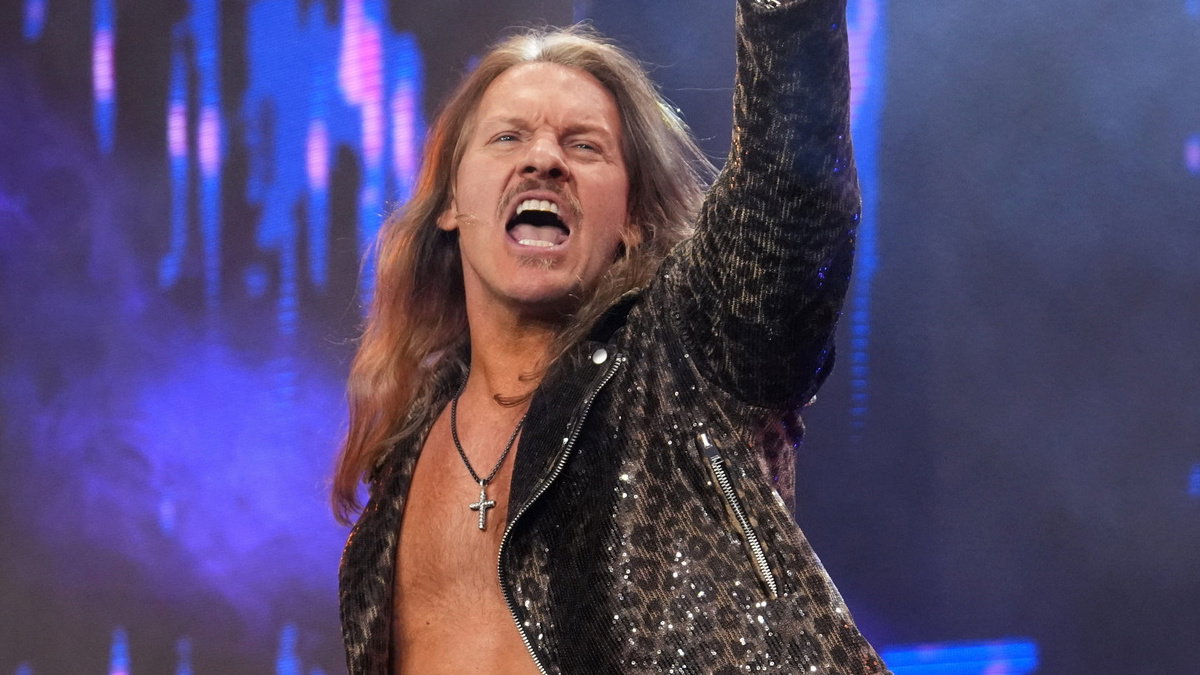
Chris Jericho recently highlighted this frustration, noting that wrestlers often mistake high-octane maneuvers for actual storytelling. As Chris Jericho observed, without a foundation of psychological connectivity, those moves are simply individuals engaged in choreographed gymnastics. It turns the ring into a trampoline park rather than a place of conflict.
The math of a meaningless match
Look at the tape from the last month. We see technicians putting together sequences that command 80 percent pass completion in terms of landing strikes, yet the crowd remains static. When every wrestler possesses the same suite of aerial maneuvers, the special becomes standard. The novelty of a double-rotation move wears off by the third commercial break.
The issue stems from a lack of selling. When a wrestler absorbs a devastating strike at the 12-minute mark and continues an uphill climb toward a finishing sequence, they undercut the stakes of the entire match. If the physical damage does not influence the movement of the performer, the story falls apart. Logic must dictate the flow of the bout.
Refining the craft for the long haul
Younger talent currently prioritizes the aesthetic of the move over the consequence of the move. If a performer executes a high-risk dive to the outside, that should be their piece de resistance, not a transition move meant to lead into another spot. The audience is exhausted because the pacing ignores the fundamental need for a breather during a 20-minute window.
Booking needs to shift toward the slow burn. We see evidence of this creative friction in how mid-summer storylines struggle to maintain momentum, similar to the fragmented efforts recently seen at the Capitol Wrestling Center. When the narrative is absent, even the most athletic roster in history will struggle to keep the arena full.
Final analysis
My prediction for the upcoming cycle of television is a necessary correction. Management will likely pull back on the high-spot-heavy cards to force talent into slower, character-driven encounters. If they don't, the diminishing returns on crowd reactions will become a 100 percent guarantee. Talent must choose between being a highlight reel or being a star.