The quiet countdown behind the curtain
Professional wrestling thrives on the tension of the unknown, but recent rumblings regarding a prominent AEW star’s contract expiration this summer shift the focus from the ring to the boardroom. AEW has excelled at building a collection of talent that matches any global promotion, yet the business of retaining that talent is becoming increasingly difficult as rosters mature.
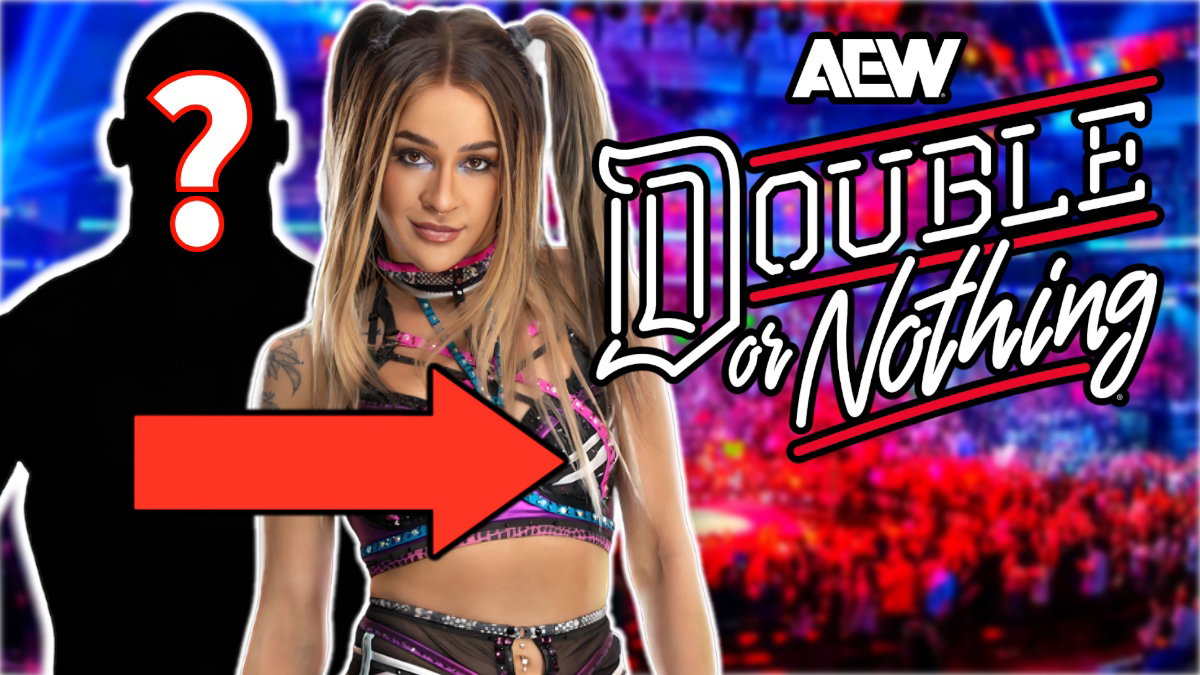
We are currently sitting on April 10, 2026, just over a month before Double or Nothing. If a key performer hits free agency in the coming months, the scramble for retention or recruitment changes the math for every high-stakes match scheduled for the summer cycle. The promotion has leaned on stability to build long-term narratives, but this specific contract status introduces a volatile variable into the creative direction.
Tactical inconsistencies in match booking
While the business side remains opaque, the on-screen execution demands scrutiny. AEW often struggles with pacing during their three-hour windows. Wrestlers frequently engage in technical exchanges that serve as high-level cardio but lack the narrative payoff required for a main event. We see too many 20-minute segments that end in flat disqualifications or tired run-in interference patterns.
Consider the recent tag team division output. We see explosive sequences involving dual-threat maneuvers, yet the fundamental logic of 'tag' psychology—cutting off the ring, isolating the weakened shoulder, and denying the hot tag—is sacrificed for spots. It is high-octane, but it is often devoid of the connective tissue that makes a finish feel earned. When a match hits the 20-minute mark, it should be the crescendo, not a signal to initiate another round of trading superkicks.
Why the summer window changes everything
Management cannot afford another prolonged stalemate in contract negotiations. Unlike the rigid structures of the past, the current market allows top-tier talent the mobility to pivot brands or models overnight. If AEW loses a foundational piece of their television product, the structural integrity of their weekly segments—already stretched thin across various divisions—will suffer.
We are looking at a period where the promotion needs to solidify its identity. WWE is currently executing a transition toward a more unified, narrative-heavy product that emphasizes long-term momentum. AEW remains the home of technical variety, but that variety is meaningless without the cohesion that comes from securing a locked-in roster.
I expect the front office to prioritize a extension by mid-May. If they fail to secure this individual, look for a significant drop in booking consistency as the creative team pivots toward temporary fixes rather than established stars. Watching this unfold will be the most compelling—and potentially damaging—undercurrent of the spring.
Prediction: The star in question will sign a short-term extension prior to Double or Nothing on May 24, 2026. The move will happen in the final week of the negotiation window, likely announced after a high-profile win. They have too much to lose on both sides to let this reach the open market.