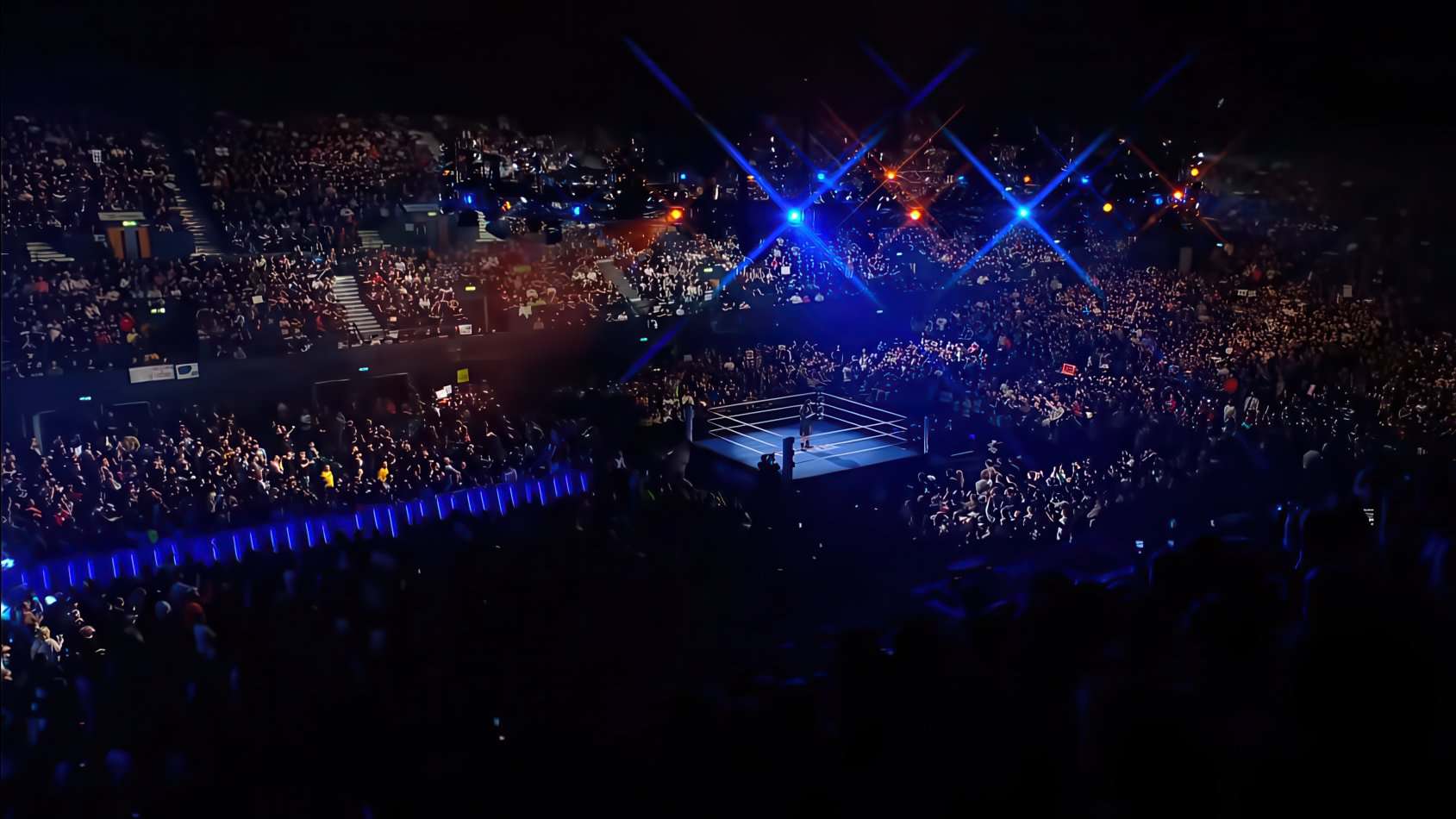
WWE keeps running the same loops and it creates a viewership ceiling
The exhaustion of the Saturday Night schedule
The announcement that another attraction has been shoehorned into the WWE Saturday Night’s Main Event card suggests an internal comfort with a specific, rigid formula. Wrestling as a product thrives when stakes feel genuinely elevated by scarcity. When the promotion fills these house show events with televised-style contests, the distinction between a routine Saturday night and a premium live event blurs significantly.
We are currently looking at a booking strategy that prioritizes volume over narrative precision. A match added only hours before the opening bell at Saturday Night’s Main Event might fill seats locally, but it does little to advance longer-term character arcs. It feels like filler data in a spreadsheet rather than a pivot point in a story.
The math of the mid-card churn
Observe the way title defenses have been handled during this recent run of non-televised, high-profile fixtures. We see champions working opponents they have already defeated four times in the last month. The repetition is predictable. When a worker enters their 6th encounter with the same challenger in a linear window, the internal logic of the win-loss record becomes harder to defend.
Technical execution during these secondary loops often reflects a lack of urgency. I have tracked sequences where rest periods in the middle of matches hit the 7-minute mark, effectively stalling any kinetic momentum. Wrestling requires a deliberate pace, but pacing without purpose is just wasted time. When performers are on the road for high-frequency dates, the innovation in-ring suffers from burnout.
The danger of predictable outcomes
There is a recurring issue where the mid-card acts as a revolving door for talent who have no clear path to the main event picture. If you look at the booking charts from the last quarter, few performers are actually moving up the ladder; they are merely moving from city to city. A talent might pick up a pinfall win via a flashy finisher in Duluth, only to vanish from any meaningful segments for three consecutive weeks.
The fans notice this lack of follow-through. When a crowd does not feel that a match result impacts the broader tournament or belt hierarchy, the pop for a near-fall at 15 minutes drops relative to the effort exerted. It is essentially a performance without a payoff. A match should either serve the wrestler’s character growth or the championship standing; doing neither leaves the audience in a state of spectator fatigue.
Missing the chance for character evolution
A major flaw in the current booking approach is the failure to distinguish between a worker's 'gimmick' and their 'utility.' Too many performers are being used as interchangeable parts in tag team bouts or multi-man scrambles. We lose the nuances that made the performers interesting in the first place.
For instance, relying on six-man tags to protect main eventers from taking pinfall losses is an effective way to keep your top stars protected, but it creates a sterile mid-card environment. It is a cynical way to guard a win-loss record at the expense of a compelling mid-card rivalry. If nobody loses, then the wins feel hollow. The logic behind these constant, clean, protected finishes creates a stagnant reality where nobody ever truly peaks.
To stop the decline of sustained interest, the creative department needs to embrace, rather than fear, the concept of a clean upset. Allowing a mid-level performer to pin a top-tier name once every few months wouldn't ruin the top star; it would provide the audience with a legitimate reason to believe in the challenger. Constant, safe booking is the enemy of legitimate tension in the squared circle.
Frequently Asked Questions
Why is WWE's current booking strategy considered problematic?
How does repetitive match-up booking impact WWE viewership?
How does mid-card churn affect wrestler progression?
What is the impact of frequent house shows on in-ring innovation?
Why are six-man tags used frequently in WWE booking?
More Coverage
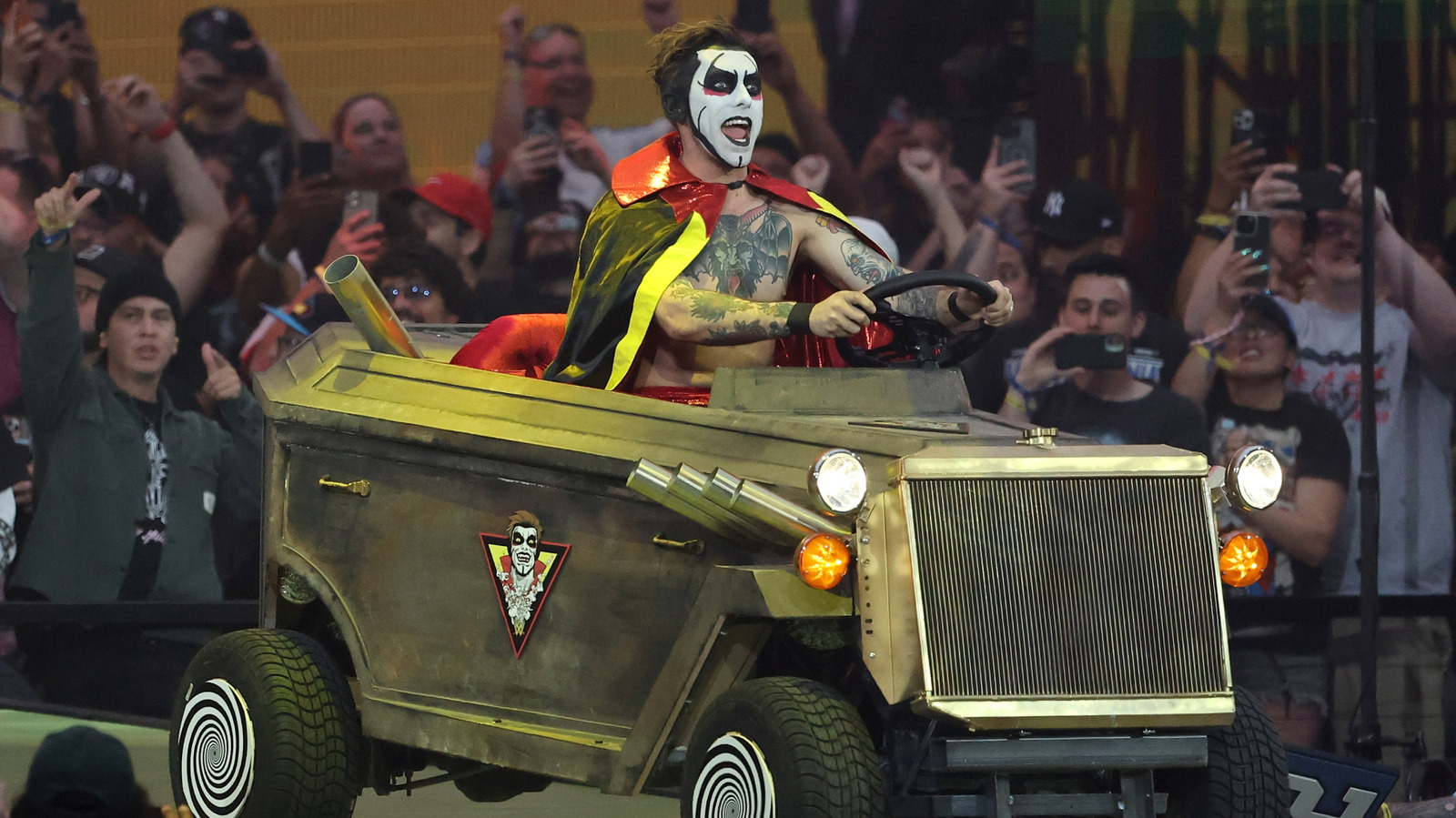
Danhausen is taking his chaos to the streets of NYC
37 minutes ago
Chad Gable injury update following recent Raw developments
37 minutes ago
WWE's momentum problem with Tiffany Stratton
37 minutes ago
Roman Reigns reveals WWE exit timeline and issues warning to Oba Femi
38 minutes ago
Is Ric Flair eyeing one final promotional shift late in his career?
2 hours ago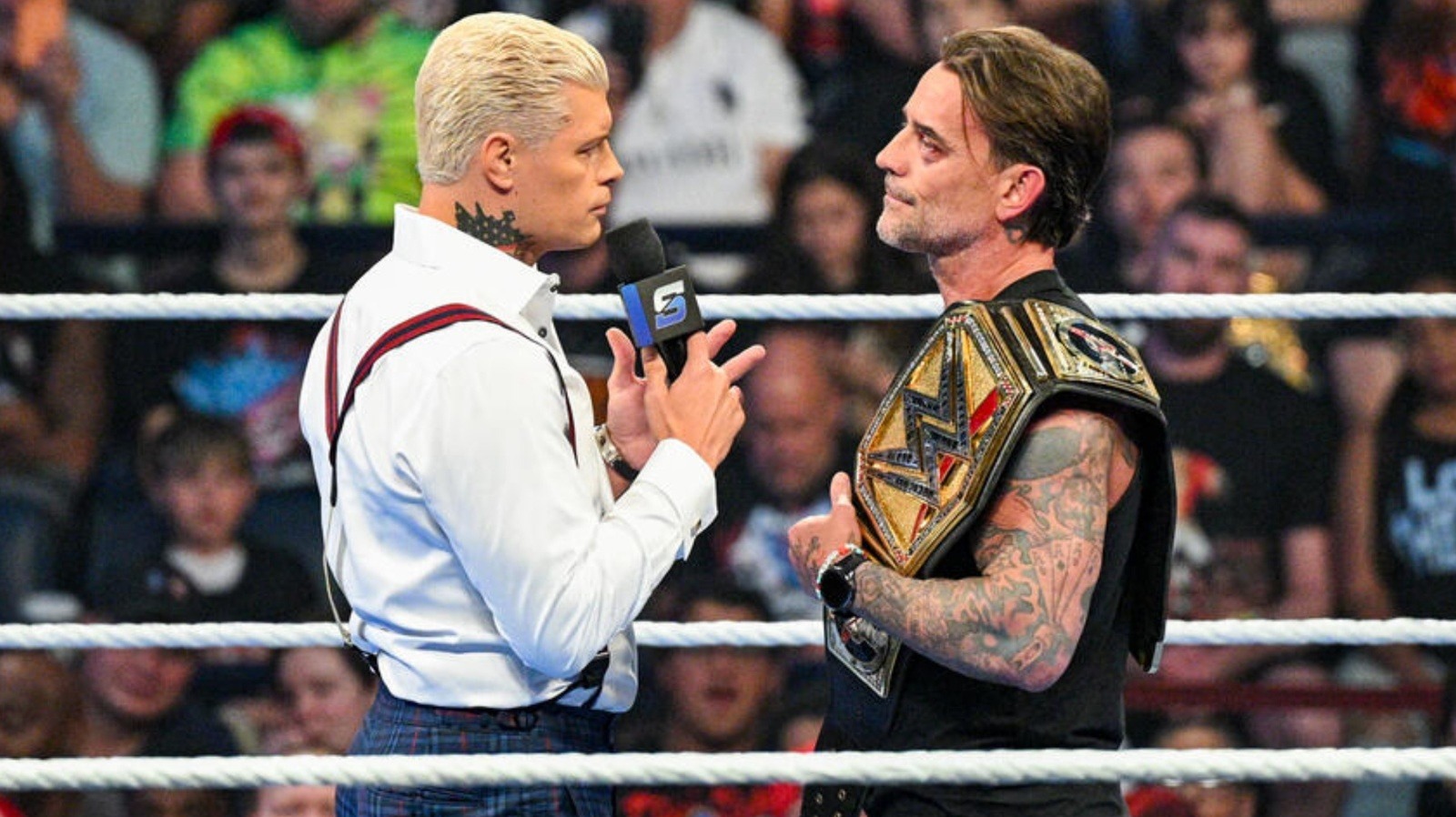
Saturday Night's Main Event returns to MSG and the stakes are real
2 hours agoMore Analysis

Saturday Night's Main Event demands a shift in momentum for the roster
1 day, 1 hour ago
WWE's international strategy is creating a logjam for midweek television
1 month ago
WWE Saturday Night's Main Event is trapped in a creative holding pattern
1 month, 3 weeks agoWWE's loop of rematches is killing the momentum of the mid-card
1 month, 2 weeks ago
WWE’s nostalgia loop is masking a deeper booking fatigue
5 days, 4 hours ago