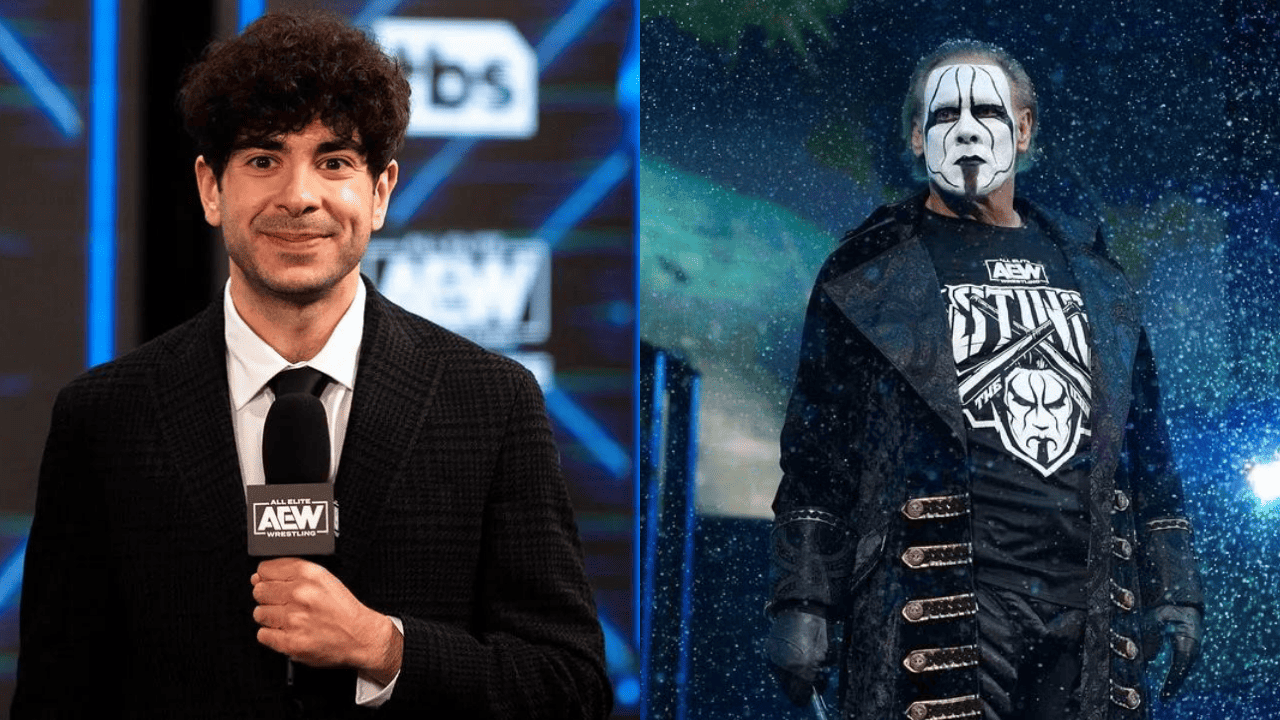
The shadow over Jacksonville
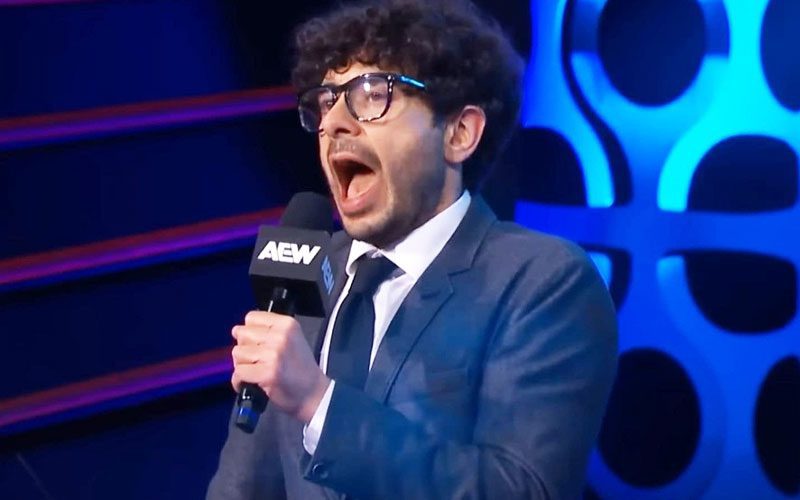
The internal narrative at All Elite Wrestling has shifted from product quality to organizational instability. While Tony Khan maintains the current iteration of his roster represents historical excellence, reports from industry observers suggest a different atmosphere behind the curtain. The promotion is currently grappling with allegations of talent management issues, including accusations that Khan purposefully benches performers to avoid confrontation or simply 'ghosts' key executives during critical windows.
This organizational friction comes at a delicate time. As recent reporting indicates, the organization is currently testing the media rights market without a locked-in deal. When a company is shopping its broadcast future, the stability of its talent roster is usually the primary selling point. The current reports of ghosting and benching do not align with that goal.
The battle for perception
The external perception of the company is equally strained. Independent observers continue to scrutinize the relationship between management and talent departures. Accusations that funding is being diverted toward bot attacks targeting stars who transition to WWE have added a layer of toxicity to talent relations. For a locker room that thrives on a collaborative reputation, these claims create a difficult environment for retention.
WWE’s front office appears unbothered by these developments. Discussions regarding industry competition suggest that the market leader views itself as operating on a different plane. As reported by industry analysts, there is a recurring sentiment that negotiations involving AEW are rarely a factor in WWE’s strategic planning. This indifference makes the prospect of talent jumping to the Stamford promotion feel less like an active war and more like a simple career advancement.
Creative fatigue and future outlook
Tony Khan remains focused on expansion, evident through the rollout of new concepts like the Fairway to Hell event series. While diversity in event types is traditionally a strength, there is a legitimate question about whether these initiatives mask deeper, systemic issues regarding roster utilization. A promotion cannot survive on unique pay-per-view venues if it cannot fix the fundamental problem of keeping top talent featured and happy.
Khan’s tendency to view his roster through the lens of nostalgia—comparing his internal rivalries to high-level cinema—might be an impediment to objective management. When a promoter is more focused on the romanticized storytelling of his product than the nuts-and-bolts of executive communication, cracks in the foundation are inevitable. The current lack of a long-term media rights anchor means these management failures now hold financial consequences.
Probability and impact assessment
The probability of a significant talent exodus remains high if the broadcast uncertainty continues through the summer. If the company fails to secure a lucrative, long-term deal by the time the next cycle of contract renewals hits, expect frustration levels to rise. Talent who feel 'benched' without explanation have little incentive to wait for a turnaround that may not have the budget to support them.
The impact of a major shift in roster composition would be staggering. AEW loses its primary asset—the perceived 'best roster in history'—every time a top name decides the grass is greener in Connecticut. If Khan continues to rely on benching top stars to avoid conflict, the attrition rate will likely accelerate by year-end. This isn't just about roster depth; it's about the company's ability to remain a viable, credible alternative to global wrestling fans.