The TKO filter is changing how talent leaves the building
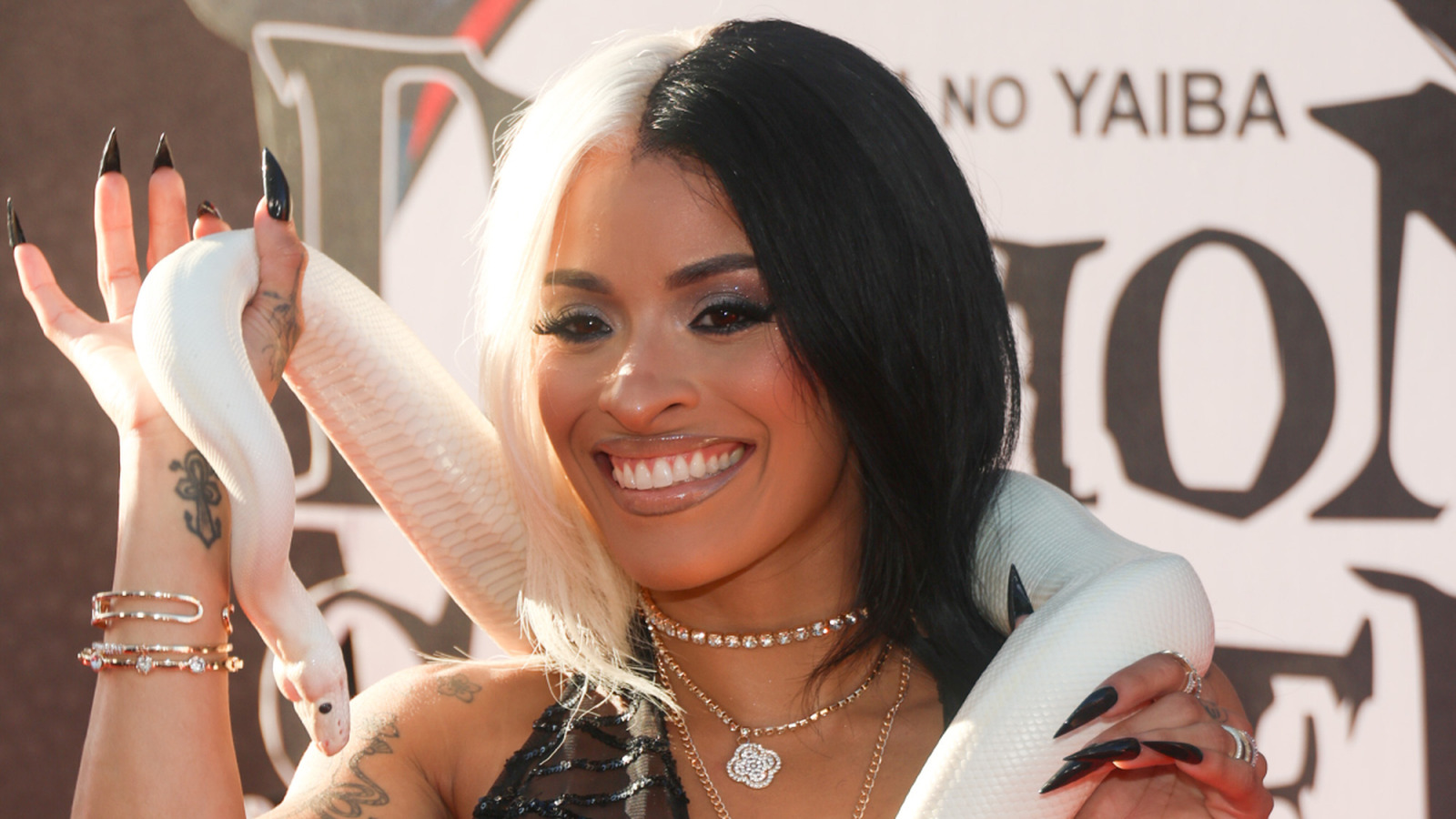
The recent departure of Zelina Vega served as a jarring reminder of where the real power dynamic sits in modern sports entertainment. It was not a traditional wrestling promoter on the other end of the line. It was TKO management delivering the move, bypassing the creative staff entirely.
This is a departure from the days when talent relations had a face and a personality. Now, the ledger dictates the roster. Vega confirmed she was shocked by the decision, and rightfully so given her active role in recent segments and her consistent work rate on television. When human assets are cut by a holding company's spreadsheet, the logic follows different metrics.
Missing the mark on depth and character utilization
WWE management is currently gambling on a leaner, high-impact roster strategy. They want efficiency. They want maximum engagement per dollar spent. Yet, the loss of someone like Vega creates an immediate hole in the mid-card scene. She possessed a rare ability to bridge the gap between high-flying offense and genuine character heat.
The move feels like a regression to a colder, more corporate era of booking. Watching the details of the release filter out, it is clear that TKO is prioritizing structural overhead over individual momentum. It creates a volatile environment where even talent with strong crowd engagement can be scrapped if the numbers don't align with corporate projections.
What this means for the Backlash build
We are just 13 days away from WWE Backlash. The creative team has had to pivot fast after losing a key utility player whose ability to work a crowd was second to none. This decision highlights a major flaw in the current strategy: you cannot swap utility players like poker chips and expect the product flow to remain seamless.
Expect the upcoming television cycle to look disjointed. There is a specific anxiety within the locker room when corporate entities start handling the terminations. It changes how talent approaches their spots. They are no longer playing for the fan's approval; they are playing to avoid being the next line item on a quarterly report.
My final call for the roster outlook
I predict this move will backfire during the lead-up to May 9. By stripping away talent that connects organically, the company is forcing the audience to endure more sterile, scripted interactions. They are losing the very thing—personality—that keeps long-term viewers invested. If TKO continues to treat the roster like an engine that only needs fuel, they are going to find themselves with a very quiet arena.
Read Next