The corporate chill following the WrestleMania heat
The high of Allegiant Stadium has evaporated. WrestleMania 41 was a massive success on paper, but the backstage atmosphere in the two weeks since has turned clinical and cold. While Cody Rhodes celebrates a successful defense and John Cena begins the long walk toward his final sunset, a different kind of movement is happening in the executive suites. The recent wave of departures wasn't just a standard post-Mania trimming. It was a philosophy shift.
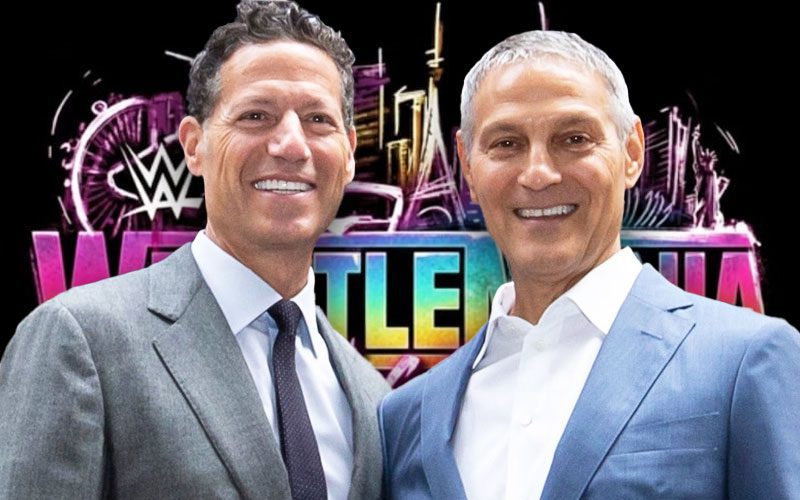
We are seeing the first real tension between the sports-entertainment traditions of the Triple H era and the data-driven mandates of TKO. The report from Wrestling Inc regarding TKO's stance on "dark characters" is the most telling piece of news we've had all year. It explains why the mid-card suddenly feels like a revolving door of generic athletes. If you don't fit into a UFC-style promo package, your days are numbered.
This creates a strange vibe heading into Backlash on May 9. Usually, this show is a victory lap for the big winners of April. This year, it feels like a stressful audition for anyone who doesn't have a championship belt around their waist. The roster is shrinking, and the creativity is being boxed into a very specific, very grounded corner.
The war on the supernatural and the weird
For decades, WWE thrived on the fringe. The Undertaker, Kane, and more recently, the Wyatt family provided the texture that separated wrestling from actual combat sports. TKO apparently hates that texture. The backstage word is that the new owners find supernatural elements difficult to market to blue-chip sponsors who want "realism." This is a fundamental misunderstanding of why people watch professional wrestling.
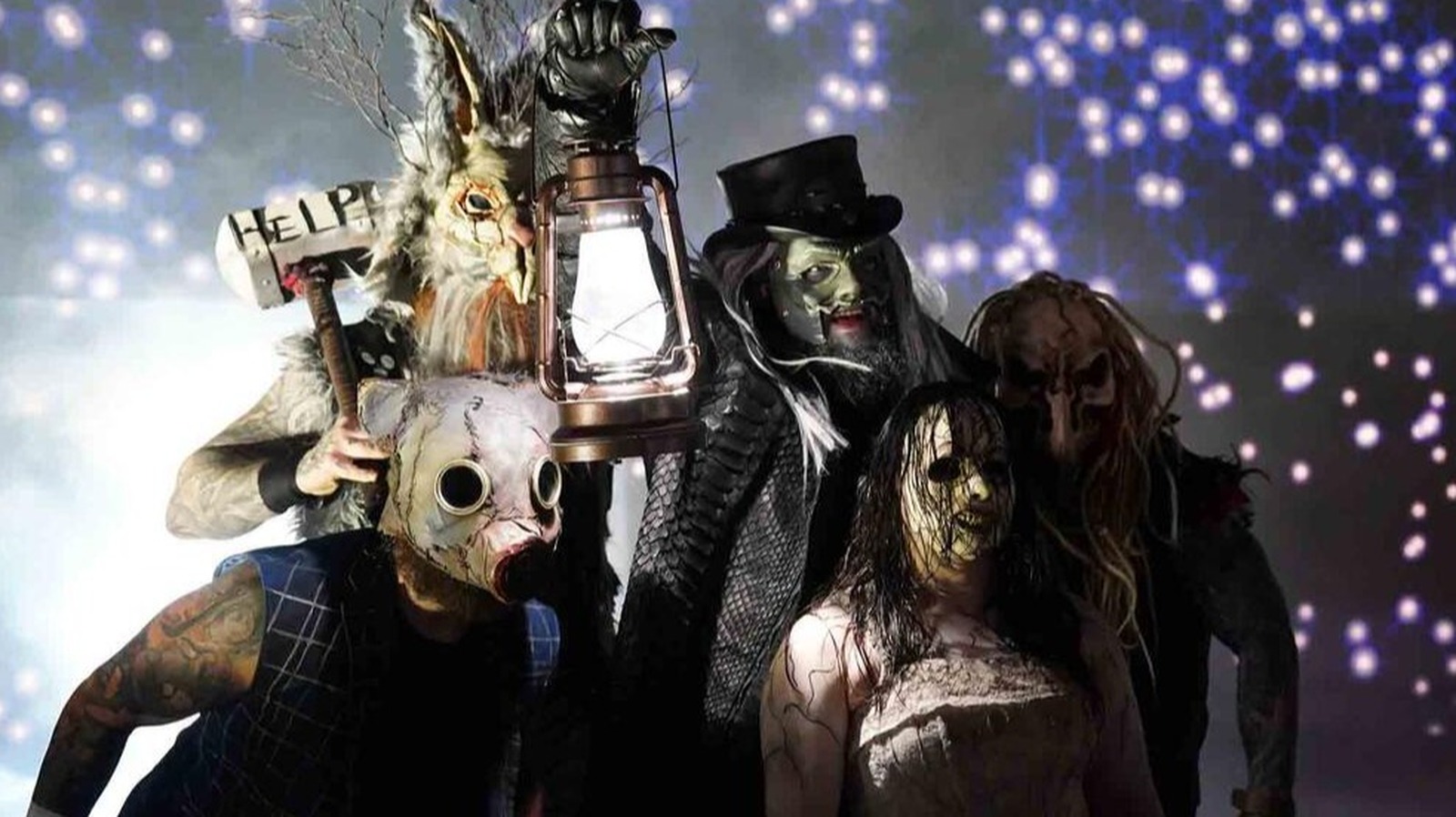
Look at the Wyatt Sicks. Since their debut, they have been the most polarizing part of the program. They represent the last vestige of the cinematic, high-concept storytelling that Bray Wyatt championed. If TKO is souring on "dark characters," Uncle Howdy and his group are essentially dead men walking. You can see it in the booking over the last two weeks. The segments are shorter, the lighting is less atmospheric, and the focus is shifting back to win-loss records.
This is a mistake. Wrestling needs the weird. It needs the characters that don't make sense in a press conference. By forcing everyone into the same mold of "serious athlete who wants the title," TKO is making the product remarkably efficient but dangerously boring. The 92 percent sell-out rate for Backlash won't last if the audience realizes they are just watching a scripted version of the PFL.
The mid-card vacuum and the talent exodus
The departures last week hit the locker room hard. We aren't just talking about developmental talent. These were reliable hands who kept the house show circuit running and provided the variety needed for a three-hour Raw. When you cut that many people at once, you create a depth problem that becomes glaringly obvious at a show like Backlash.
Who is left to challenge for the Intercontinental or United States titles? The pool has been drained. We are seeing the same four or five names cycled through the main event while the rest of the card struggles for identity. The irony is that TKO wants a leaner, more profitable roster, but they are sacrificing the long-term health of the brand for short-term margin improvements. It is the most corporate move possible, and it sucks the life out of the storytelling.
Backlash 2026: Predictions and problems
Despite the backstage turmoil, we still have a show to watch in eight days. Cody Rhodes is the anchor of this ship, and his presence alone keeps the buy-rate respectable. But look at the surrounding matches. They feel like leftovers from the WrestleMania buffet. There is a lack of urgency in the build, mostly because everyone is looking over their shoulder wondering if they are next on the chopping block.
The main event will likely be Cody Rhodes defending against a formidable challenger like Gunther or a Bloodline remnant. Cody's workrate remains top-tier—he is hitting his disaster kicks with more snap than ever—but the story feels stalled. We are waiting for the next big thing, while the company is busy firing the people who could have been that next big thing. It is a frustrating cycle that rewards safe choices and punishes innovation.
My critical observation for the month: The "New Era" is starting to look a lot like the old corporate era, just with better lighting. The spontaneity is gone. Every promo feels like it was approved by a legal department. When Roman Reigns was at the top, there was a sense of danger. Now, there is just a sense of business. That might be good for the stock price, but it is mediocre for the fan who wants to be surprised.
The workrate trap
Without the big characters, WWE is leaning heavily on "workrate." We see 20-minute bangers on every episode of SmackDown. While the technical quality is high—shout out to the 4.75 star matches we've seen recently—it lacks the emotional hook. A flawless bridge suplex is great, but it doesn't replace a story that makes you want to jump out of your seat. TKO is betting that fans will stay for the wrestling alone. History suggests they won't.
The upcoming Backlash card is going to be a technical masterpiece and a narrative desert. You will see incredible athleticism and zero surprises. That is the TKO way. They want a predictable, repeatable product that fits into a 30-second social media clip. Anything that requires a slow burn or a bit of theatricality is being pruned away like a dead branch.
Final prediction for the May 9 event
Cody Rhodes will retain his title in a match that goes exactly 22 minutes and features three near-falls that nobody actually believes. The Wyatt Sicks will either be absent or relegated to a backstage segment that feels disconnected from the rest of the show. The crowd will be loud because they are in a great market, but the energy will fade by the third hour when they realize nothing of consequence is going to happen.
I predict that the most talked-about part of Backlash won't even be a match. It will be the inevitable announcement of more "restructuring" or another corporate partnership. We are watching the transition of WWE from a traveling circus into a media conglomerate. It is efficient, it is profitable, and it is becoming increasingly soulless. If TKO doesn't learn to embrace the dark characters and the weirdness of the industry, they are going to find themselves with a very expensive, very empty stadium in a few years.
Expect a clean sweep for the favorites. There is no room for upsets in the current corporate climate. Everything is being booked to protect the brand, which is the fastest way to kill the excitement. Backlash 2026 will be a solid B-show that proves TKO knows how to run a business but doesn't know how to book a wrestling promotion.