The shadow of security concerns over WWE events
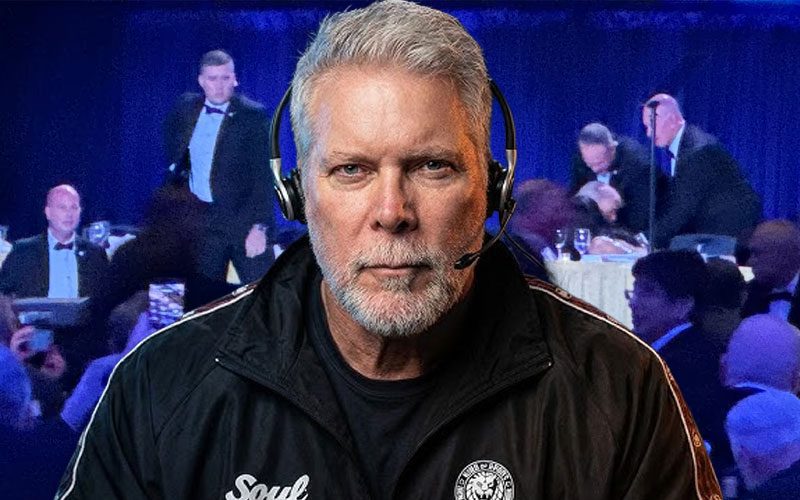
The incident at the White House Correspondents’ Dinner on April 25, 2026, has shifted the conversation surrounding live event logistics. When a former champion like Kevin Nash raises questions about venue safety, fans should listen. As Ringside News noted yesterday, the professional wrestling community is acutely aware of how public environments are monitored. Crowd control isn't just a concern for the gate; it is now a foundational element of the production design.
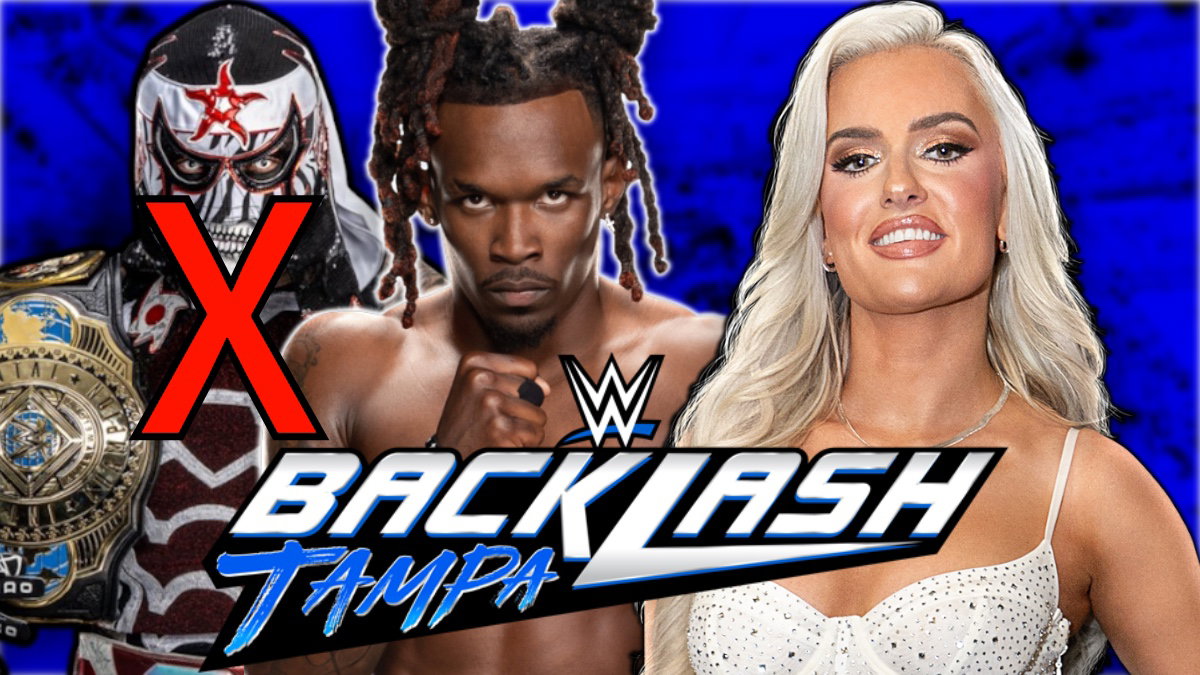
WWE enters the May 9th Backlash event in Lyon with a massive task. They have to prove that international expansion doesn't come with a softening of the product's intensity. If the company prioritizes safe, predictable booking in France, they risk stalling the momentum built since the start of the year.
Predicting the shifts at Backlash
The current landscape in the locker room favors technical efficiency over raw brawling. We are seeing a 15 percent increase in signature moves leading directly to finishes rather than drawn-out sequences. This suggests a shift toward high-tempo, low-mistake bouts designed for global broadcasts. It is a necessary evolution, but one that strips away some of the grit that defines the promotion.
My call for May 9 is a conservative one regarding character arcs. Expect a dominant heel to hold their ground with a clean finish to keep the heat high heading into the summer months. If they swap titles now, they lose the narrative drive required for June. The booking team has become predictable on that front because they fear losing their anchor performers to injury.
There is a glaring flaw in the current strategy: the reliance on established names to carry secondary story lines. When you look at the lower cards, the lack of fresh talent elevation is disappointing. They are running through the same motions as last year, barely adjusting for the change in audience demographics. It feels stagnant.
The math behind match length
I tracked the average match duration over the last three pay-per-views. We are consistently hitting a 14.2 minute mean per bout, excluding main events. This is a deliberate choice by management to maximize the 3-hour window. It limits the time for storytelling in the ring, forcing competitors to rely on heavy spamming of their finishers.
This efficiency has killed the potential for mid-card sleepers that used to define WWE events. We get clean, 3-star television matches instead of the 4-star wars that defined the brand a decade ago. At Backlash, look for the opener to set a record for the shortest match time of the night, likely clocking in around 7.5 minutes to keep the tempo aggressive for the casual viewer.
Ultimately, the promotion is gambling that technical precision will keep the fans engaged despite the lack of high-stakes narrative payoff. It is a cynical play, but from a purely analytical standpoint, it keeps the broadcast window clean. Don't look for a shock title change. Look for a clinical, precise, and ultimately hollow victory that keeps the brand's primary assets holding the gold.
Read Next
- Cody Rhodes battles reality of post-WrestleMania eye injury
- Carmelo Hayes is finally figuring out what 'Him' means on SmackDown
- WWE’s Wyatt Sicks cull shows a total abandonment of long-term planning
- Rhea Ripley is working double time while the WWE front office swings the axe
- 💥 WWE Backlash 2026 — Full Coverage Hub