The Physical Cost of the Main Event
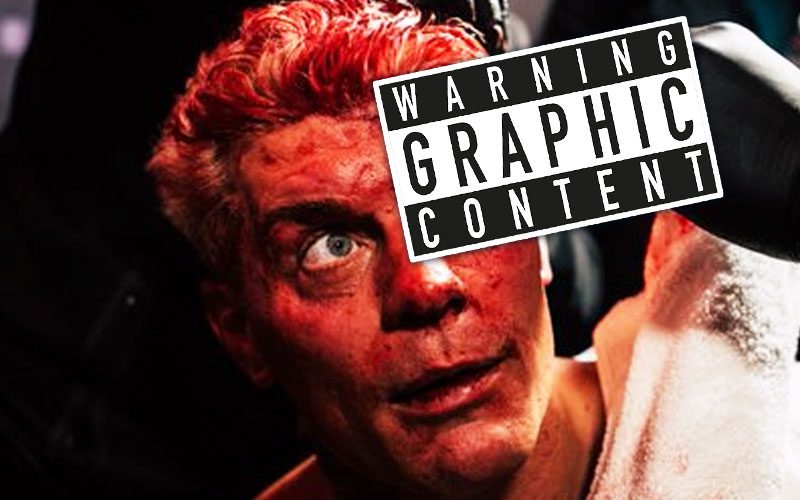
Cody Rhodes surfaced on social media today to provide a high-definition reality check regarding his physical condition following the closing sequences of his championship defense. The images shared reflect a severe ocular trauma that suggests his recovery timeline will be tighter than the creative team initially anticipated.
Wrestling history reminds us that orbital floor fractures or severe subconjunctival hemorrhaging often require a minimum of 4-6 weeks of shelf time to avoid permanent vision distortion. Rhodes is currently navigating the immediate aftermath of a match that pushed his threshold for pain management.
Booking Blind Spots
The medical reality of this injury raises immediate questions regarding the finish of the match. While the optics of the injury were marketed as a badge of honor, continuing to perform at peak capacity while nursing an orbital issue is a high-risk gamble.
Competitors like Finn Bálor and Seth Rollins have previously navigated return timelines after surgeries, but a facial injury in a promotion that requires high-intensity travel creates a logistical nightmare. If the vision returns impaired, the booking team faces a forced pivot on the road to Backlash 2026.
Management often prioritizes the visual of the champion on posters over the long-term health of the talent. Pushing a performer with a documented facial fracture is a recurring error that has historically shortened the careers of top-tier draws.
A Tight Window for Resolution
Backlash is scheduled for May 9, 2026, leaving less than two weeks for medical clearance. This window is exceptionally narrow for any surgeon to sign off on physical contact involving the head or neck area.
The standard operating procedure for such injuries involves a neuro-ophthalmologist assessment. If the internal pressure in the eye remains above 20 mmHg, activity must be suspended immediately. Any promotion claiming a faster timeline is ignoring basic anatomy.
Strategically, this forces the championship creative into a corner. They must either run a protection angle where Rhodes is booked to talk rather than wrestle or vacate the spot entirely. The latter would disrupt the momentum established since the post-Mania reset.
The medical staff's insistence on documenting the severity via social media is transparent PR, but it fails to address the lack of recovery time. If the eye has not reached status-quo stability by May 5, expecting an appearance in the ring by May 9 is reckless.
Forcing a wounded talent into a match is how internal trust gets destroyed. Fans are now watching for signs of discomfort during televised segments, essentially gamifying an athlete’s genuine medical struggle. This is a recurring issue where the show's pace outruns the body's repair cycle.
Read Next