A Dark Cloud Over the Ring
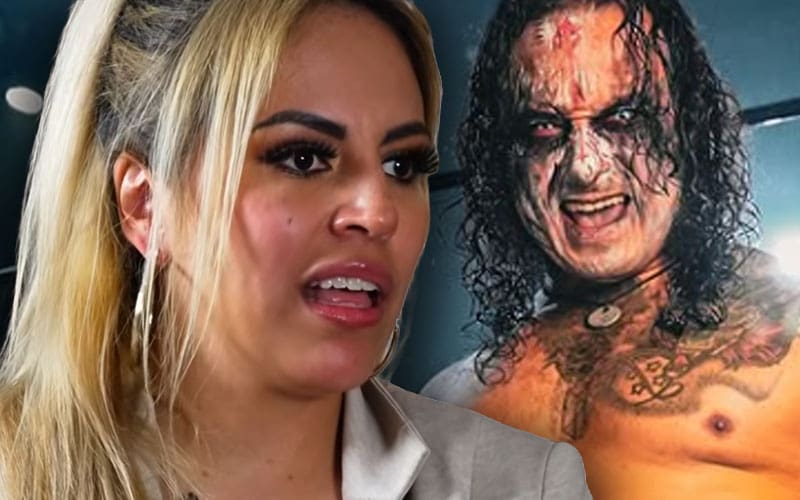
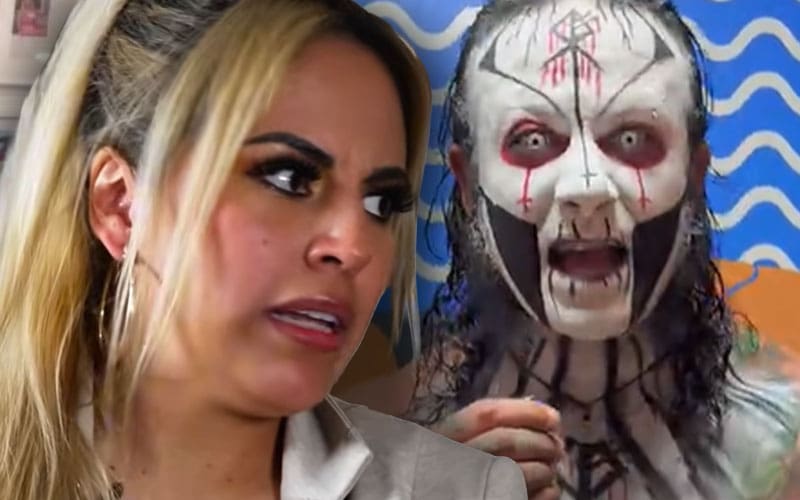
The wrestling industry woke up today to a reality it often prefers to ignore. Serious, deeply troubling allegations have surfaced regarding Mecha Wolf. Yasmín has stepped forward. Her claims are not vague rumors whispered in locker rooms. They are specific, harrowing, and demand immediate attention from every promoter currently writing his name on a whiteboard.
According to reports from Ringside News, Yasmín alleges that Mecha Wolf attacked her while she was pregnant. Read that sentence again. In a business that violently blurs the line between fiction and reality, real-world violence of this nature strips away the spectacle. It leaves only a grim, ugly truth that the industry must confront.
The Reality of Fear
It is easy for outsiders to ask why victims do not simply press charges and see them through. That question fundamentally misunderstands the dynamics of abuse. Yasmín revealed that she did take legal action. She opened up about this difficult chapter, confirming she filed a police report after the alleged incident. But fear stopped her from continuing the assault complaint.
This is not an anomaly. It is the textbook reality for countless survivors. The legal system is grueling. The court of public opinion, especially in the wrestling bubble, is often worse. Fans form parasocial bonds with performers. They defend them reflexively. When a woman speaks out against a popular wrestler, her inbox fills with vitriol. Her motives are questioned. Her past is dissected. Fear is the most rational response in that scenario.
Financial Abuse and Isolation
The allegations extend beyond physical violence. Yasmín spoke about the severe financial hardship she endured. She revealed she received no support from Mecha Wolf during her pregnancy. She detailed going without food.
Financial abandonment is a weapon. It forces dependence. It creates a desperate situation where the primary concern is sheer survival. Yasmín specifically detailed the emotional toll of this period, describing days where she literally went without food. For a pregnant woman to be left without basic necessities while the father of her child is traveling, performing, and making money is a stark indictment of character. It paints a picture of deliberate neglect. It is not just a failure of partnership; it is a fundamental failure of basic human decency.
Controlling the Narrative
Abuse rarely happens in a vacuum, and the aftermath is almost always a battle for the narrative. Whispers often circulate in an attempt to discredit the victim. Yasmín is aggressively pushing back against claims that she prevented Mecha Wolf from being part of their son's life.
This is a classic deflection tactic. When accused of severe misconduct, the accused or their camp often pivot to a grievance about custody or access. It is designed to muddy the waters. It shifts the focus from "did he attack her?" to a messy domestic dispute where outsiders throw their hands up and say the truth is somewhere in the middle. Yasmín is not letting that happen. She is addressing the counter-narrative head-on.
The Industry's Failure
Here is where we have to look critically at the wrestling business itself. How does an industry entirely built on public perception handle credible allegations of abuse? Historically, terribly. The immediate instinct is self-preservation. Promotions will often quietly drop a wrestler, citing "creative differences" or simply stop booking them, avoiding the PR nightmare of making a definitive statement.
This cowardice protects abusers. It allows them to move to another territory, another promotion, another country, and continue working. The independent circuit is notoriously fragmented. There is no central HR department. There is no union. A wrestler can be blacklisted in one state and headline a show two states over the next weekend.
The Mechanics of Independent Bookings
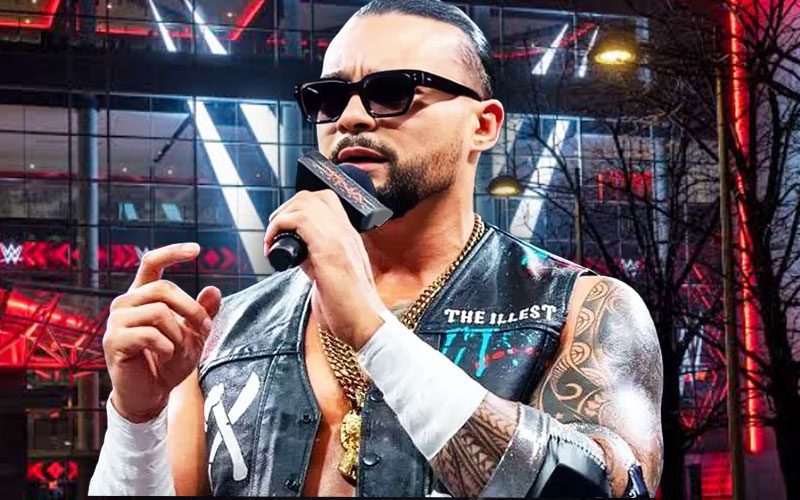
To understand why these situations often drag out, you have to look at the mechanics of the independent wrestling scene. Mecha Wolf is a veteran. He has built a reputation. He has established tag team pedigree. In the independent circuit, reliability inside the ring often blinds promoters to reality outside of it.
An independent promoter is usually running on razor-thin margins. They book a building, pay for insurance, fly talent in, and hope the gate covers the overhead. When a scandal hits a contracted WWE or AEW talent, corporate sponsors pick up the phone. Board members get nervous. Action is taken swiftly, even if purely for optics. Independent promoters do not have a board of directors. They answer only to their bottom line.
This creates a dangerous loophole. A wrestler facing severe allegations can essentially weather the storm by dropping down the card, working smaller rooms, and relying on promoters who simply do not care. They trade on their name value to draw a few extra dozen fans in a National Guard armory, while the victim is left dealing with the trauma. It is an exploitative loop. The only way to break it is for the talent themselves—the other wrestlers on the card—to refuse to share a locker room. We are starting to see that collective action happen more frequently, but it is entirely decentralized.
The Tribalism of Wrestling Fans
There is an ugly underbelly to how wrestling fans process news like this. We are conditioned to pick sides. We wear our favorite wrestler's t-shirts. We argue their case online against rival fanbases. When real-world allegations drop, that tribal instinct kicks in. People immediately start looking for loopholes in the victim's story. They demand perfect evidence before they are willing to even consider the possibility that the person they cheer for might be a monster behind closed doors.
We saw it immediately in the wake of Yasmín's disclosures. The counter-narratives started forming before the ink was even dry on the reports. The claims that she was keeping him from their son are a direct result of this tribal defense mechanism. It is easier for a certain segment of the fanbase to believe in a bitter ex-partner than to confront the reality of domestic violence. Yasmín's refusal to back down from those claims is vital. She is not allowing the fanbase to construct a comfortable lie.
The Media's Responsibility
Wrestling journalism has a lot to answer for in these moments. The standard operating procedure for decades was access journalism. Reporters needed the promoters, so they ignored the dirt. We are in a different era now, but the remnants of that system still exist. Aggregation sites often strip the humanity from these stories, reducing them to clickbait headlines sandwiched between rumors about WrestleMania 41 main events and AEW contract negotiations.
Covering Yasmín's allegations requires tact, but it also requires force. The media cannot just report that she said it and then immediately pivot to what Mecha Wolf's tag team partner thinks about it. We have to contextualize the severity of an alleged attack on a pregnant woman. We have to highlight the specific cruelty of leaving a pregnant partner without food. If the media treats this as just another angle, we are complicit in the cover-up.
The Locker Room Culture
Behind the curtain, the locker room is a tightly wound social structure. It is governed by unwritten rules and a strict hierarchy. Speaking out against a veteran often carries professional consequences. This is why the silence around these allegations is so deafening. The younger talent, the men and women opening the card, often do not have the political capital to demand an abuser be removed from the show.
It takes the main eventers, the established stars with drawing power, to draw the line. They are the ones who have to walk up to the promoter and say, "If he works, I don't." Until that becomes the standard response to credible allegations of violence, the locker room remains an unsafe working environment. Yasmín is fighting this battle publicly. She should not have to fight it alone. The wrestlers who share a locker room with Mecha Wolf have a moral obligation to act.
The Final Bell
The wrestling business is built on redemption arcs. Fans love a comeback story. But some lines cannot be uncrossed. The allegations brought forward by Yasmín are not mistakes or momentary lapses in judgment. They represent a sustained pattern of alleged physical and financial abuse. Going without food while pregnant is not a misunderstanding. It is cruelty.
Here is what happens next. The major independent promotions will quietly pull him from their upcoming posters. You will not see a grand statement or a press release. His name will simply vanish from the graphics. The smaller, unregulated territories might still book him, hoping the heat dies down. But the internet does not forget anymore. Yasmín's decision to speak out, to detail the fear, the hunger, and the violence, has permanently altered his trajectory. The days of wrestling sweeping this under the rug and waiting for the next news cycle are over. My prediction is absolute: Mecha Wolf will never work for a major televised wrestling promotion again. The liability is too high. The public record is too damning. Yasmín has ensured that the truth is out there, and the industry can no longer plead ignorance.