The Brutal Arithmetic of the Modern Style
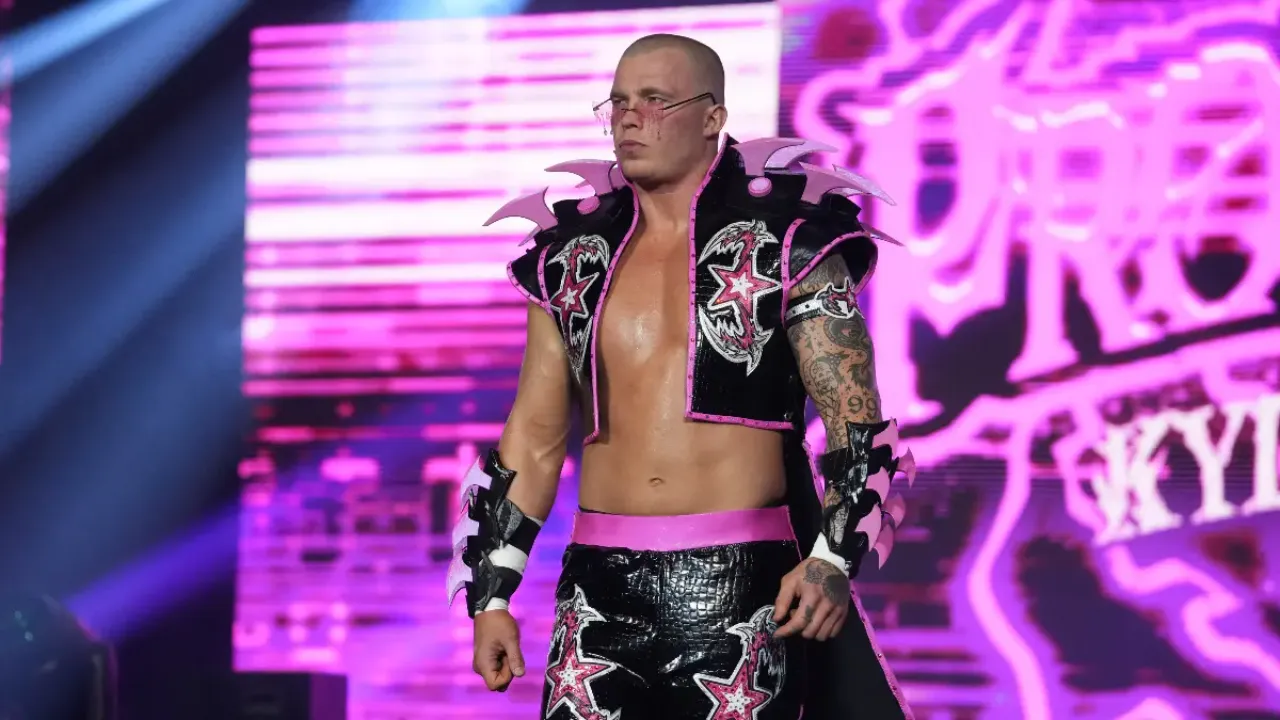
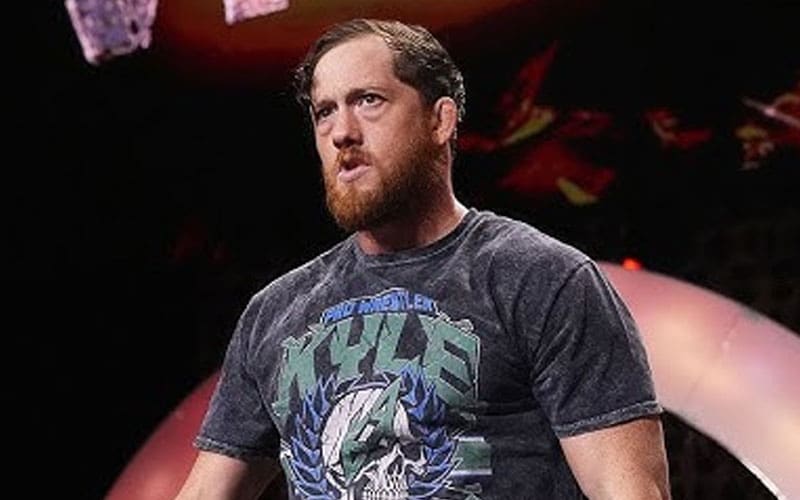
Kyle O’Reilly is hurt again. The latest reports regarding his AEW absence confirm new details about a neck injury. It is the news nobody wanted to hear, arriving just 1 days before AEW Dynasty.
This is a devastating blow for a man who previously lost 16 months of his career to a complex spinal fusion procedure. When he finally returned to the ring in early 2024, there was a collective sense of relief. Now, roughly two years later, we are forced to confront the unforgiving math of professional wrestling.
The human body has a finite bump card. You cannot look at O'Reilly's situation without examining the physical demands placed on the modern television wrestler. O'Reilly is 39 years old.
He built his reputation on a gruelling, strike-heavy style that borrows heavily from Japanese shoot-style wrestling. That means absorbing stiff kicks, taking high-angle suplexes, and constantly putting pressure on the cervical spine. It is a thrilling style to watch, but it is also a ticking clock.
When a wrestler with a history of severe neck trauma continues to work a high-impact television schedule, biology eventually wins. The biomechanics of this style are brutal. Every time O'Reilly takes a bridging German suplex or a sheer-drop brainbuster, the kinetic energy is absorbed directly by the C4 and C5 vertebrae.
The muscles surrounding the neck can only compensate for so long. Once surgical fusion enters the equation, the surrounding discs are forced to bear an increased load. This is not just bad luck.
It is the inevitable physiological result of a career spent chasing the perfect match. This is where AEW's booking strategy deserves heavy criticism. The company frequently relies on its aging veterans to deliver PPV-quality bouts on free television.
Throwing O'Reilly into a 15-minute banger on Collision might spike the quarter-hour rating, but it actively shortens his shelf life. There is a failure to protect the veterans from their own work ethic. When every match is expected to be a four-star classic, the injury rate climbs.
The Echoes of Grand Slam
O'Reilly's stablemates are intimately familiar with this reality. You only have to look back to September 2023. That was the night Adam Cole shattered his ankle jumping off the entrance ramp at Grand Slam.
It has been exactly 30 months since that freak accident. The reverberations are still dictating television angles today. When your top stars are constantly sidelined, you cannot build long-term momentum.
Cole’s injury was a structural nightmare. A shattered ankle for a wrestler who relies on superkicks and sudden pivots completely alters their offensive geometry. Even upon returning, the hesitation in the plant foot is visible on tape.
The continuous cycle of injuries among the veteran core creates a vacuum at the top of the card. AEW desperately needs reliable, healthy talent capable of carrying a 20-minute main event without breaking down. This is a systemic issue across the promotion.
Fans tune in expecting a very specific, high-velocity product. But the cost of that product is an ever-expanding injured list. The promotion is caught in a trap of its own making.
If you slow the matches down, the live crowd goes quiet. If you keep the pace up, your main eventers end up in the hospital. Something has to give.
Kyle Fletcher's Refusal
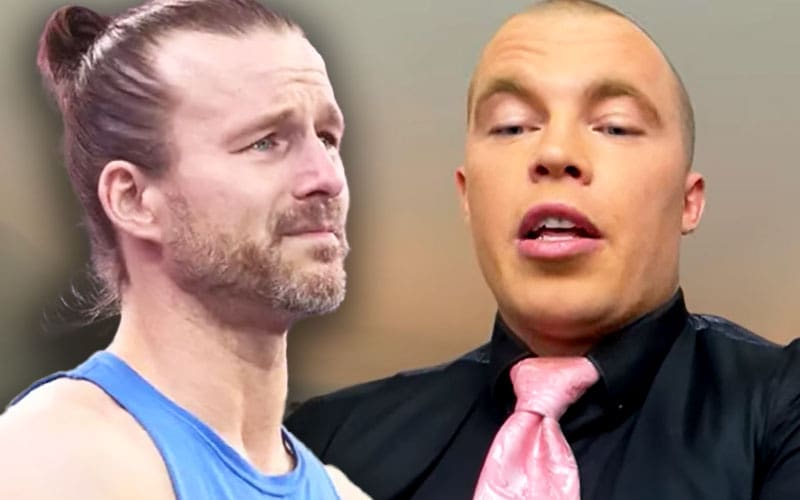
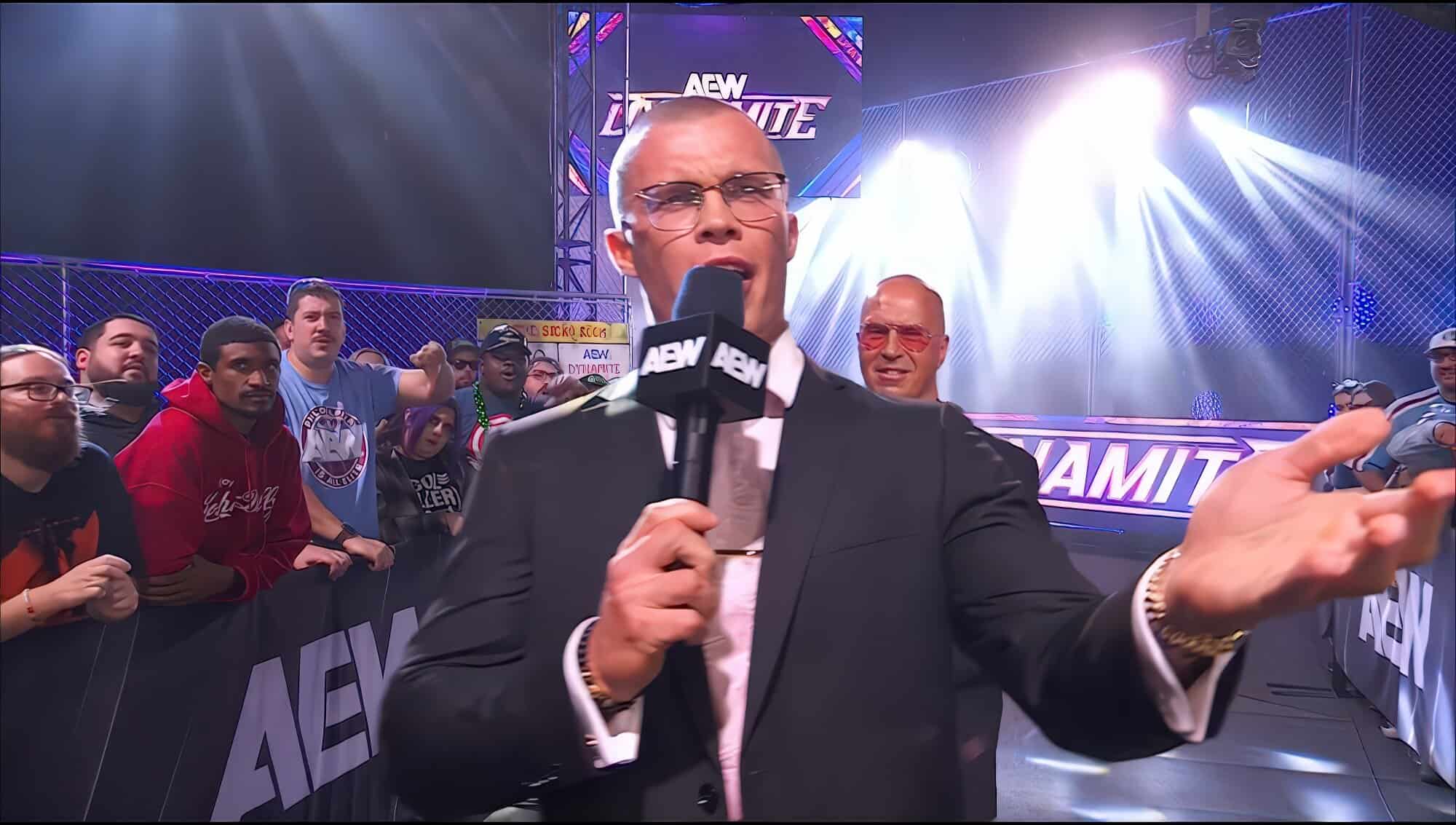
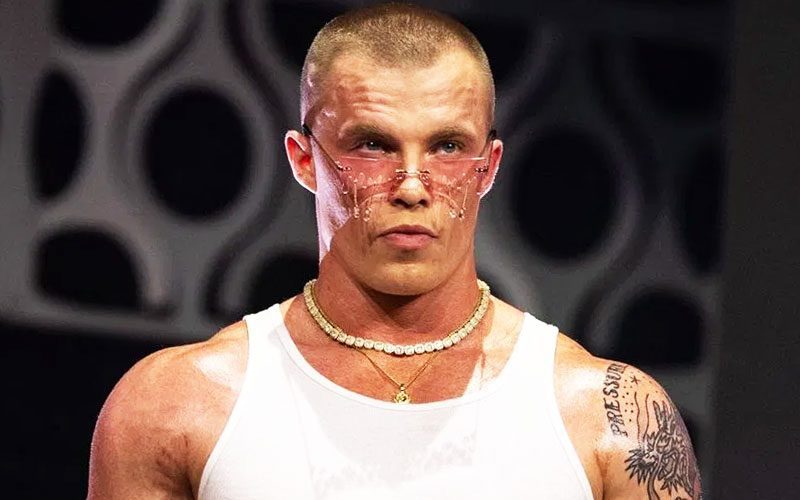
Enter Kyle Fletcher. At 27 years old, the Australian represents the physical prime that O'Reilly and Cole are fighting to regain. Fletcher knows something about the fragility of a wrestling career.
His Aussie Open tag partner Mark Davis has dealt with severe injury setbacks of his own. But Fletcher's most impressive recent maneuver did not happen inside the ropes. According to recent reports, Fletcher flat-out refused to use Adam Cole’s real-life injury for storyline heat.
He rejected the angle entirely. This is a remarkably mature tactical decision. In professional wrestling, cheap heat is the easiest currency to mine.
Mocking a peer's very real physical tragedy usually guarantees a loud chorus of boos. But it is empty heat. It does not draw money; it just makes the audience uncomfortable.
Building Sustainable Heat
By refusing to harvest Cole's misfortune, Fletcher demonstrated an understanding of character building that many veterans lack. He is choosing the harder path. He wants the fans to hate him for his arrogance, his in-ring superiority, and his actions between the bells.
He understands that building a sustainable main event run requires a foundation of competitive credibility. If you rely on meta-narratives and real-world misery to get a reaction, you expose a lack of creative depth. Fletcher is proving he does not need a crutch to get over.
Targeting the Mainstream
Instead of punching down at a wounded colleague, Fletcher is looking outward. During a recent interview with the Daily Star, he claimed he would love to 'deck' controversial broadcaster Piers Morgan at Wembley Stadium.
It is a brilliant, entirely ridiculous piece of promotional work. He bypassed the locker room drama entirely and targeted a mainstream figure known for generating mass outrage. Look at the scale of that ambition.
Wembley Stadium holds upwards of 80,000 fans. AEW will return there, and Fletcher is already planting seeds for massive, crossover moments. He is not trying to get a polite golf clap from the internet wrestling community.
He wants the kind of visceral reaction that translates into global headlines. He is looking at the biggest possible stage and aiming for the most obnoxious possible target. This stark contrast defines AEW's current transition period.
On one side of the locker room, you have generational talents like O'Reilly, whose bodies are issuing devastating invoices for a decade of classics. The physical toll is undeniable. On the other side, you have Fletcher, pivoting away from low-hanging fruit to manifest his own star power on his own terms.
The Tactical Shift Ahead of Dynasty
AEW is at a crossroads. Tomorrow night at AEW Dynasty, the company will put on another spectacular pay-per-view. But the ghosts of the injured list will be hovering over the arena.
With AEW Double or Nothing looming in exactly 56 days, the card is already shifting to accommodate the missing pieces. The promotion cannot survive if its top tier continues to break down at this alarming rate. Management needs to enforce a stylistic shift.
They need to teach the roster how to pace a match. The King's Road style of escalating head-drops worked in 1990s Japan, but those wrestlers paid a terrifying physical price later in life. We are watching the modern equivalent unfold right now on Wednesday nights.
Fletcher’s recent decisions suggest he already understands this balance. He works a fast, aggressive style, but his heat segments are methodical. He is learning to control the crowd with his presence rather than his bump card.
You do not need to drop someone on their head to get a reaction. Sometimes, refusing to cross a line generates more respect than any scripted promo ever could. If AEW is going to navigate this injury crisis, they need Fletcher's instincts to become the locker room standard.
The math is incredibly simple. A healthy star working a smart, character-driven style is worth exponentially more than a broken technician. O'Reilly's absence is a tragedy for the fans who love his immaculate grappling.
But it is also a blaring alarm for the rest of the roster. The era of the disposable body has to end. The era of the cerebral, calculated performer must begin.