Another Week, Another Indie Wrestling Implosion
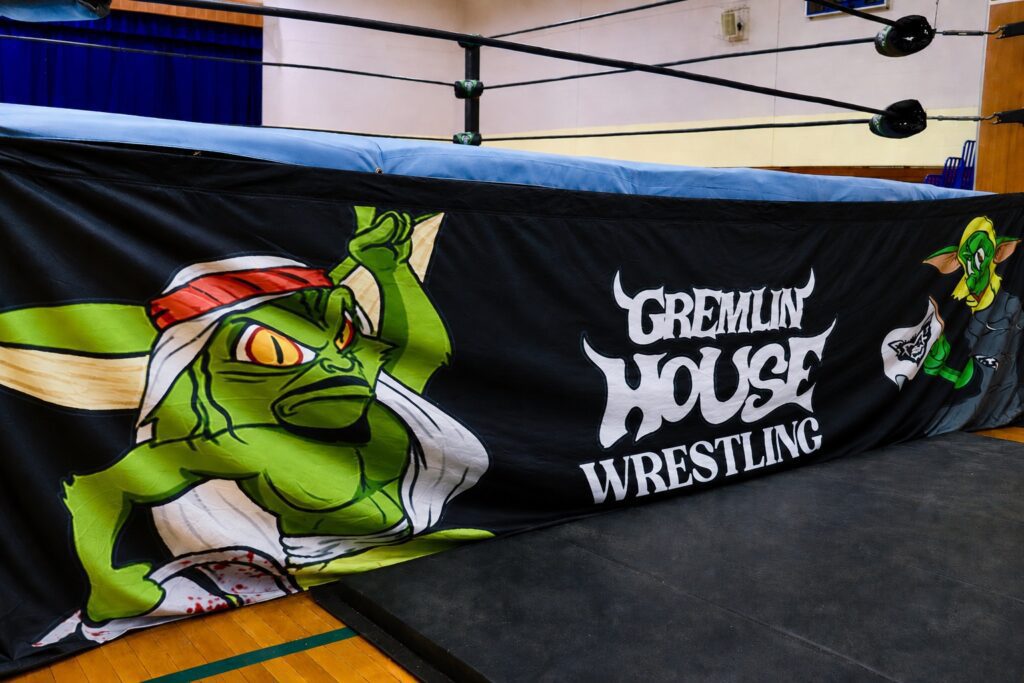
Oh, look, it’s that time of the month again. The time when a story breaks on the dirt sheets that makes you want to take a long, hot shower and question your life choices as a wrestling fan. This week’s episode of “Why The Indies Can’t Have Nice Things” stars promoter Patrick “YaYa” Hutchinson of Gremlin House Wrestling, who is now facing a barrage of serious allegations involving harassment and threats, with a minor wrestler reportedly at the center of it all. Fun!
As soon as the Ringside News story dropped, the digital pitchforks came out. The wrestling corners of Twitter, Reddit, and Facebook lit up like a Christmas tree doused in gasoline. This isn’t just another bit of backstage drama or a wrestler complaining about their spot. This is the kind of story that hits a raw nerve, digging up the ghosts of the #SpeakingOut movement and reminding everyone of the scene's eternally vulnerable underbelly. The community’s reaction has been swift, brutal, and deeply divided on how to proceed, creating a civil war in the replies.
The Court of Public Opinion: "Get Him Out. Now."
The overwhelming majority of fans wasted no time in reaching a verdict. For them, this is an open-and-shut case, and the sentence is a lifetime ban from the business. The sentiment is less “innocent until proven guilty” and more “fool me once, shame on you; fool me for the hundredth time, and I’m burning the whole building down.”
You can almost hear the furious typing behind posts like this one from a popular wrestling forum: “Don’t care. Don’t need more evidence. The second a minor is involved in allegations of this nature, you’re done. Any promotion that books him, any wrestler that works for him, and any fan that buys a ticket is complicit. We learned this lesson, or we were supposed to. Blacklist him. Erase him. The end.”
This isn’t just keyboard warrior rage; it’s a trauma response. Fans have seen this movie before, and they know how it ends. The #SpeakingOut movement exposed a systemic sickness, and the community’s biggest fear is that all that pain and progress was for nothing. They see tolerance for guys like Hutchinson as a direct betrayal of the wrestlers who spoke up. It’s a zero-tolerance policy born from seeing the industry fail to police itself time and time again.
The "What About Due Process?" Brigade
Of course, not everyone is ready to join the mob. A smaller, more cautious contingent is tapping the brakes, urging for a moment of clarity before the final nail is hammered into the coffin. They aren’t defending the alleged actions, but they are defending the principle of due process, a concept that often gets lost in the social media maelstrom.
A typical take from this camp sounds something like this: “The allegations are disgusting, and if they’re true, the guy deserves everything he gets. But we’ve seen people get railroaded by online mobs before. All we have is one side of the story from a news site. What if there’s more to it? Shouldn’t we let the legal process play out before we completely destroy someone’s life based on accusations?”
This perspective, while unpopular, isn't entirely without merit. The internet’s rush to judgment has had innocent casualties in the past. However, in the context of indie wrestling—a world with virtually no HR departments, unions, or regulatory bodies—many argue that community accountability is the *only* form of justice available. Waiting for a legal system that barely understands the carny world of pro wrestling feels like a gamble many aren't willing to take, especially when the safety of young performers is on the line.
My Take: The Smoke Is Choking the Business
So, where’s the truth? Is Patrick Hutchinson a predator who needs to be cast out, or is he the victim of a premature witch hunt? Honestly, in the world of indie wrestling, it almost doesn’t matter. The scene runs on trust, and once that trust is broken, it’s nearly impossible to get back.
The “due process” folks have a point in a perfect world. But indie wrestling is not a perfect world. It’s the damn Wild West. It’s a business built on handshakes, long car rides, and a shared dream. It’s a place where young, ambitious, and often vulnerable kids are chasing that dream, and they rely on promoters and veterans to guide them, not exploit them. The promoter-wrestler relationship is sacred, and when allegations this serious surface, that sacred bond is shattered for everyone.
The real issue isn’t one man’s guilt or innocence. It’s that the system is so fundamentally broken that these situations keep happening. There is no safety net. There is no central authority to report abuse to. There is only the court of public opinion. And while it’s a messy, imperfect, and often cruel court, it’s the only one wrestlers and fans have. The community has to be the immune system, and right now, it’s treating Gremlin House like an infection. You can’t blame them. When you see smoke this thick, you don’t wait to see the flames before you call the fire department. You just run.