The Headline: A Seismic Shift Up North
The Canadian independent wrestling scene has been starving for a national platform for the better part of two decades. That starvation period is officially over. Maple Leaf Pro Wrestling has just executed a massive power play, securing a national television footprint on Canada’s biggest sports broadcasting network.
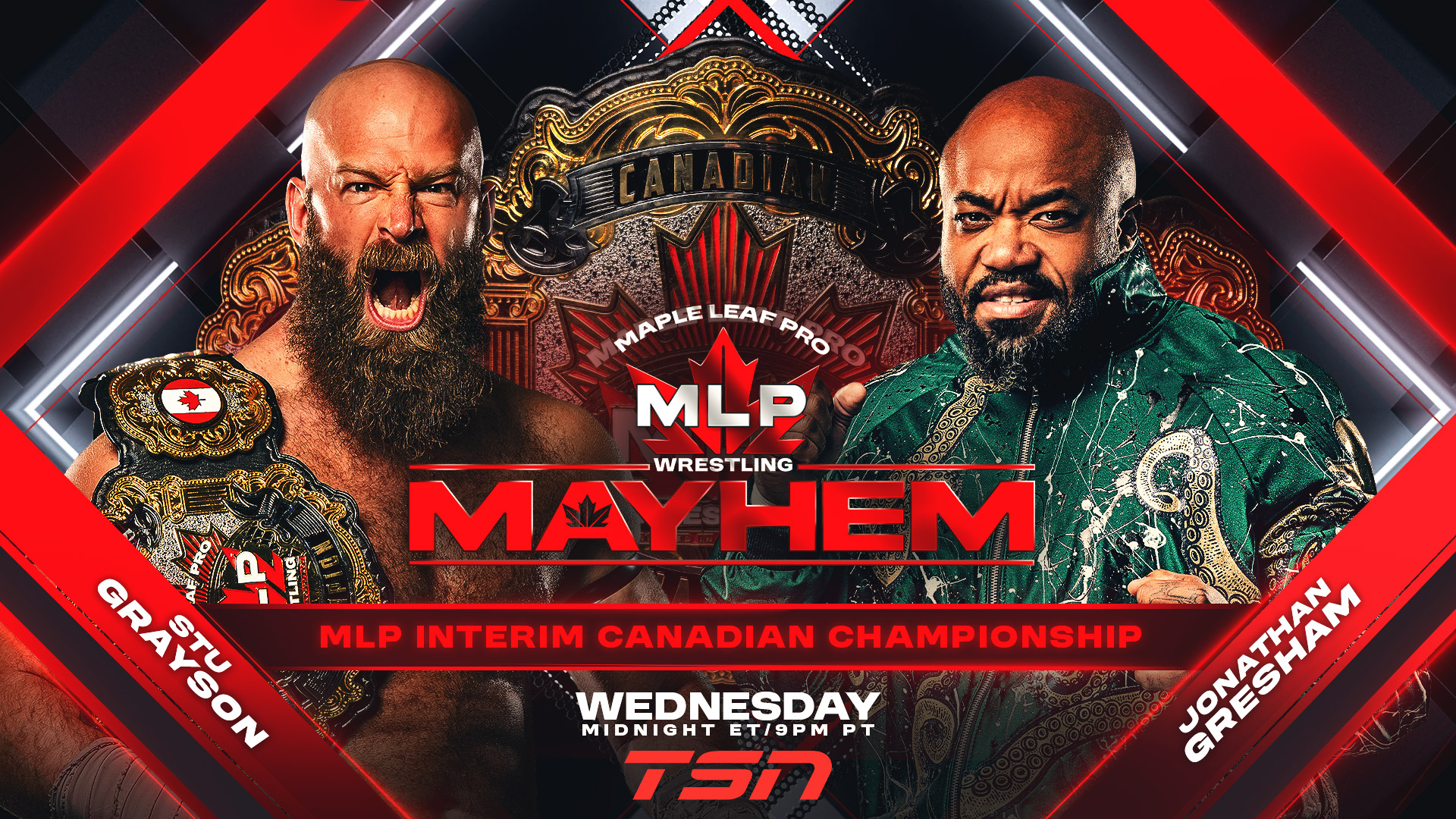
The new weekly series, officially branded as MLP Mayhem, is scheduled for a July debut. This is not a late-night syndication deal on a forgotten local channel. They are heading to TSN. That changes the math for every worker, promoter, and fan in the country.
According to initial reports from Ringside News, the company locked in the series after a period of quiet negotiation. Getting a meeting with TSN executives is hard enough. Convincing them to hand over weekly airtime to an independent promotion is borderline miraculous. You do not land on TSN with just a dream and a ring. You get there by proving you have a broadcast-ready production setup and a sustainable business model.
This announcement instantly makes MLP the premier destination for Canadian talent who cannot, or choose not to, relocate to the United States. But securing the television time is merely the first step. Surviving the weekly grind is where the real brutal reality of the wrestling business kicks in.
Historical Context: TSN and the Squared Circle
To understand the magnitude of this deal, you have to look at TSN's history with professional wrestling. The network is the gold standard for sports broadcasting in Canada, serving as the home for the NHL, the CFL, and major international tournaments. But their relationship with wrestling runs deep.
For years, TSN was the Canadian home for WWE's Monday Night Raw. They helped build the Attitude Era viewership north of the border. When WWE eventually moved their programming to rival network Sportsnet, TSN stayed out of the wrestling game for a long time. They finally returned by partnering with Tony Khan to broadcast AEW Dynamite, Rampage, and Collision.
By adding MLP Mayhem to their lineup, TSN is doubling down on professional wrestling. This indicates that their internal metrics show a strong, dedicated viewership for the genre. They clearly see value in live or taped-to-live event programming that draws consistent weekly eyeballs.
But the presence of AEW on the same network creates an immediate comparison point. Viewers flipping channels will inevitably measure MLP against the multi-million dollar production of AEW. That is a terrifying standard to meet for a promotion operating on a fraction of the budget.
The July Premiere Strategy
The timing of the launch is fascinating. As noted by BodySlam.net, Mayhem will hit the airwaves in July. In traditional television logic, launching a new show in the middle of the summer is a death sentence. People are on vacation, viewership is down across the board, and networks usually burn off failed pilots.
For wrestling, however, the summer provides a unique window of opportunity. The NHL playoffs are over. The NFL has not started. The NBA is in its offseason. Sports fans are desperate for content. MLP has a two-month runway to capture an audience before the brutal fall television season begins.
Furthermore, summer is traditionally a hot period for the wrestling industry. WWE is building toward SummerSlam, and AEW is marching toward All In. Fans are already tuned into the product. If MLP can ride that wave and present a compelling alternative on TSN, they might just survive the make-or-break first quarter of their broadcast run.
But the July start date also means the clock is ticking loudly. We are sitting in late March. That leaves roughly three months to finalize a roster, secure a taping location, build a set, and shoot promotional material. In the television business, three months is a blink of an eye. The pressure on the front office must be suffocating right now.
The Production Value Trap
This is where my optimism hits a brick wall. The history of independent wrestling promotions securing television deals is littered with catastrophic failures. The culprit is almost always production value.
Modern wrestling fans are conditioned by the slick, polished presentations of WWE and AEW. They expect immaculate lighting, crystal-clear audio mixing, and directors who know when to cut to the hard camera. When an indie promotion hits national TV looking like it was shot on a smartphone in a dimly lit rec center, the audience vanishes instantly.
MLP cannot afford to look cheap. They have to spend serious capital on presentation. The ring needs to look pristine. The entrance stage needs to pop on camera. The commentary team cannot sound like they are broadcasting from inside a tin can. If a fan tunes into TSN and the audio is blown out, they will change the channel and never come back.
This requires experienced television producers, not just wrestling people. They need a crew that understands broadcast standards. If they try to cut corners here, the TSN deal will be remembered as a short-lived embarrassment.
The Touring Economics of Canada
Another massive hurdle is the sheer size of the country. Canada is a logistical nightmare for a touring wrestling promotion. The population centers are spread out over thousands of miles. Driving from Toronto to Montreal is manageable. Driving from Toronto to Calgary is a multi-day ordeal.
Will MLP Mayhem be a touring brand, or will they operate out of a centralized studio? The financial reality suggests they need a home base. Running a weekly television taping from a fixed location in Ontario would drastically reduce travel costs and allow them to control their environment.
If they attempt to tour nationally right out of the gate, they will bleed money. Venue rentals, union fees, insurance, and talent transportation will eat their operating budget alive. The smart play is to establish a fortress—a dedicated venue where the local fans become part of the television presentation, similar to what ECW did with the ECW Arena, or TNA with the Impact Zone.
The Roster: Who Anchors the Ship?
You cannot draw weekly television ratings with workrate alone. You need stars. You need recognizable faces to hook the casual viewer who stumbles across the show on TSN.
Who is MLP going to sign? The independent market is highly competitive right now. They need veterans who know how to work for the hard camera, cut a concise promo, and hit their times. They cannot rely purely on young, athletic spot-monkeys who do not understand television pacing.
They need heavy hitters to anchor the main events while they slowly build up their homegrown Canadian talent underneath. If PWInsider follows up with roster announcements soon, we need to see names that carry legitimate weight. Bringing in established free agents on short-term deals might be the necessary evil to pop a rating in July.
Probability Assessment
Let's look at the cold, hard numbers. Securing the deal is an incredible achievement. Surviving the first year is a different game entirely.
I place the probability of MLP Mayhem completing a full, uninterrupted two-year run at roughly thirty-five percent. The odds are inherently stacked against them. Television executives are impatient. If the ratings do not meet expectations early, time slots get shifted. A prime-time slot can quickly turn into a midnight burial.
If the deal involves TSN paying actual rights fees, MLP has a fighting chance. It gives them a guaranteed revenue stream to cover production costs. If this is a time-buy—meaning MLP is paying TSN for the airtime and keeping the ad revenue—the financial runway is incredibly short. One bad month of ticket sales and weak ad buys could sink the whole ship.
The Final Word
This is a monumental moment for Canadian professional wrestling. A national television deal on TSN provides a legitimate alternative for talent and fans alike. It revives a legendary brand and injects serious energy into the independent scene.
But the celebration needs to end today. The real work is terrifying. They have to build a television-ready product from the ground up in less than 90 days. They have to sign a roster, sell tickets, and convince a jaded wrestling audience that they are worth their time.
July is coming fast. If MLP Mayhem delivers on its promise, we are looking at the birth of a new major player. If they fail, it might be another decade before a Canadian indie gets this kind of opportunity again.