
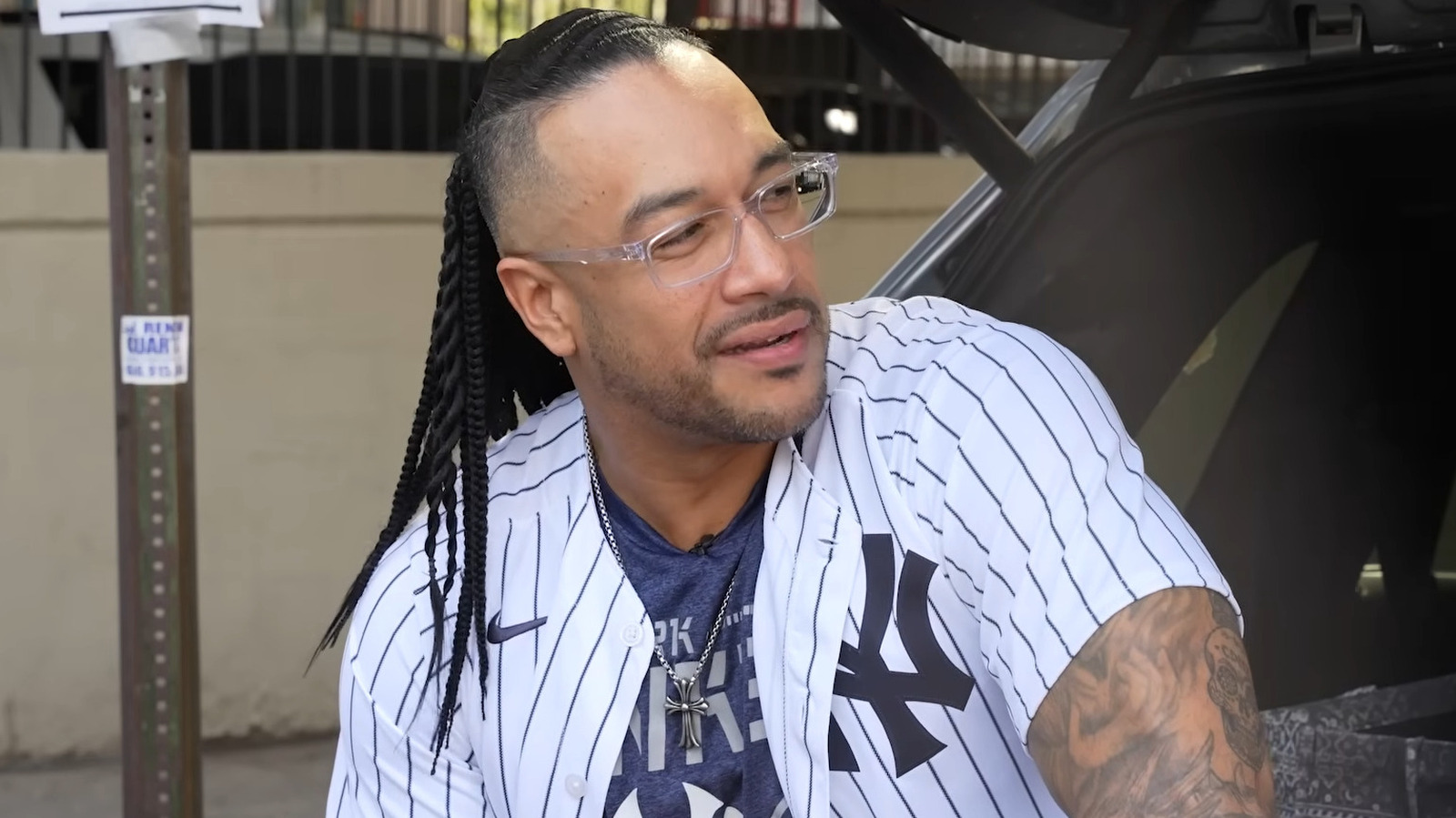
The boundary between fandom and harassment
We need to have a serious talk about how people treat wrestlers when the cameras aren't rolling. Damian Priest recently addressed the issue of fan interactions, and honestly, it’s embarrassing that we even have to discuss this in 2026. The guy is a professional athlete living out of a suitcase in a different city every three days, not an exhibit at the zoo.
Priest acknowledged that fans are passionate, but he laid down a hard truth: intensity is not a license for boundary-crossing. There is a massive gap between cheering for a guy while he hits a South of Heaven chokeslam in the middle of a 30-minute main event and stalking him at the airport at 3:00 a.m. One is participating in the show; the other is just being a creep.
The reality of life on the road
If you think the life of a WWE star is all private jets and champagne, recent industry stories prove how quickly that fantasy crashes down to earth. Wrestlers are people with actual lives, bad days, and private concerns. When you accost them while they are trying to eat a sandwich or grab a flight, you aren't "being a fan." You are being an obstacle to their already difficult job.
The shift in how we consume wrestling has created a weird, entitled fan culture. Between the parasocial relationships built on social media and the nonstop access we have to these guys’ lives, some people seem to have forgotten that wrestlers don't owe them a selfie every time they step outside. Priest handles these moments with more grace than most, but patience isn't an infinite resource.
Missing the point of the performance
Wrestling fans have a bad habit of thinking their "support" makes them stakeholders in these performers' personal existences. It doesn't. You bought a ticket to watch Damian Priest perform in the ring, not to document his private breakfast for your Instagram story. The talent works 250 days a year just to entertain us; the least we can do is let them have an airport gate to themselves.
There is also a booking element here that we need to address. The WWE has done a great job lately of prioritizing actual wrestling over cheap segments on SmackDown, but that shift in focus makes the performers look more like gladiators and less like social media influencers. When companies blur those lines to drive engagement, they inadvertently encourage the kind of parasocial obsession that leads to the harassment Priest is talking about.
We have to stop treating wrestlers like public property just because they are on our TV screens every Friday night. If you’re that guy trying to get an autograph while he’s clearly exhausted at a layover, take a look in the mirror. You’re not a "superfan." You’re just a guy who needs to learn how to act in public.
Let’s keep the energy in the arena. If you want to show your love for the product, scream your lungs out during the false finishes. Spend your money on merch. Post your appreciation online. But for the love of everything, leave these guys alone when they’re trying to live their real lives. It really isn't that hard to be a decent person.