The 2002 benchmark for locker room volatility
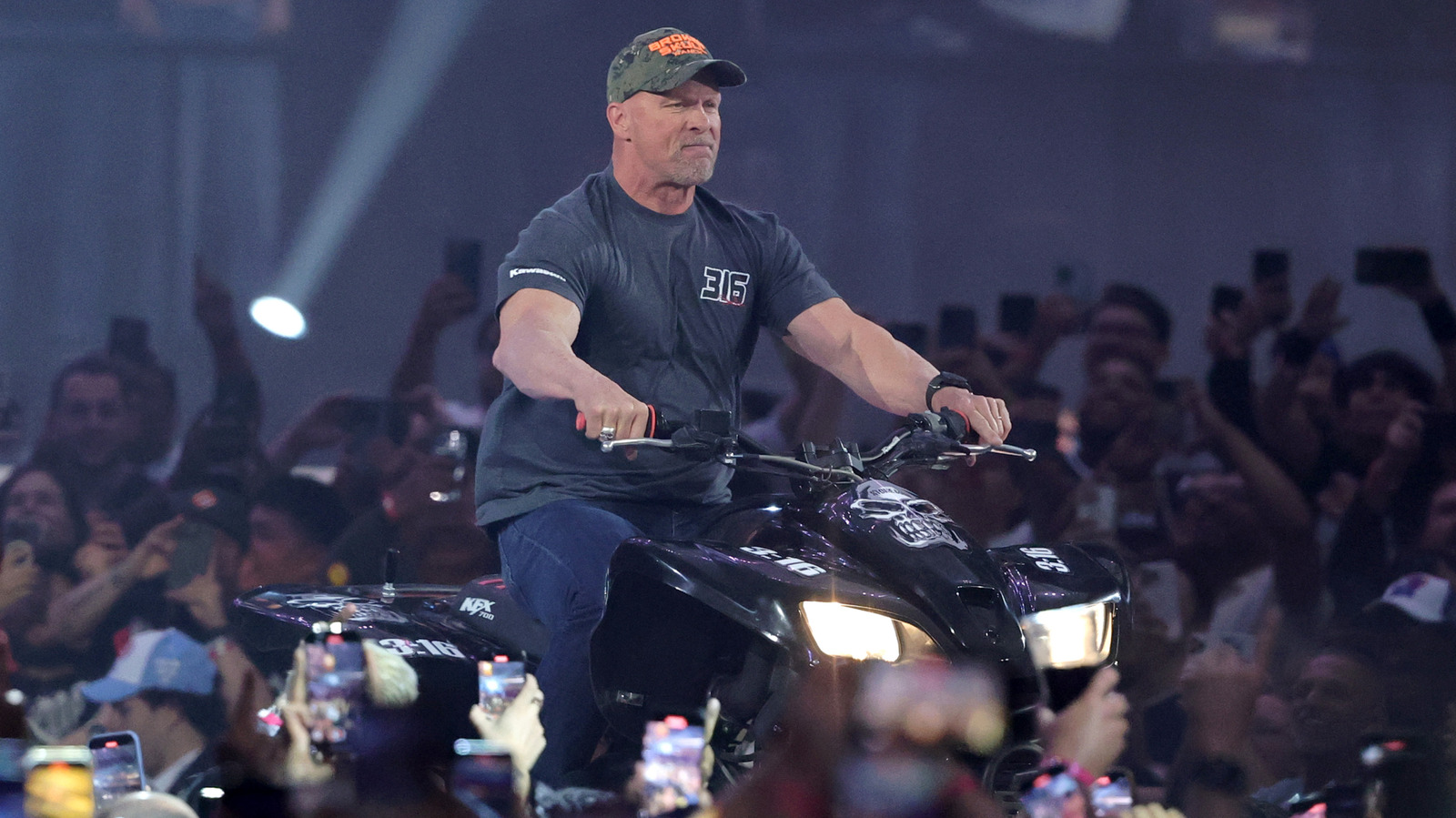
On June 10, 2002, WWE lost its most valuable asset for exactly 263 days. When Stone Cold Steve Austin walked out of the Philips Arena in Atlanta rather than lose a non-televised, unbuilt qualifying match to Brock Lesnar, the internal logic of the company shifted. We talk about the Attitude Era ending at WrestleMania 17, but the statistical reality of its death is the 0.5 rating drop Raw took in the weeks following Austin's departure. This was the ultimate high-stakes exit, a move that left the locker room in a state of genuine disbelief.
John Bradshaw Layfield recently looked back on that night, noting he was shocked by the development. As JBL reflected on the walkout, his primary takeaway was the speed at which the locker room expected a resolution. He expected fences to be mended quickly. In 2002, the assumption was that no one—not even the man who moved 12 million Austin 3:16 shirts—could stay away from the machine. JBL was wrong. It took nearly nine months for Austin to return at No Way Out 2003, and by then, the company's trajectory had been permanently altered by the rise of the Ruthless Aggression era.
The Marc Mero contract that broke the locker room
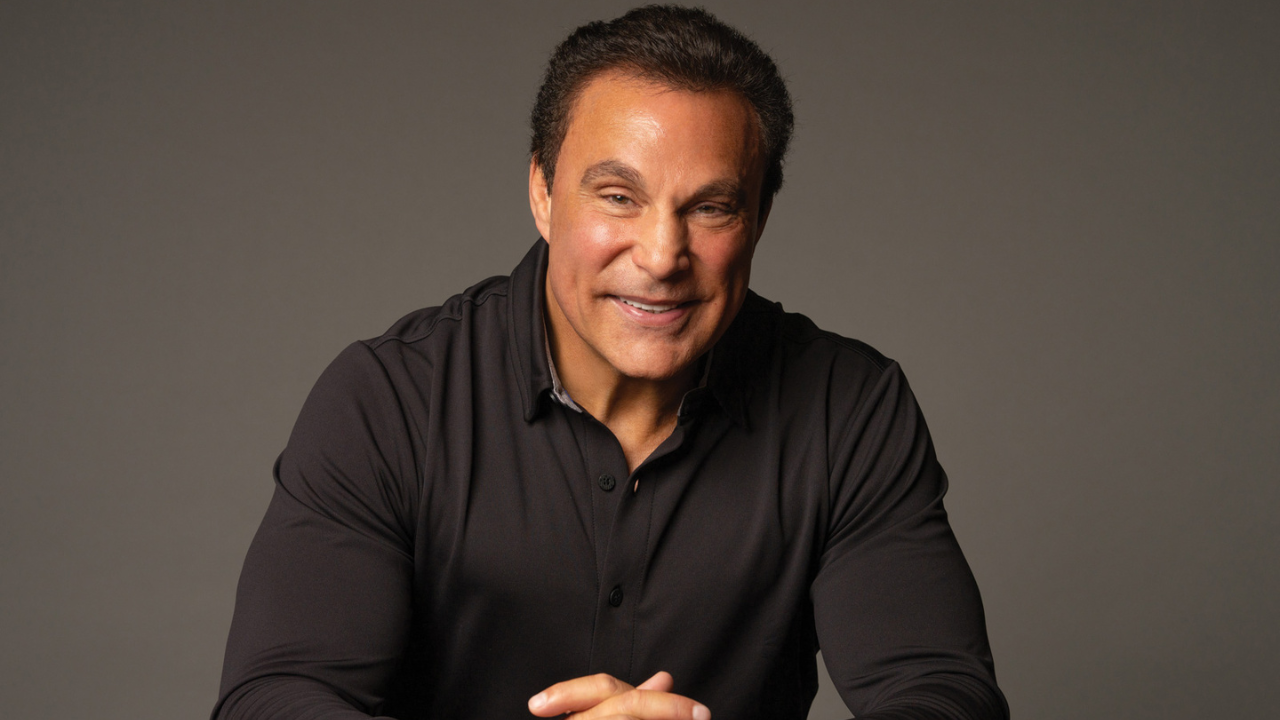
If Austin was the example of a star leaving because of creative disrespect, Marc Mero represents the statistical anomaly of a star who stayed but was effectively pushed out by peer resentment. In 1996, Mero signed the first ever guaranteed multi-year contract in WWE history. The figure was $350,000 per year at a time when the average mid-carder was lucky to clear six figures without a heavy touring schedule. This financial outlier created a target on his back before he even stepped through the curtain.
Mero recently admitted that he never reached the top of the card because he wasn't well-liked by his peers. In professional wrestling, popularity in the locker room is a leading indicator of career longevity. Mero pointed to a lack of support from "the boys" as a primary reason his push stalled. When your coworkers don't want to work with you, your in-ring efficiency drops. Mero's win percentage in 1997 hovered around 42%, a dismal figure for someone the company had invested so much capital in. He became an expensive asset with no social currency, eventually fading out by 1999.
Jinder Mahal and the modern era of mutual consent
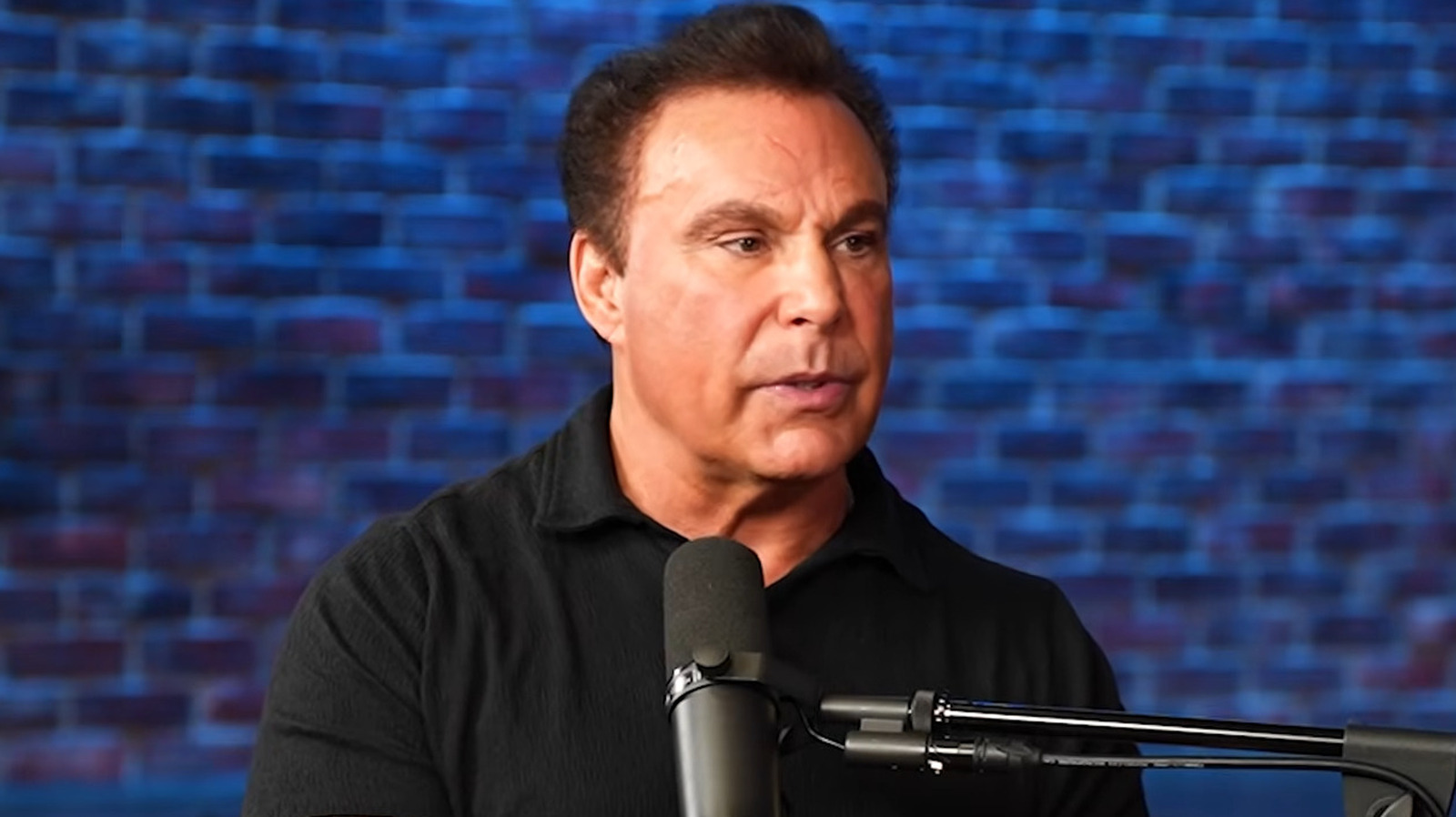
Compare the chaos of Austin's walkout or the resentment of Mero's tenure to the 2024 departure of Raj Dhesi, formerly Jinder Mahal. In the TKO era, exits have become clinical, almost corporate. Dhesi's run is a study in statistical extremes. He is one of the few performers to be released, rehired, win a world title, and then be released again. His 170-day reign as WWE Champion in 2017 remains one of the most polarizing data points in modern booking history, primarily because it didn't lead to a sustained top-tier position.
By the time his 2024 exit arrived, the data suggested his utility had peaked. As Raj Dhesi discussed his departure, he noted that it was the perfect time for him and the company to part ways. This is the language of a professional athlete whose contract has run its course. In 2023, Mahal appeared in only 14 televised matches. For a former world champion, that is an 80% decrease in activity compared to his 2017 peak. When the volume of appearances drops that low, the cost-to-benefit ratio for the office becomes impossible to justify. Dhesi didn't walk out like Austin, and he didn't have the locker room heat of Mero; he simply became a redundant asset in a streamlined roster.
The economics of the 'Time to Go' moment
Determining the exact moment a wrestler's value plateaus requires looking at more than just title wins. It is about the intersection of backstage heat, contract value, and creative output. Mero was a financial pioneer who lacked the social infrastructure to succeed. Austin was a creative force who realized his leverage was higher than the company's ego. Mahal was a company man who recognized when the machine no longer had a slot for his specific archetype.
The failure of the Marc Mero experiment in the late 90s actually paved the way for the massive contracts we see today. If Mero doesn't sign for $350k in 1996, the leverage for guys like Kevin Nash and Scott Hall to jump to WCW changes. Mero's lack of locker room support was a critical failure, but his contract was a success for the industry's wage floor. However, his inability to turn that money into main event drawing power is a negative mark on his legacy that he still acknowledges today. He had the money but not the respect, and in the 90s, you needed both to survive.
Why the modern exit is safer but less impactful
We are currently in a period where WWE's roster retention rate is higher than it was in the early 2000s. In 2002, the turnover rate of the active roster was approximately 15% annually. In 2025, that number has tightened. The company is more selective, and the departures are less about "walking out" and more about "expiring." This is better for the stock price but arguably worse for the product's unpredictability. We don't get the "shock" JBL felt in 2002 because every move is telegraphed by contract status reports and social media activity.
The critical flaw in the modern system is the loss of the outlier. Marc Mero was an outlier because of his pay. Steve Austin was an outlier because of his defiance. Jinder Mahal, despite his 170 days at the top, was never allowed to be an outlier. He was a placeholder for a specific market strategy. When that strategy shifted, his value hit zero. Professional wrestling thrives on the friction between the performer and the office. When that friction is replaced by "mutual consent," the drama of the sport takes a measurable hit.
Ultimately, the numbers don't lie about the career arcs of these three men. Austin's 2002 exit was a $10 million gamble that he eventually won by returning on his own terms. Mero's 1996 deal was a $1.05 million investment over three years that yielded a negative return in terms of star power. Mahal's 2024 exit was a zero-sum game—a veteran clearing space for the next developmental call-up. The locker room might be more professional now, but it is certainly less interesting than the day JBL sat in Atlanta wondering why the biggest star in the world just got in his car and drove home.