The News Behind the Logistics
The announcement dropped quietly this morning. PWInsider confirmed that WWE is putting 10 new live events on sale today. To the average fan, this is just a logistics update. It is a list of cities and dates scrolling across a ticker.
But if you actually care about the mechanics of professional wrestling, this is the most important news of the week. The untelevised live event is the last remaining laboratory in the industry. It is where the real work happens.
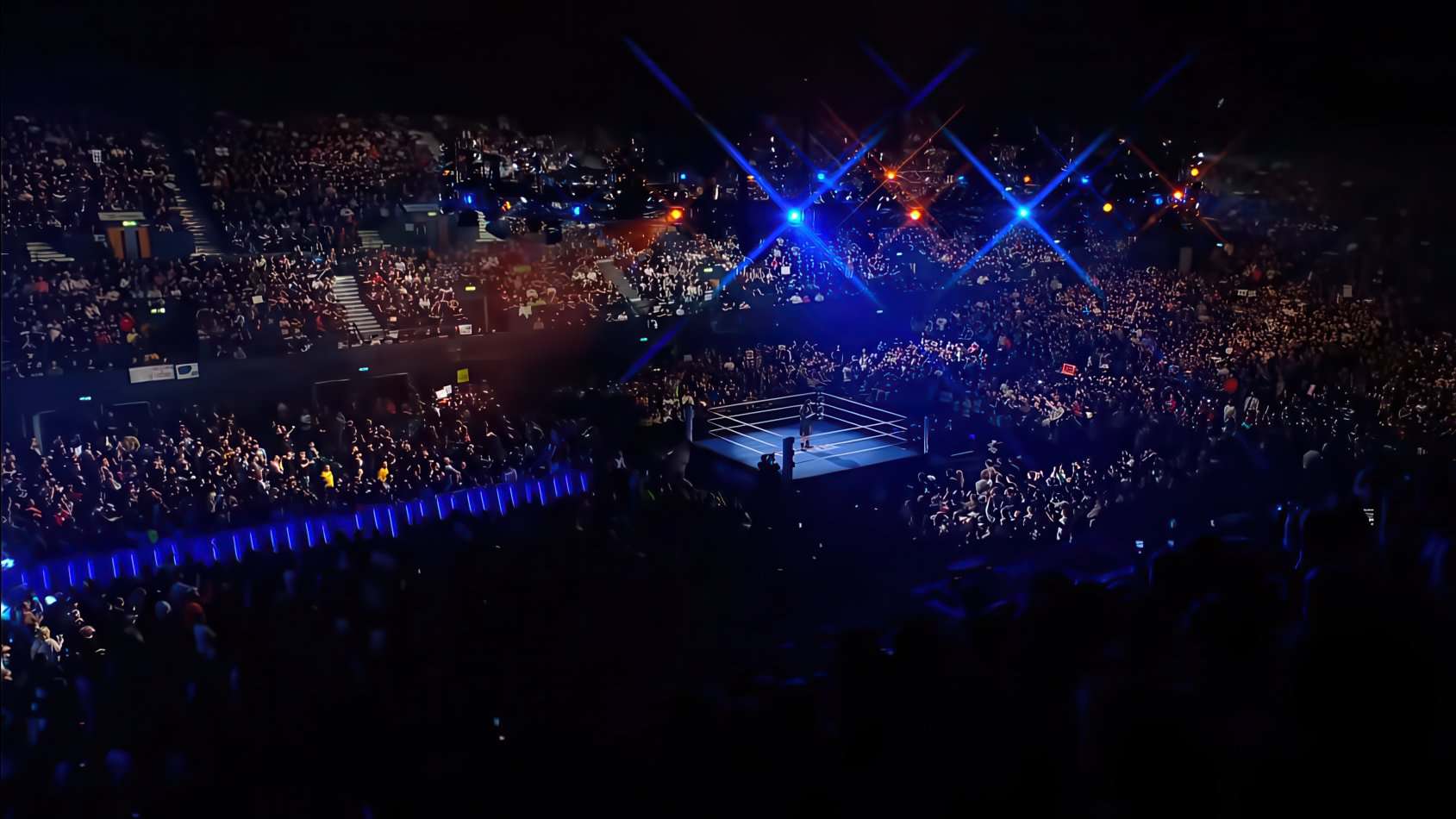
You don't learn how to sequence a long main event while dodging commercial breaks on Monday night. You learn it on a Sunday night in a half-full arena in Saginaw. These 10 dates represent a vital training camp.
The Television Problem
We need to be brutally honest about the current state of WWE's television product. The weekly broadcasts are structurally broken from an in-ring perspective. Matches on Raw and SmackDown are not athletic contests.
They are precisely timed content blocks designed to retain viewership through ads for insurance companies. The rigid formatting kills in-ring psychology. A wrestler gets their shine. The heel cuts them off. We go to commercial.
We return to a chinlock. The babyface makes a comeback, hits three signature moves, and we go to the finish. It is exhausting in its predictability. It forces elite workers to water down their offense into bite-sized, easily digestible visual clips.
The house show strips all of that away. The hard camera is gone. The commercial breaks are gone. The producer screaming in the referee's earpiece to go home is ignored.
Tactical Freedom and Geometry
Look at what happens when you give two competent workers twenty uninterrupted minutes. The entire geometry of the ring changes. On television, wrestlers are trained to constantly rotate toward the hard camera.
Every submission hold is cranked at a specific angle. Every pinfall involves hooking the leg while facing the red light. It creates a visually flat product. It looks entirely unnatural.
When you watch a real combat sport, fighters move in circles. They cut off the cage. At a live event, that artificial constraint disappears. The wrestlers work a full 360-degree radius. You see proper footwork.
A heel will physically step between the babyface and the referee to mask a low blow. They don't have to worry about blocking a camera shot. The action looks significantly more violent because it isn't being framed for a 16:9 television ratio.
The Art of the Cutoff
Think about the cutoff spot. This is the moment the heel stops the babyface's momentum. On Monday Night Raw, the cutoff usually happens on the floor, right before a commercial break.
Someone gets thrown into the ring steps. The screen fades to black. On this upcoming 10-date loop, you will see the lost art of the in-ring cutoff. It is purely about timing and leverage.
A babyface hits the ropes for a third time, building speed. The heel doesn't just stick an arm out. They change levels. A perfectly timed drop toe hold. A stiff knee to the midsection that legitimately folds the opponent in half.
These micro-interactions are where the psychology of the match is built. This is exactly what workers will be testing out on these newly announced dates.
The Main Event Laboratory
Since these tickets are going on sale, let's look at what the main event loop will actually look like. Cody Rhodes is the champion following his retention at Backlash. He needs fresh reps.
He is likely going to spend these ten dates working with a dedicated mechanic. Someone who can push his cardio and test his defensive transitions. Let's assume he draws a worker like Finn Bálor for the B-town loop.
How does Rhodes structure a title defense when the cameras are off? He operates best when working from underneath. His entire offensive arsenal is built around sudden, explosive counters.
The snap powerslam. The Cody Cutter. These moves require the opponent to be moving forward aggressively. If he works a technician on this loop, watch the opening five minutes. They will stay entirely on the mat.
Executing the Final Five Minutes
Let's map out exactly how the final five minutes of the main event will play out on these dates. This is the blueprint. Rhodes is down. The crowd is rallying. Bálor is perched on the top turnbuckle.
Notice the footwork Bálor uses to climb the ropes. He doesn't rush it. He waits for the precise moment the crowd noise peaks. He leaps.
Rhodes rolls out of the way. But Rhodes doesn't just pop up immediately. That is a TV crutch. He takes a breath. He uses the ropes to pull himself vertical.
Bálor recovers first. He charges for the shotgun dropkick. Rhodes sidesteps. He hooks Bálor's arms. A snap dragon suplex. The sheer velocity of the throw spikes Bálor directly on his upper shoulders.
Both men are down. The referee starts the count. This is where the pacing masterclass happens.
On television, this double-down lasts exactly ten seconds before the comeback sequence starts. On a house show, they milk it. They let the audience simmer. They crawl toward each other.
They trade forearm strikes from their knees. Rhodes throws a right. Bálor answers with a European uppercut. The strikes get faster. They fight to their feet.
Bálor tries a quick inside cradle. Rhodes kicks out heavily. Rhodes ducks a clothesline. He drops to the mat, popping up to hit the signature dropdown uppercut. Bálor staggers backwards.
The Finish
Rhodes springs off the middle rope. The Cody Cutter connects. But he doesn't go for the pin. He knows the match needs one final escalation.
He waits for Bálor to stand. He kicks him squarely in the gut. He hooks the head and the arm. The Cross Rhodes connects. The referee counts to three.
This entire sequence takes six minutes. On television, it would be compressed into ninety seconds. The live event allows the performers to breathe.
It allows them to sell the physical toll of the match. They use these loops to find out which near-falls actually draw a collective gasp from the crowd.
If a bridging O'Connor roll gets a massive pop in Peoria, you can guarantee they will save that exact sequence for the next premium live event. They are beta-testing the drama.
The Verdict and Prediction
You want a prediction for this newly announced 10-date loop? I will give you one. The televised matches over the next month will remain frustratingly brief and over-produced.
Fans will complain on social media about the lack of wrestling on the wrestling show. But the people who buy tickets to these ten live events are going to see the best pure in-ring work of the year.
They are going to see Cody Rhodes wrestle 25-minute clinics. They are going to see midcarders throwing stiff European uppercuts that actually echo through the arena. Rhodes will sweep the loop.
He will retain the title every single night. The matches will average over twenty minutes. He will win via the Cross Rhodes, but only after surviving a targeted assault on his upper body.
Buy the ticket. Skip the television broadcast. The real work is happening in the dark.