The London talent vacuum is spinning again
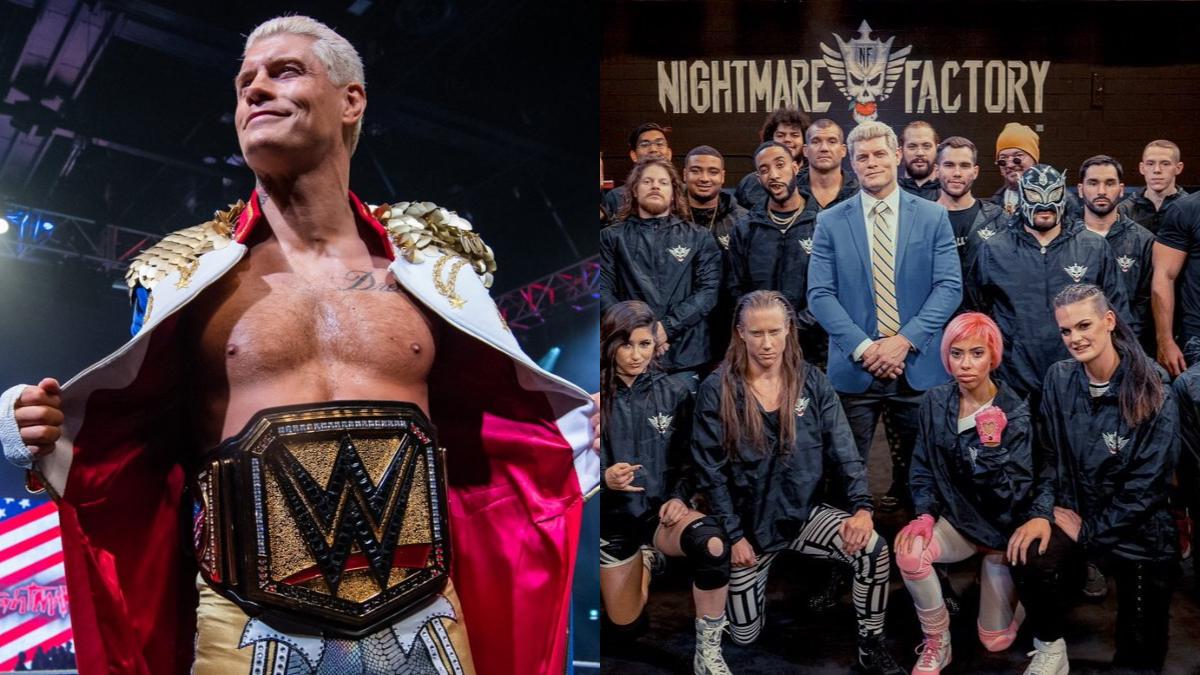
WWE is back in London, and the scouting machine is running at full throttle. This isn't the first time the company has set up shop in the UK to harvest the local scene, but the 2026 iteration of the London tryouts feels different. The shadow of WrestleMania 41 still looms large over the entire industry, and with Cody Rhodes firmly entrenched as the standard-bearer on Night 2, the search for the next generation of challengers has moved into high gear.
We have seen these cycles before. The initial NXT UK expansion effectively gutted the British independent scene, leaving promotions like RevPro and Progress to rebuild from the studs up. Now that the scene has finally regained some semblance of its former self, WWE Recruit has landed in the capital to see what else they can extract. Reports from the ground suggest a mix of seasoned indie veterans and high-level athletes from outside the industry, all vying for a spot in a system that has become increasingly rigid.
The technical reality of these tryouts has shifted significantly under the current regime. Gone are the days of just looking for the biggest body in the room. The scouting team is now obsessed with athletic metrics: vertical leaps, shuttle run times, and the ability to take a flat-back bump without losing their wind. It is an operational pipeline designed for maximum efficiency and minimum risk, but it often ignores the intangible charisma that actually sells tickets.
The ghost of NXT Europe
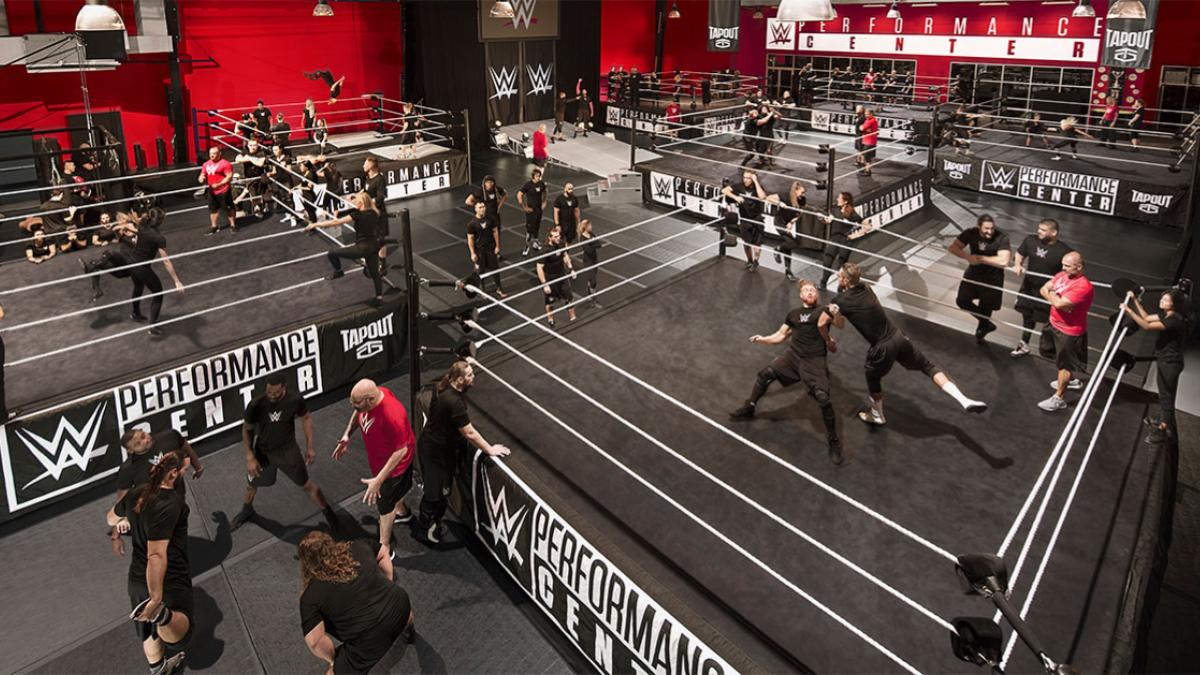
For years, we have been told that NXT Europe is just around the corner. We are now in late April 2026, and the project still feels more like a theoretical exercise than a functioning brand. These London tryouts are the closest thing we have to a progress report. If WWE signs ten people from this camp, where do they go? Orlando is already crowded with college athletes who can do backflips but can't tell a story in the ring. The bottleneck at the Performance Center is becoming a genuine structural problem for the company.
There is a technical debt accumulating in the developmental system. By prioritizing raw athletes over established workers, WWE is forcing its trainers to spend years teaching the basics of ring positioning and psychology. A 72-hour tryout in London isn't enough to determine if a former rugby player has the instincts for a 20-minute main event. It only tells you if they can survive the drills. This factory approach to talent is why so many call-ups feel like interchangeable parts once they hit the main roster.
One candidate mentioned in the recent reports noted the intensity of the atmosphere, which is par for the course. WWE wants to see who cracks under the pressure of the cameras and the staring eyes of the coaching staff. It is a psychological evaluation as much as a physical one. But the real test isn't the drills; it is the three minutes they get on the microphone to prove they aren't just another body in a black tracksuit.
The Cena factor and the empty locker room
We are currently witnessing the beginning of the end for the greatest era of star power in the company's history. John Cena's farewell tour, which kicked off with that emotional appearance at WrestleMania 41, is a ticking clock. When Cena finally hangs up the boots, he leaves a massive hole in the top of the card that cannot be filled by mid-carders with good abs. The London tryouts are a desperate attempt to find a superstar who can bridge the gap between the current era and whatever comes next.
The problem is that you cannot manufacture a John Cena or a CM Punk in a controlled environment. Those guys were forged in the fire of high-school gyms and armories, places where they had to fight for every ounce of attention. The current crop of recruits is being handed a roadmap and a salary before they ever lock up in front of a paying crowd. It creates a sterilized version of professional wrestling that lacks the grit required to reach the highest level of the industry.
The British scene has always been the counter-culture to the WWE style. It was built on technical wrestling, hard strikes, and a refusal to be polished. By absorbing the top tier of that talent, WWE isn't just improving its own roster; it is neutralizing a potential alternative. This is a predatory scouting model, and while it might be good for the individual wrestlers who get that 90 days of guaranteed pay, it is arguably a net negative for the health of the UK wrestling ecosystem.
The mid-card logjam
Look at the current Raw and SmackDown rosters. They are packed with talent that came through these very tryouts over the last five years, yet most of them are spinning their wheels in meaningless six-man tags. The success rate for these international camps is actually quite low when you look at the long-term data. For every Gunther, there are twenty names that the average fan has already forgotten. The conversion rate of 'tryout standout' to 'main eventer' is hovering around 5% at best.
The focus on London this week suggests that WWE is worried about its European depth. With Backlash 2026 just nine days away, the company is looking to capitalize on the international momentum they've built over the last two years. They want local heroes for their global PLEs, but they want those heroes to be trained 'the WWE way' from day one. It is a branding exercise disguised as a talent search.
There is also the issue of the aging main roster. While Cody Rhodes and Roman Reigns are still the biggest draws, they aren't getting any younger. The next tier of talent—the Bron Breakkers and Carmelo Hayes—are doing well, but they need opponents. If the London tryout doesn't produce at least one worker who can jump straight into the NXT mid-card and stay there, it has to be considered a failure of the scouting department's primary mission.
A critical look at the current crop
Initial word on the names confirmed for the London camp suggests a heavy leaning toward the 'look' over the 'work.' This is the biggest mistake the company continues to make. They are chasing the aesthetic of a wrestler rather than the soul of one. We've seen world-class athletes fail miserably because they don't understand how to register a lariat or how to time a comeback. You can't teach a 240 pounds linebacker to care about the history of the sport if they're only there for the paycheck.
The indie vets who are attending are the ones we should be watching. They are the ones who will be doing the heavy lifting in the ring during these drills, making the athletes look better than they actually are. It is a thankless task. Often, the vet gets a 'thank you for coming' while the guy who blew every spot but has a better vertical gets the developmental contract. It is a frustrating dynamic that continues to alienate the hardcore fanbase that actually follows the talent pipeline.
The London tryout should be about finding specialists—the high-flyers who can do things no one else can, or the technical wizards who can make a headlock look like a death sentence. Instead, we are likely to get a group of generalists who fit the corporate mold but fail to move the needle. The homogenization of the WWE style is a real threat to the product's longevity, and it starts at the tryout level.
Prediction: The cream rises, the athletes fade
My call for this London camp is simple: WWE will sign six people, but only one will be a household name by 2029. That person won't be the former Olympian or the CrossFit champion. It will be the indie worker who has spent the last five years working in front of 600 attendees in community centers across the Midlands. That is where the real talent is forged, and no amount of Performance Center polish can replace that experience.
Expect to see at least two of these names pop up on NXT TV by the time we hit the summer heat, likely in background roles or as 'local competitors' to put over the next big thing. The real test will be who survives the first round of cuts in twelve months. Most won't. They will realize that the life of a developmental wrestler is a grind of 5 AM workouts and repetitive drills that would break a normal person. Only the ones who truly love this business will make it out of that warehouse in one piece.
WWE is playing a numbers game in London. They are throwing a wide net and hoping for a miracle. But miracles are rare in this business, and usually, they're the ones who didn't wait for a tryout invite to start making noise. The London scene is still the best place in the world to find those miracles, but WWE needs to start looking with their eyes, not their spreadsheets.
Read Next
- Top 10: The Defining Combat Sports Moments of April 2026
- WWE is finally heading back to Ecuador and it only took a decade of begging
- WWE is mining London again but the gold might be running thin
- SmackDown returning to two hours won't save the Backlash build
- 🏆 WrestleMania 41 — Full Coverage Hub
- 💥 WWE Backlash 2026 — Full Coverage Hub
- 👴 John Cena Retirement Tour 2026