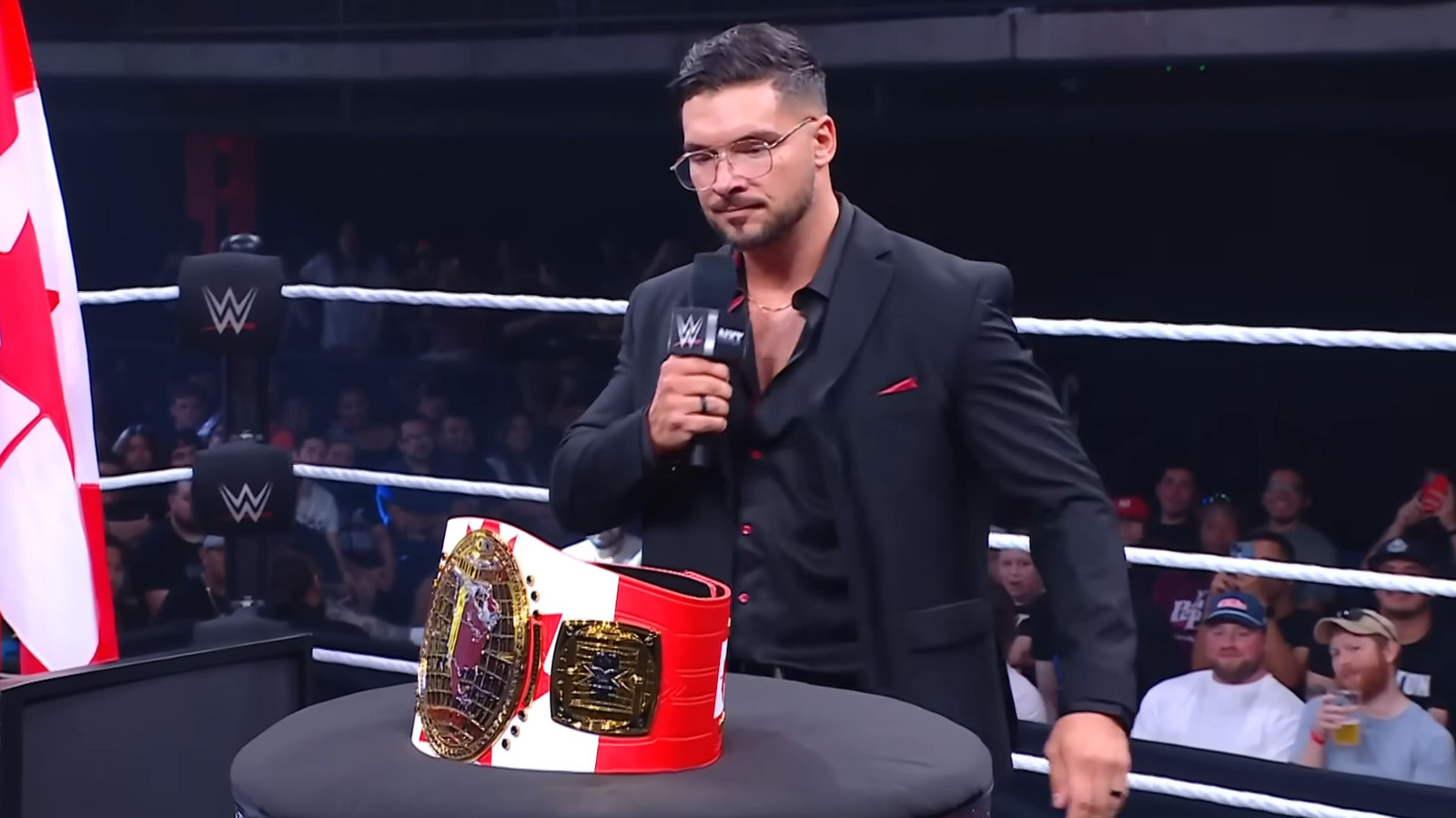
The news dropped quietly on a Tuesday, but the implications for the industry are massive. The CW Network has officially acquired the exclusive broadcast rights to WWE NXT Premium Live Events in a multi-year deal. This pulls the developmental brand's biggest shows out of the streaming format entirely. They are being placed squarely on free, over-the-air television. It is a fascinating pivot. TKO is systematically unbundling the WWE product, searching for maximum revenue in every available television time slot.
For a decade, fans have been trained to expect a specific delivery mechanism for premium wrestling. You pay your monthly subscription fee, boot up an app, and watch a broadcast free of traditional television constraints. There were no hard commercial cutaways during a submission hold. There was no awkward pacing to accommodate local affiliate news updates. That era is coming to a close for the NXT brand.
This deal makes total sense for the network executives in Burbank. The CW has spent the last three years aggressively trying to shed its reputation as the home of supernatural teen dramas. They pivoted hard into live sports. They grabbed LIV Golf, ACC football, and a smattering of secondary racing leagues. They brought the weekly NXT television show to their Tuesday night lineup in late 2024. Securing the premium live events is the natural progression of that corporate relationship.
Live wrestling guarantees a steady, loyal audience that watches in real-time. In modern media negotiations, that makes the property bulletproof. Advertisers crave live viewers who cannot fast-forward through the breaks. NXT delivers a younger demographic than traditional broadcast mainstays. More importantly, those fans watch live.
The End of the Uninterrupted Match
We need to talk about what this means for the actual wrestling inside the ring. This is where the CW deal starts to look incredibly frustrating for the hardcore viewer.
Streaming shows allowed NXT to put on wrestling clinics. A 30-minute main event could breathe. The performers controlled the pace organically. When you move a major event to a broadcast network, you are suddenly subservient to the ad-sales department. The CW is paying millions for these rights. They are going to extract their return on investment through heavy commercial loads.
We are about to return to the formatting of the old WCW Clash of the Champions specials on TBS. Expect picture-in-picture commercial breaks during mid-card title matches. Expect sudden, jarring cuts to fast-food commercials right as a wrestler hits a dive to the outside. It ruins the immersion completely.
Wrestling on broadcast television requires a totally different psychological approach from the performers in the ring. They have to structure their matches around hard commercial cues. A wrestler cannot start a fiery comeback if the floor manager is signaling for a two-minute ad break. They have to grab a rest hold. They have to slow down. They have to stall.
Shawn Michaels and the coaching staff at the Performance Center now face a monumental task. They are training developmental talent. These men and women are still learning ring positioning, camera awareness, and basic crowd psychology. Now, they are being asked to memorize exact time cues and hit commercial breaks perfectly on a live broadcast network special.
It is an absurd amount of pressure. If a 22-year-old rookie misses their cue on a regular Tuesday night episode, the producers can cover for it in the truck. If they miss a cue during a heavily promoted Sunday night network special, the CW loses ad money. The stakes are completely different.
The TKO Unbundling Strategy
This also creates a bizarre fragmentation for the WWE fan. Raw is heading to Netflix. SmackDown is firmly on the USA Network. NXT weekly is on CW. Main roster premium live events are still on Peacock for now. Following the product requires a spreadsheet.
TKO executives clearly do not care about viewer friction. Their strategy is entirely focused on driving up the individual value of every property they own. By pulling NXT shows off Peacock, they prove they can sell secondary live event packages to the highest bidder. Nick Khan has spent years telling anyone who will listen that WWE is a premium sports property. This CW deal is his proof of concept.
You have to wonder what this means for the future of the WWE streaming archive. NBCUniversal paid heavily for the rights to the entire WWE streaming package. Stripping NXT's biggest shows out of that package devalues the Peacock offering. It suggests that when the current Peacock deal expires, TKO might just sell WrestleMania to one streaming service, Royal Rumble to a tech company, and SummerSlam to a traditional network.
Let's look at the production side. WWE's current production style under Lee Fitting has been largely praised. We have seen dynamic camera angles, longer continuous shots, and less frantic cutting than the previous regime. But broadcast television executives love control.
Will The CW demand input on the presentation? When Fox acquired SmackDown, they tried to enforce a distinct sports-centric presentation. They mandated specific graphics and lighting rigs. They eventually gave up. Will The CW try to brand these events with their own sports graphics packages? It could lead to a disjointed visual experience that feels distinctly non-WWE.
The Broadcast Clock Problem
There is also the rigid reality of match length. An NXT TakeOver typically featured five matches stretched organically over two and a half hours. It was all killer, no filler. Network television demands absolute obedience to the clock. A broadcast window is exactly 120 minutes or 180 minutes. If a main event match runs long, the network will simply cut the feed.
This means we will likely see more filler segments. Backstage interviews, long video packages, and promotional tie-ins will be necessary to pad the exact broadcast window. The tight, action-heavy pacing of a classic black-and-gold TakeOver is officially dead.
We also need to consider the censorship guidelines of a broadcast network versus a streaming platform. Peacock allows WWE to get away with minor profanity and the occasional instance of hardway blood. The CW operates under strict FCC broadcast regulations.
If a wrestler gets busted open hardway during a CW broadcast, the network might panic. We could see the screen fade to black or switch to a wide, sterile camera angle. The gritty, violent nature of certain feud-ending matches will have to be heavily sanitized to appease the network censors and nervous advertisers.
This isn't just speculation. We saw this exact scenario play out during the Fox era of SmackDown. Whenever the crowd chanted something remotely offensive, the audio mix would completely drop out for ten seconds. Expect the same heavy-handed audio censoring during these NXT specials. It kills the crowd heat instantly.
Identity Crisis in Developmental
The roster currently features some incredible athletes who thrive in a fast-paced environment. Superstars like Trick Williams and Oba Femi are drawing massive reactions. But pure athleticism doesn't always translate to holding ratings across a three-hour broadcast block.
The CW is going to want recognizable, established stars to anchor these specials. This means WWE will likely rely heavily on main roster drop-downs to spike the ratings. We have already seen this strategy employed on Tuesday nights to great effect. Expect to see names like Seth Rollins or Cody Rhodes making surprise appearances to ensure the executives stay happy.
This fundamentally defeats the purpose of a developmental brand. If a main roster star is headlining the CW special, an actual NXT prospect is being pushed off the card. It prioritizes short-term network ratings over long-term star creation.
There is a real risk that NXT loses its identity entirely. It stopped being an indie super-indie years ago. Now, it is transitioning from a developmental system into a tertiary main-roster brand designed specifically to fulfill a broadcast television contract.
The financial reality is undeniable. TKO made a brilliant business move. They secured a guaranteed, multi-year payout for a property that previously generated zero direct revenue as part of the Peacock bundle. The shareholders and board members will be thrilled with the quarterly reports.
The creative reality is much darker. We are trading the uninterrupted, pure wrestling experience of a streaming special for the rigid, ad-heavy format of broadcast television. The matches will suffer. The pacing will suffer. The overall viewing experience will be downgraded.
TKO is betting that the fans will follow the product regardless of the platform or the commercial interruptions. They are probably right. Wrestling fans are notoriously resilient. They will complain incessantly on the internet, and then they will tune in right at bell time to see who walks out with the championship.
My prediction is straightforward. The first NXT event on The CW will draw a massive rating. The sheer novelty of a premium wrestling event on free television will pull in casual viewers. WWE will stack the card with main roster talent to ensure a victory lap in the press releases the following morning. But within six months, the complaints about commercial placement will become deafening. The pacing issues will become obvious. And despite the friction, TKO will use the success of this CW deal to justify taking one of the "Big Four" main roster pay-per-views to a broadcast network by the end of 2027. The unbundling has begun, and fan frustration will not stop the pursuit of the next massive television rights fee.
Read Next