The February Haul
WWE just wrapped up another quiet but devastating talent raid. Following the tryouts in Orlando, reports confirm they locked down several prominent independent wrestlers to WWE ID deals. It is a highly calculated move to control the market.
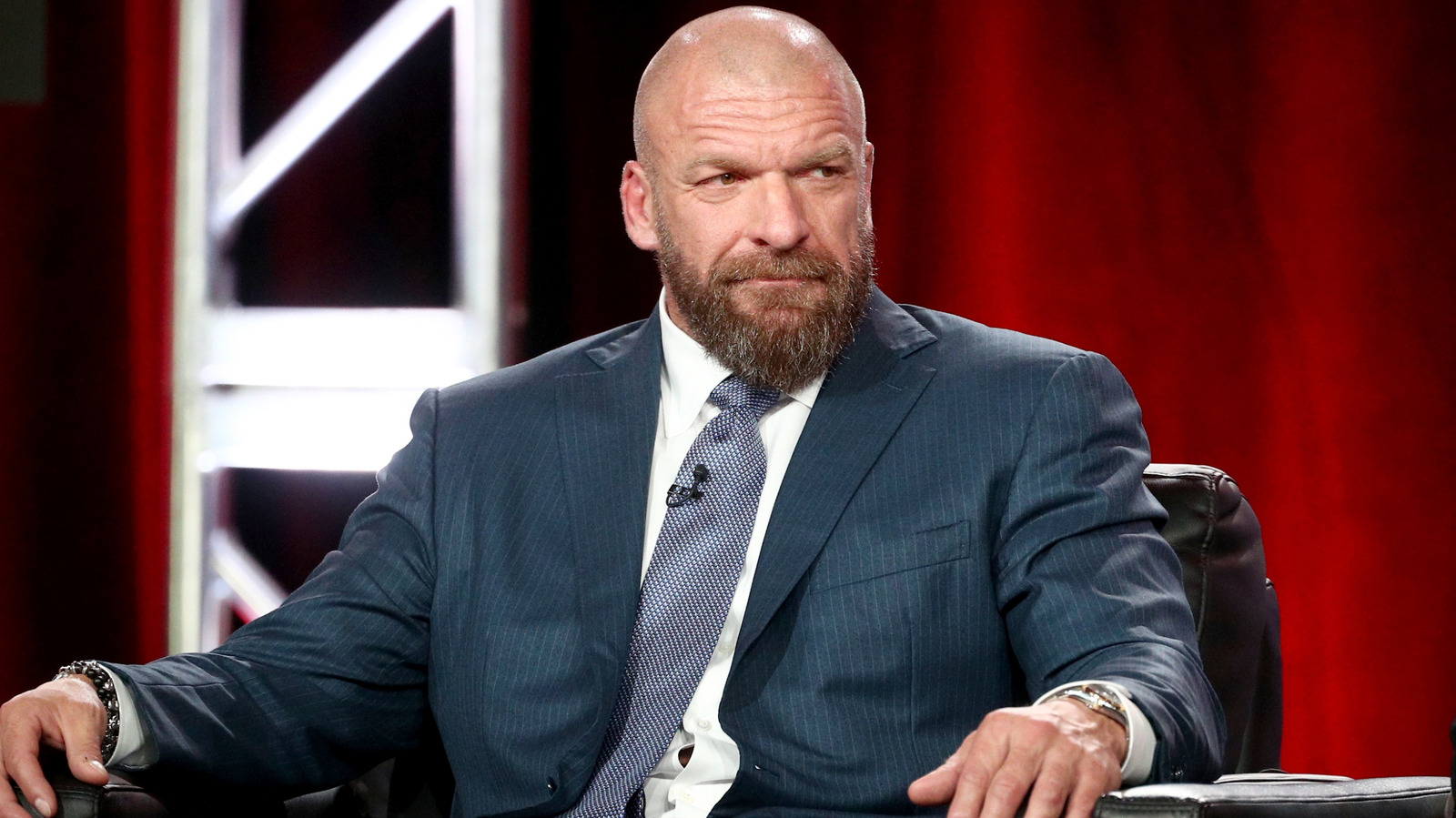
Triple H and his recruitment team are aggressively changing how the global wrestling business operates. They are no longer waiting for talent to become undeniable stars before making an offer. They are buying the foundation out from under the independent scene.
The ID system was originally pitched as a helpful developmental pipeline. It was sold as a way to monitor talent without immediately pulling them down to Florida. On paper, it sounds great for a young kid working Friday nights in front of 200 people.
They get access to world-class medical advice, training guidelines, and a clear path to NXT. The reality is far more restrictive and controlling for the talent involved. When a wrestler signs an ID contract, WWE essentially places a soft hold on their entire career.
They can still take independent bookings, but their availability is suddenly dictated by Stamford. If WWE needs them for a dark match or an extra spot on SmackDown, their local promoter is totally out of luck. The talent gets a foot in the door, but the local scene loses its reliability entirely.
This is a major shift from how the business operated just a decade ago. Previously, a wrestler would spend years building their name value, traveling globally, and negotiating from a position of power. Now, the power dynamic is heavily skewed towards the corporation from day one.
The talent is often just grateful to have the corporate logo next to their name on social media. They sacrifice long-term building for short-term recognition. It is a trade-off that rarely works out in their favor.
The Illusion of Independence
We are watching the slow death of true independent professional wrestling. For decades, promotions like Ring of Honor, PWG, and GCW operated as wild west territories where stars were born organically. Fans packed American Legion halls to see guys bleed, break tables, and work 30-minute classics.
Those days are rapidly fading into nostalgia and blurry YouTube compilations. Now, any worker who gains a shred of momentum is immediately scooped up by WWE or AEW. The WWE ID program accelerates this process terrifyingly.
By targeting talent earlier in their careers, WWE prevents these performers from ever establishing their own brand value outside the corporate bubble. It is a brilliant business strategy for Endeavor, maximizing control and minimizing outside bargaining power. But it absolutely sucks for the fan who wants to see raw, unfiltered wrestling.
The independent scene is turning into a sanitized waiting room. The matches mean less because the ultimate goal is just a tryout evaluation. When a wrestler hits a top-rope Canadian Destroyer into a package piledriver on a local show, they aren't doing it to win a regional title.
They are doing it to get a 15-second clip on Twitter so Shawn Michaels might notice them. The passion is being replaced by a sterile audition process. Instead of focusing on crowd psychology and storytelling, young wrestlers are hyper-focused on hitting GIF-able moments.
The Booking Problem for Regional Promoters
Local promoters are getting absolutely screwed by this new arrangement. Think about a guy running a medium-sized company in the Midwest. He spends six months building up a homegrown babyface.
He invests thousands of dollars into local advertising, custom merchandise, and high-quality video production. Just when the guy is ready to draw money as the champion, WWE swoops in with an ID deal. What is the promoter actually supposed to do?
They cannot stop the talent from taking the opportunity. If they push back, they get blacklisted by the talent pool. If they comply, they lose their main event star and have to start from scratch.
This is exactly why we are seeing fewer breakout independent companies right now. It is financially impossible to build a long-term narrative when your roster is being poached monthly. Look at the recent card from Defy Wrestling in Seattle.
They had to pivot their entire main event scene because two of their top guys signed exclusive deals elsewhere. The promoter is left holding the bag while the massive corporation reaps the benefits of their hard work. It is an abusive relationship dressed up as a partnership.
Promoters are essentially running free developmental territories for a billion-dollar conglomerate. They take on all the financial risk, pay for the venues, handle the insurance, and deal with the temperamental athletic commissions. Meanwhile, WWE sits back, reviews the footage, and cherry-picks the best performers without reimbursing the promoter a single dime.
A Critical Flaw in the Pipeline
This brings up my biggest issue with the current WWE regime. They are hoarding talent without a clear plan on how to use them. The Performance Center is packed to the brim.
NXT television time is strictly limited to two hours a week. Signing a dozen indie guys to ID deals in February 2026 looks great on a quarterly earnings spreadsheet, but where do they actually go? Most of them will sit in catering.
We saw this exact same hoarding strategy under Vince McMahon from 2016 to 2019. WWE signed everyone just to keep them away from New Japan and the early days of AEW. The result was a bloated roster full of frustrated performers.
NXT UK was practically built as a holding pen to kill the British independent scene. It worked flawlessly, and the UK scene still hasn't recovered a decade later. History is repeating itself, just with better PR and a cooler soundtrack.
Triple H smiles in photos with these young kids, pointing at them in front of a giant logo. But a photo op does not guarantee television time. I watched a kid work his ass off in a 40-minute iron man match last year, hitting a springboard 450 splash that blew the roof off the building.
He signed an ID deal shortly after. He hasn't wrestled on television once. There is only so much room at the top.
You cannot have 150 wrestlers all competing for the same mid-card title. Eventually, the bubble bursts. We are going to see massive waves of releases in a few years when management realizes they are paying salaries to people who never make it past the Florida house show loop.
The Financial Reality
Let's talk about the actual money involved. These ID deals are not life-changing, million-dollar contracts. They are essentially low-tier retainers.
The talent still has to hustle on the weekends, sell t-shirts out of the trunks of their cars, and work side jobs to pay rent. They take all the physical risks in unregulated rings while WWE holds their exclusive media rights for pennies on the dollar. If a wrestler blows out their knee in a high school gym in New Jersey while under an ID contract, what happens?
Does WWE cover the full reconstructive surgery and the grueling year of physical therapy? The details on these contracts are notoriously murky and heavily tilted in favor of the corporation. The lack of transparency benefits the multibillion-dollar company, not the guy taking flat-back bumps on a piece of plywood covered by a thin mat.
This is where mainstream wrestling journalism completely fails the fans. Reporters act as unpaid PR mouthpieces, simply copying and pasting corporate press releases.
"REPORT: WWE Signs Several Indie Wrestlers To ID Deals Following February Tryouts"
Cool headline. What are the actual terms? What is the downside?
Nobody asks the hard questions because they are terrified of losing their media credential and their free tickets to SummerSlam. The financial exploitation is glaring.
A kid signs the deal, gets injured working an indie show for 150 bucks, and suddenly finds out his contract can be frozen or terminated due to inability to perform. The safety net they thought they had disappears instantly.
The Homogenization of Style
Another tragic side effect of this system is the death of unique wrestling styles. When a worker enters the WWE system, they are systematically retrained to work the standard television style. They learn to look at the hard cam, slow down their pace, and hit their specific spots during commercial breaks.
It's safe, it's highly predictable, and it's incredibly boring to watch on a weekly basis. The indie scene used to be a vibrant clash of styles. You had brutal British catch wrestling mixing with high-flying Mexican lucha libre and hard-hitting Japanese strong style.
Now, everyone is working the exact same hybrid style, desperately trying to impress the coaches at the Performance Center. The creativity is completely gone. Every match looks like a slightly sloppier version of an NXT main event.
Take a move like the Spanish Fly. Ten years ago, seeing that move live was a religious experience that brought fans to their feet. Now, it's a throwaway transition spot in a mid-card match because everyone learned the exact same sequence at the exact same training school.
The homogenization of professional wrestling is a direct result of WWE monopolizing the talent pool at the developmental level. We are losing the weirdness that makes wrestling fun.
Everything is too polished, too slick, and too heavily produced. The gritty, unpredictable nature of a great independent show cannot be replicated in a heavily lit television studio with a producer screaming in the referee's ear. We are trading art for content.
The AEW Factor
We also have to talk about Tony Khan and his role in this mess. AEW is supposed to be the rebel alternative, but they are playing the exact same corporate game. They just have a much messier locker room.
When WWE signs an indie standout, AEW immediately counters by signing three guys they don't even need. It is an arms race, and the independent promotions are collateral damage. Tony Khan will constantly praise the indies in media scrums, talking endlessly about how much he loves the history of the sport.
Then he casually pulls his contracted talent from a local show because he needs them to do a pointless run-in on Rampage. It is completely hypocritical. Both major companies view the indies as a resource to be aggressively extracted, not a community to be supported.
The young talent is caught right in the middle of this billionaire ego trip. They are pressured to pick a side in a corporate cold war before they even know who they are as performers. A 22-year-old kid with a decent dropkick shouldn't have to navigate aggressive contract tampering.
They should be focusing on learning how to call a match in the ring and connect with a live crowd. The result is a fractured community where fans are forced to choose tribal loyalties instead of just enjoying good wrestling.
The toxic discourse online mirrors the aggressive business tactics behind the scenes. It creates a hostile environment for everyone involved, pushing casual fans away from the product entirely.
What Does the Future Hold?
I don't see this ending well for the grass-roots level of the industry. The ID program is only going to expand rapidly over the next five years.
WWE will likely set up regional hubs across the country, further encroaching on local territories. They will partner with specific, hand-picked training schools, creating a closed loop where outside talent has almost zero chance of breaking in. We are moving toward a sanitized, highly corporate version of professional wrestling.
The grit, the real danger, and the wild unpredictability that made the independent circuit so intoxicating are being systematically removed. The product on television might look cleaner, the production values might be much higher, but the soul of the business is being completely hollowed out. When we look back at the February tryouts of 2026, we won't see it as a class of future legends.
We will see it as another heavy nail in the coffin of independent wrestling. The system is rigged, the promoters are screwed, and the fans are left cheering for a corporate logo instead of a hungry athlete. The game is over, and the suits won decisively.
The saddest part is that nobody is trying to stop it. As reported by WrestlingNews.co, the signings keep rolling in without any pushback. The fans are too busy arguing on Twitter about ratings to notice the foundation crumbling beneath them.
Here is what happens next:
- More independent companies will fold under the financial strain of losing their top stars.
- WWE will monopolize the training pipeline through exclusive school partnerships.
- Talent payouts on the regional level will plummet as supply outstrips demand.
The wrestlers are too desperate for a paycheck to speak up. And the journalists are too afraid of losing their access to ask the hard questions. It is a perfect storm of apathy and greed.
To further understand this problem, we must look at the historical context. The wrestling industry has always been cyclical, but the current consolidation of power is entirely unprecedented. There is no historical equivalent to the level of control Endeavor and TKO group now exert over the market.
In the territorial days, a promoter could thrive by dominating a specific geographic region. If Vince McMahon Senior owned New York, Jim Crockett owned the Carolinas, and Sam Muchnick owned St. Louis, the talent could freely travel between these hubs. This constant movement kept the product fresh and gave wrestlers incredible negotiating power.
Today, there is no place left to travel. The territories have been replaced by two massive television conglomerates that demand absolute exclusivity. The illusion of a thriving independent scene is maintained only because WWE allows it to exist as a cheap scouting network. Once they have extracted the value they need, they will discard the rest of the structure without a second thought.
We are witnessing the final stages of a corporate takeover that has been decades in the making. The tragedy is not just that the independent scene is dying, but that it is actively participating in its own demise. Promoters eagerly hand over their best talent for a retweet and a pat on the back from a WWE executive.