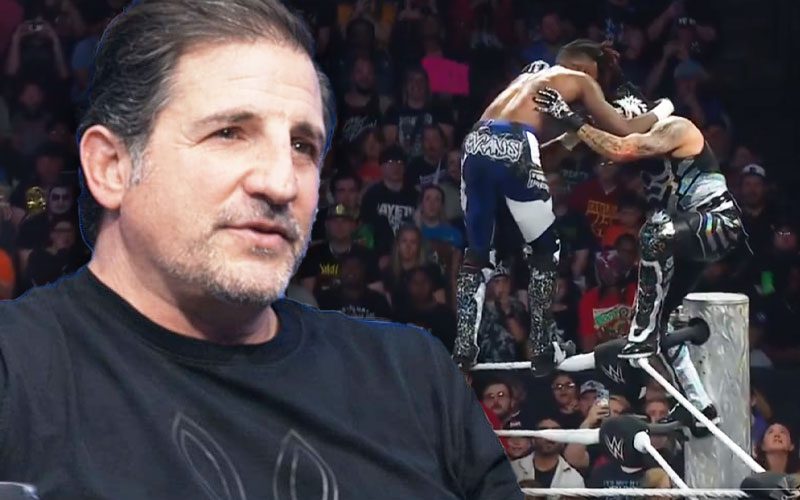
The physical toll of recent high-spot reliance
Professional wrestling is currently navigating a period of heightened injury frequency. The intensity of weekly programming, particularly during the road to major stadium events, has put immense pressure on the roster. When performers like Penta and Je’Von Evans engage in rapid-fire aerial sequences, the margin for error effectively vanishes entirely.
Critics, including veteran figures like Disco Inferno, have pointed to the dangers of high-velocity offensive exchanges that prioritize style over selling. As recently observed during WWE RAW, the tendency to chain high-impact moves without allowing for proper physical recovery creates scenarios where accidental contact lead to meaningful time on the injured list. The industry is currently contending with a spike in joint and ligament issues that suggest these work-rate demands are exceeding standard load-management guidelines.
Breakdown of current physical setbacks
While the company rarely discloses precise details, reports from the trainer's room indicate that several top-tier performers are currently nursing soft tissue injuries. These are almost exclusively attributed to the cumulative stress of repetitive impact. A standard schedule now involves travel across three continents per month, leaving little time for the prophylactic physical therapy necessary to mitigate long-term damage.
History provides a clear warning for the current leadership. In previous eras, companies that pushed a style heavy on move-exchange density suffered through significant roster turnover, eventually necessitating a change in production philosophy. When talent begins to view their health as secondary to the sequence, performance quality invariably dips as adrenaline takes the place of technique.
The strategic cost of benching top-tier stars
The absence of key individuals from programming directly correlates to a decrease in match quality during mid-show segments. Booking teams are forced to scramble, often relying on impromptu tag team matches or sudden gimmick bouts to fill television time. This reactive strategy frequently results in rushed storytelling and underdeveloped character arcs.
Competitors are not shielded from this reality. The physical demands of the industry remain a constant, and those who prioritize immediate viewer engagement over sustained athlete longevity eventually pay the most significant price. Management must decide whether to adjust television pacing to accommodate recovery cycles or continue to risk the availability of their biggest names.
Assessing the long-term impact on performer safety
The reliance on modern, high-impact sequences remains a flashpoint for debate among talent and producers. While fans demand faster transitions and more complex aerial maneuvers, the medical reality is that the body cannot reconcile that output with a 52-week-a-year television cycle. This is the primary reason for the current influx of recovery-focused training programs implemented at the Performance Center.
It remains evident that the current velocity of in-ring action requires a commensurate shift in recovery resources. If the company fails to prioritize these protocols, the revolving door of injuries will continue to limit their ability to build sustained narrative momentum. Talent consistency is the engine of professional wrestling; without it, the weekly product drifts into a series of disconnected vignettes.
A critical observation regarding the current approach is the lack of institutional patience. Rather than protecting talent during the initial stages of a minor strain, creative teams frequently force accelerated returns to ensure a star appearance on mid-card billing. This is a short-sighted approach, as minor issues left unmanaged often evolve into long-term absences that disrupt entire calendar quarters.
Historical context of injury management
Modern medical professionals note that current injury rates are significantly higher than those seen during the mid-2010s. The shift toward a more athletic, high-rep style has moved the primary injury trigger from singular collision events to repetitive micro-trauma. This is a fundamental change in the wear-and-tear profile of the average professional wrestler today.
Historically, the companies that thrive are those that successfully balance spectacle with restraint. When the balance tilts too far toward the former, the risk of losing marquee talent during crucial television windows increases exponentially. Looking at the upcoming summer schedule, maintaining roster depth is not merely a preference—it is a requirement for surviving the next cycle of pay-per-view events.