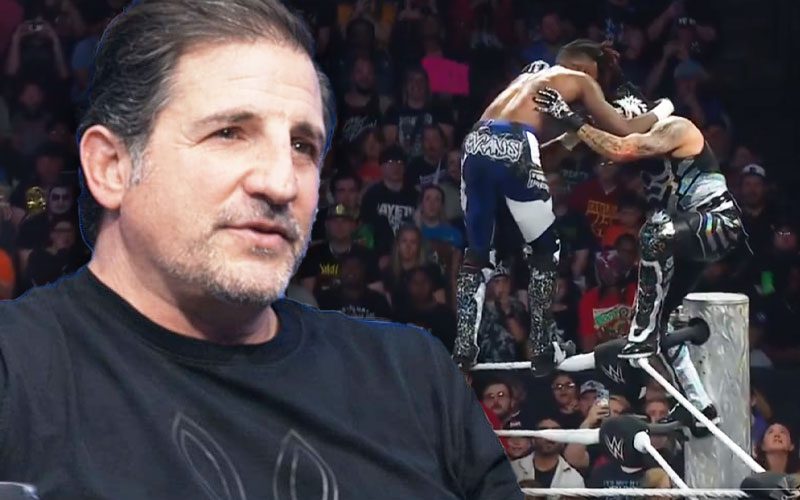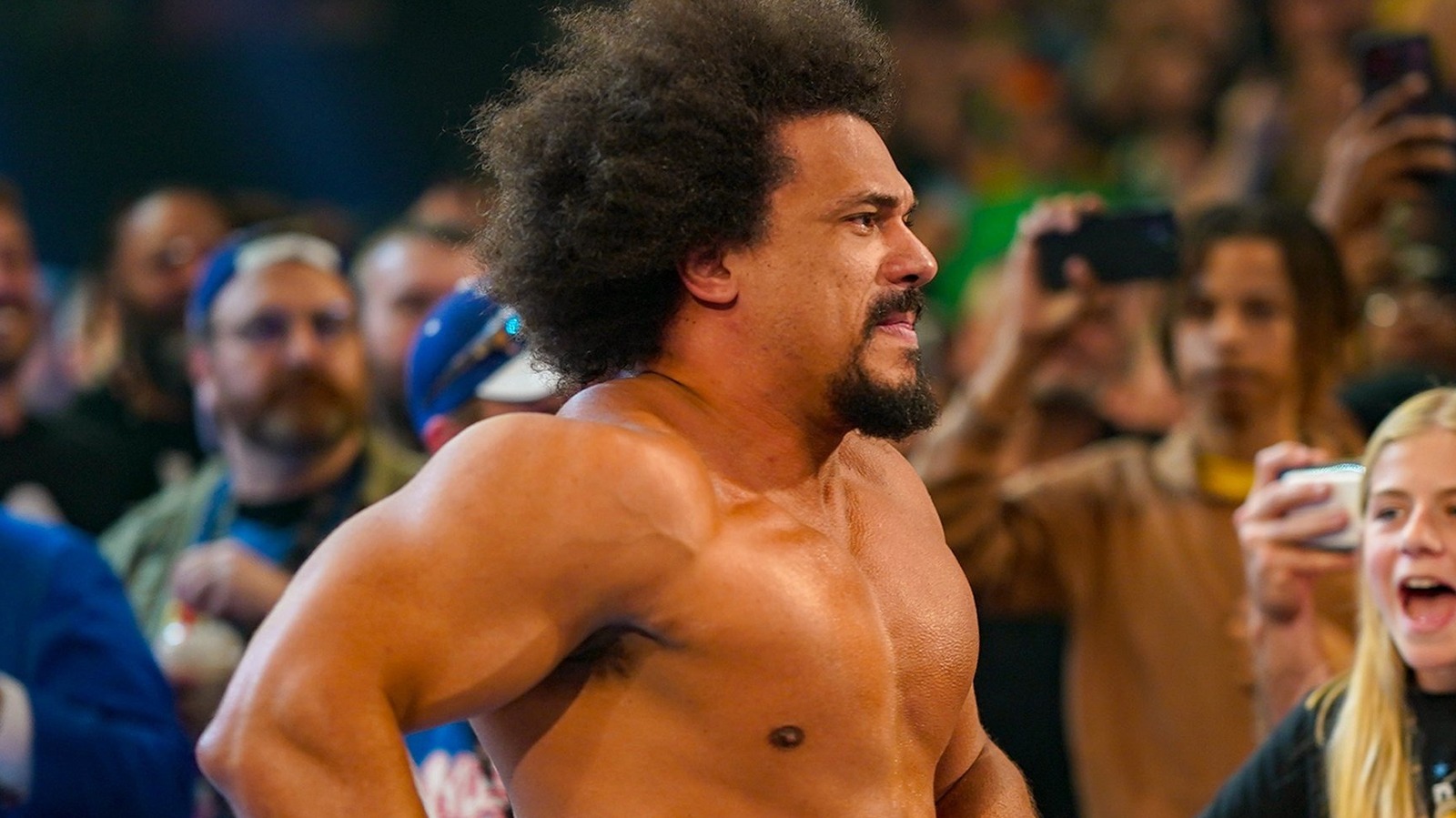
Tournament fatigue hits WWE's top stars
WWE is currently midway through the 2026 King and Queen of the Ring tournaments. Following recent high-stakes action at events in Paris and subsequent tapings, the physical toll is mounting. As recent reports confirm, the semifinal fields are filling up, but the medical staff is working overtime to prevent serious injury as the schedule intensifies.
We are watching a classic case of tournament-induced attrition. Wrestlers are working high-intensity sequences, such as Je’Von Evans' recent hard-hitting bouts, to sustain momentum. The quick turnaround between television tapings and international live events leaves little room for recovery.
The cost of high-flying styles
Je’Von Evans has become a focal point of the current RAW cycle, but his reliance on explosive, high-impact maneuvers puts his joints at constant risk. In a recent breakdown of his favorite in-ring performances since his 2026 main roster debut, the Young OG emphasized the adrenaline of the crowd. However, management must balance his popularity with smart booking.
Reports emerging from the latest rounds of King and Queen of the Ring matches suggest that several performers are nursing minor knocks. Soft-tissue issues, particularly in the lower back and knees, have increased in frequency during this sprint on the road. The constant travel between Paris and the domestic U.S. circuit is not helping recovery times.
The booking oversight
The decision to hold major tournament qualifiers in four-way bouts significantly increases the risk factor. With four performers in the ring simultaneously, the margin for error during high-spots is razor-thin. When wrestlers like Liv Morgan or Sol Ruca land awkwardly, the risk of a ligament tear or concussion spikes compared to a traditional singles match.
We saw the fallout from similar high-volume scheduling in previous years where fatigue led directly to sidelined talent. The current creative team seems to be pushing for intensity, but the recurring spoilers and results circulating show a heavy reliance on the same core group of names. Overworking the top-tier talent in these tournament formats exposes the roster to avoidable setbacks.
Looking forward
The upcoming SmackDown tapings feature crucial match stipulations revealed by Gunther, which will likely add further strain to an already taxed roster. If a performer sustains even a grade-one sprain during these closing rounds, they could be looking at a recovery timeline of 4 to 6 weeks of missed television time.
Historical data indicates that tournament winners often struggle with residual injuries in the weeks following their coronation. The physical reality of winning four consecutive matches against high-caliber opponents at peak intensity is rarely accounted for in the scripted narrative. WWE's medical team must prioritize active recovery protocols to ensure that these qualifiers do not result in a post-tournament injury purge.
The fans want high-speed, technical action, but consistent, long-term booking requires managing the biological ceiling of the performers. If the creative direction continues to force high-frequency matches as the default standard for these tournaments, we should expect a string of short-term injury announcements on the injury report by mid-July.